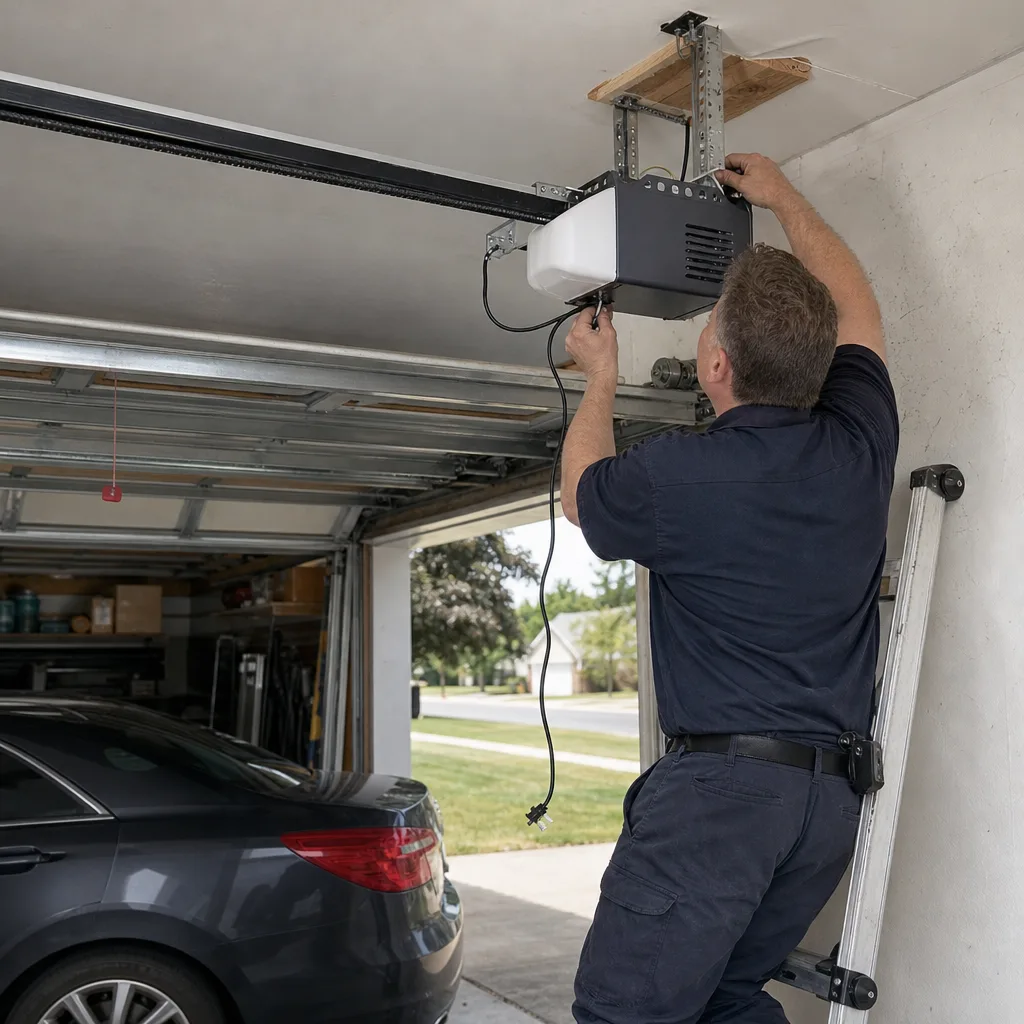
Last updated November 22, 2026
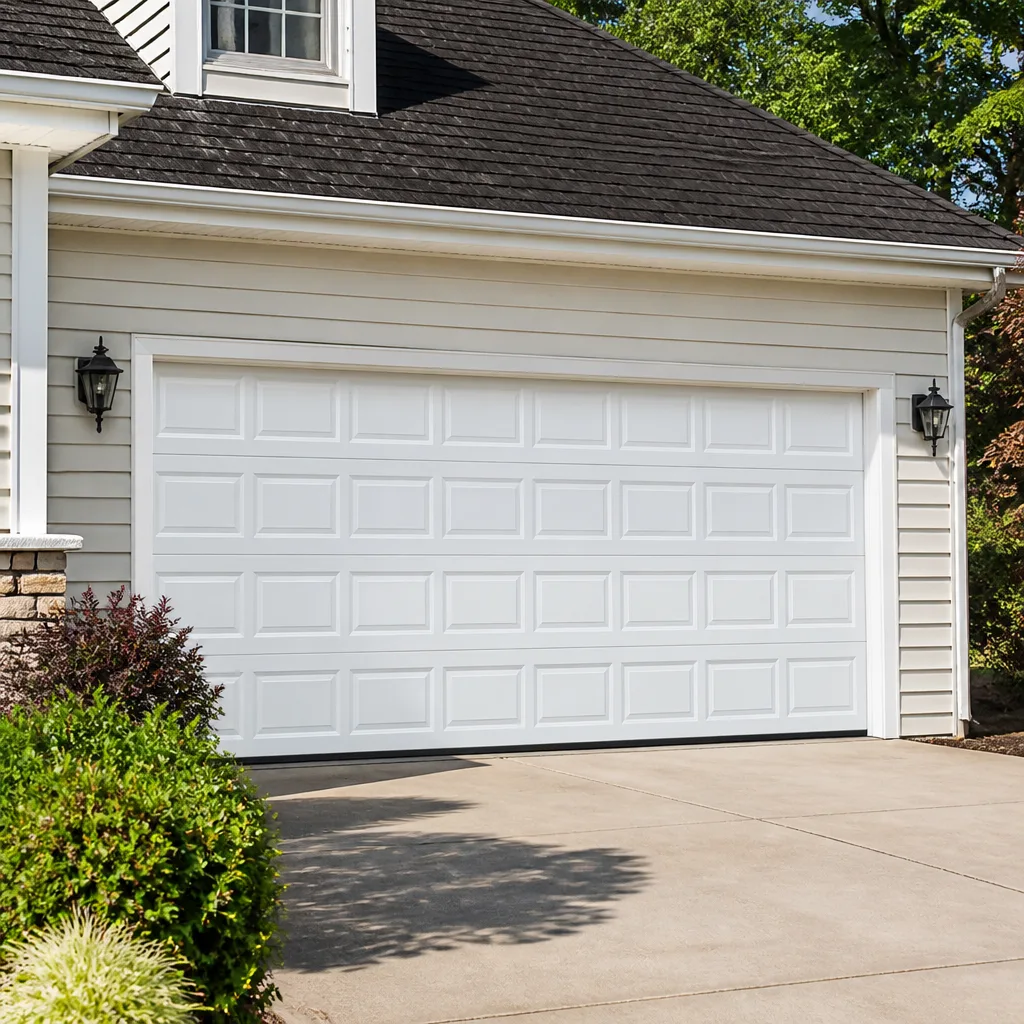 Raised-panel steel
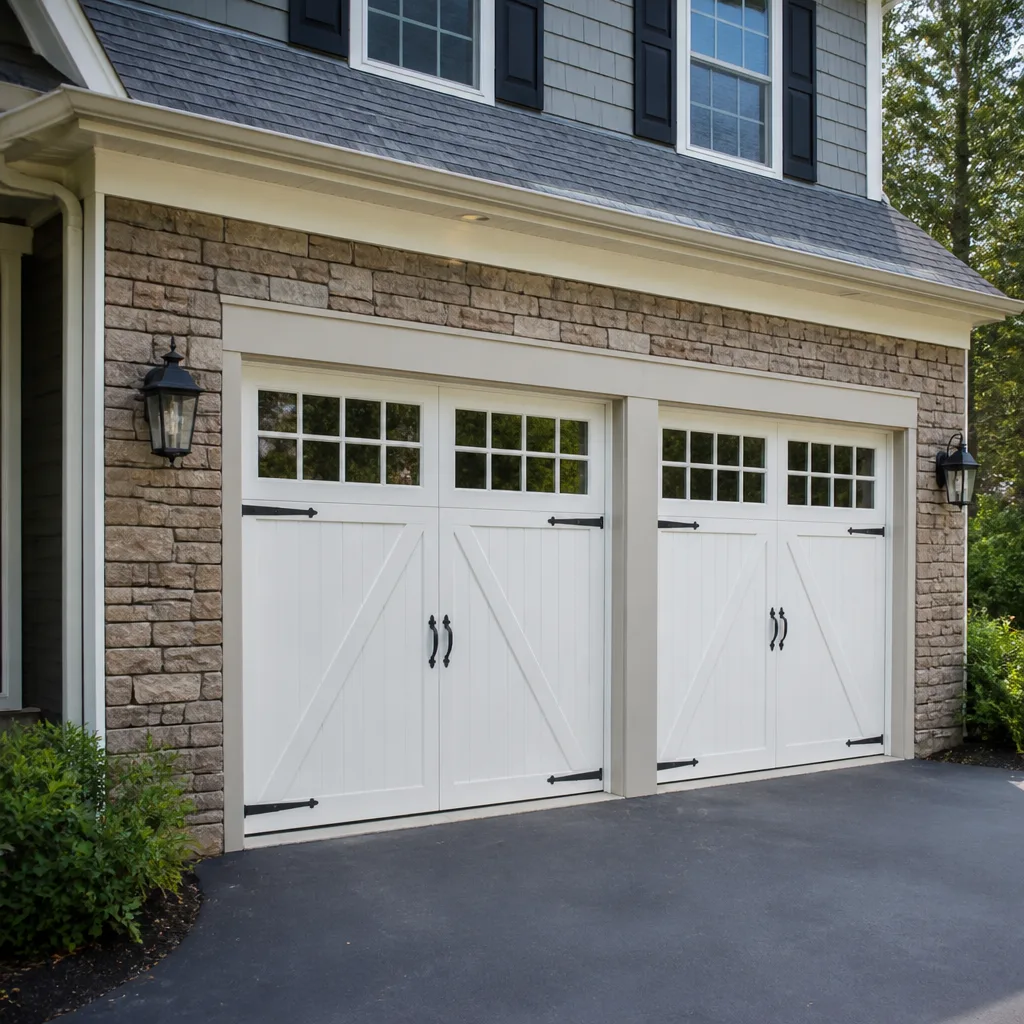 Carriage house
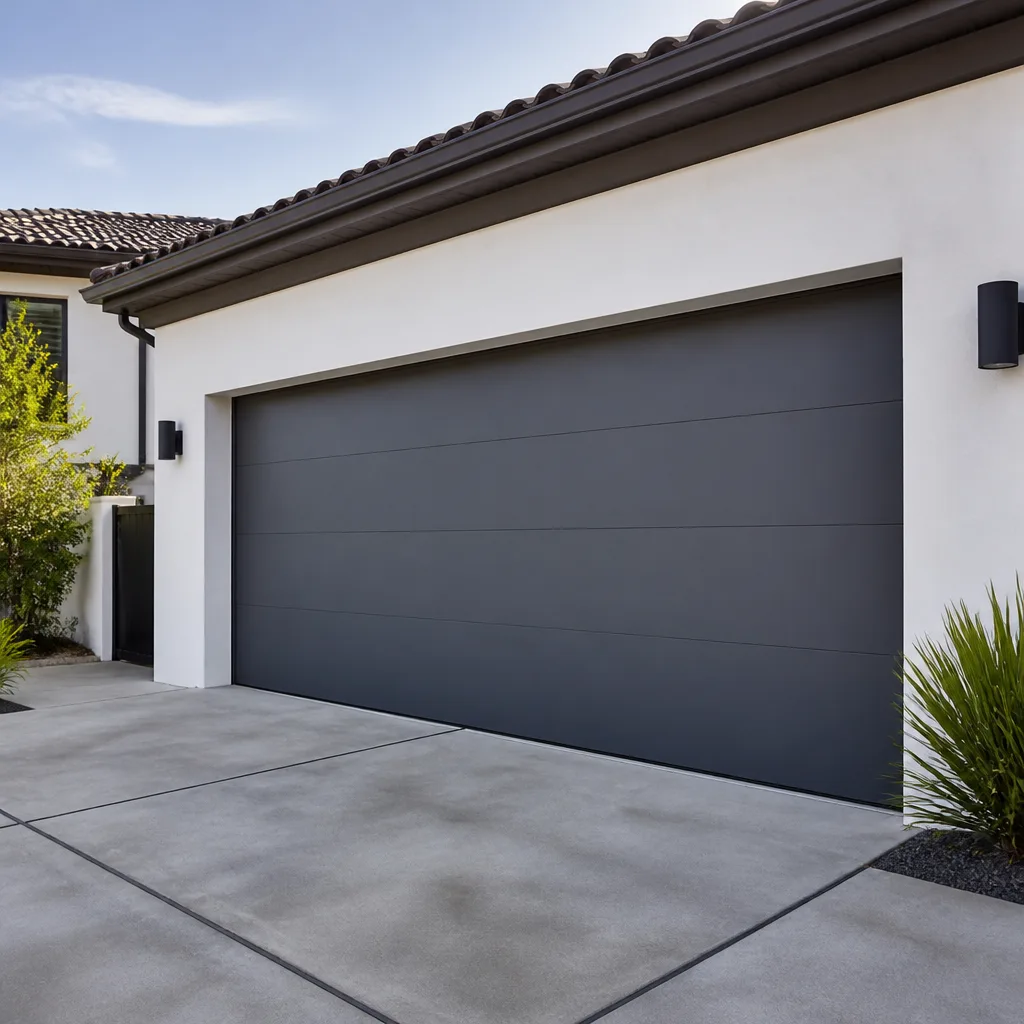 Modern flush
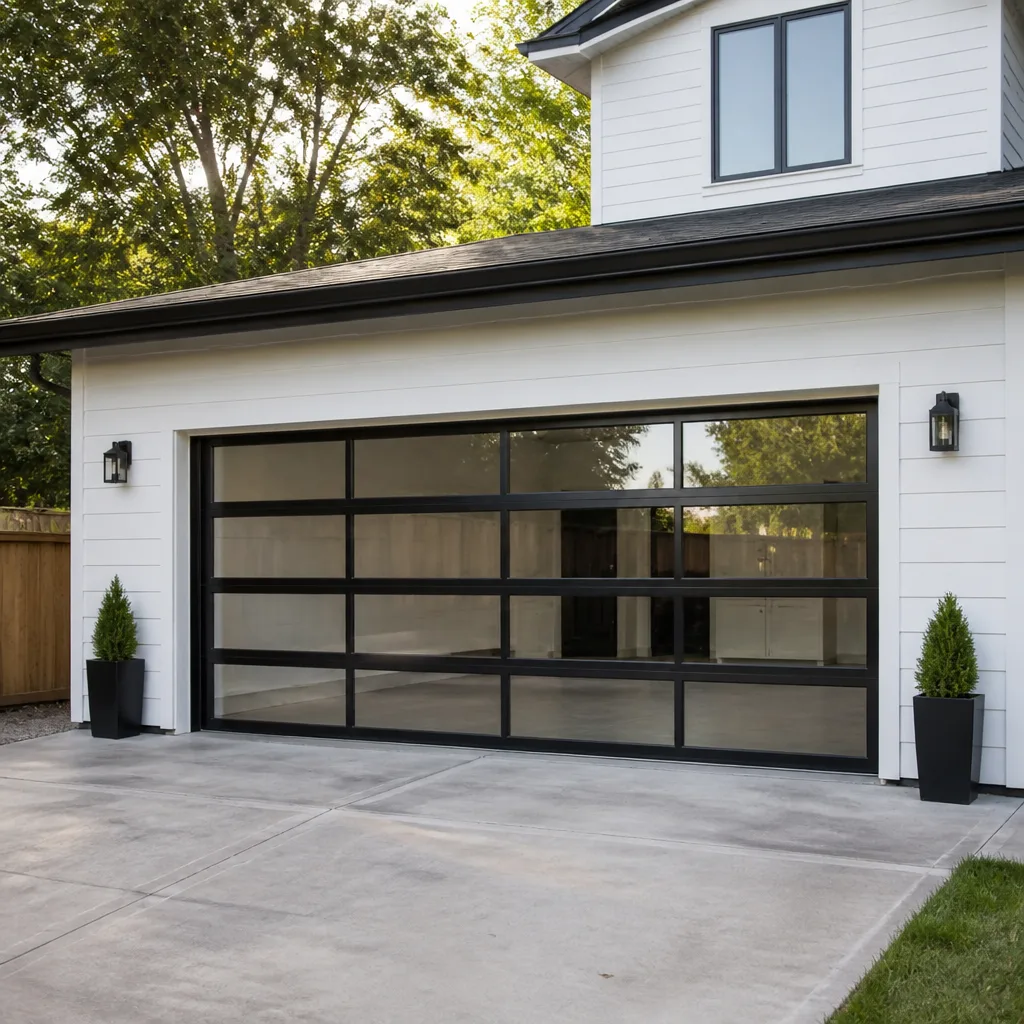 Full-view glass
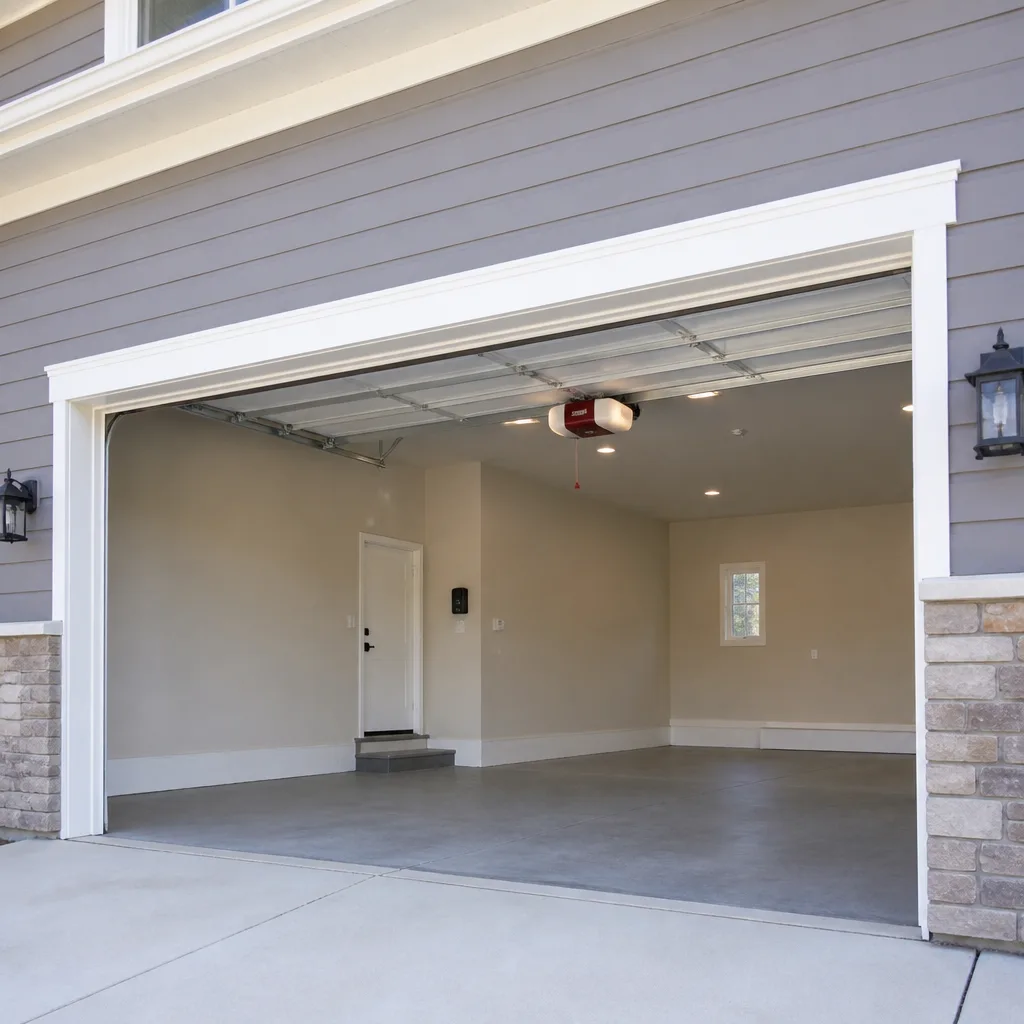 LiftMaster openers
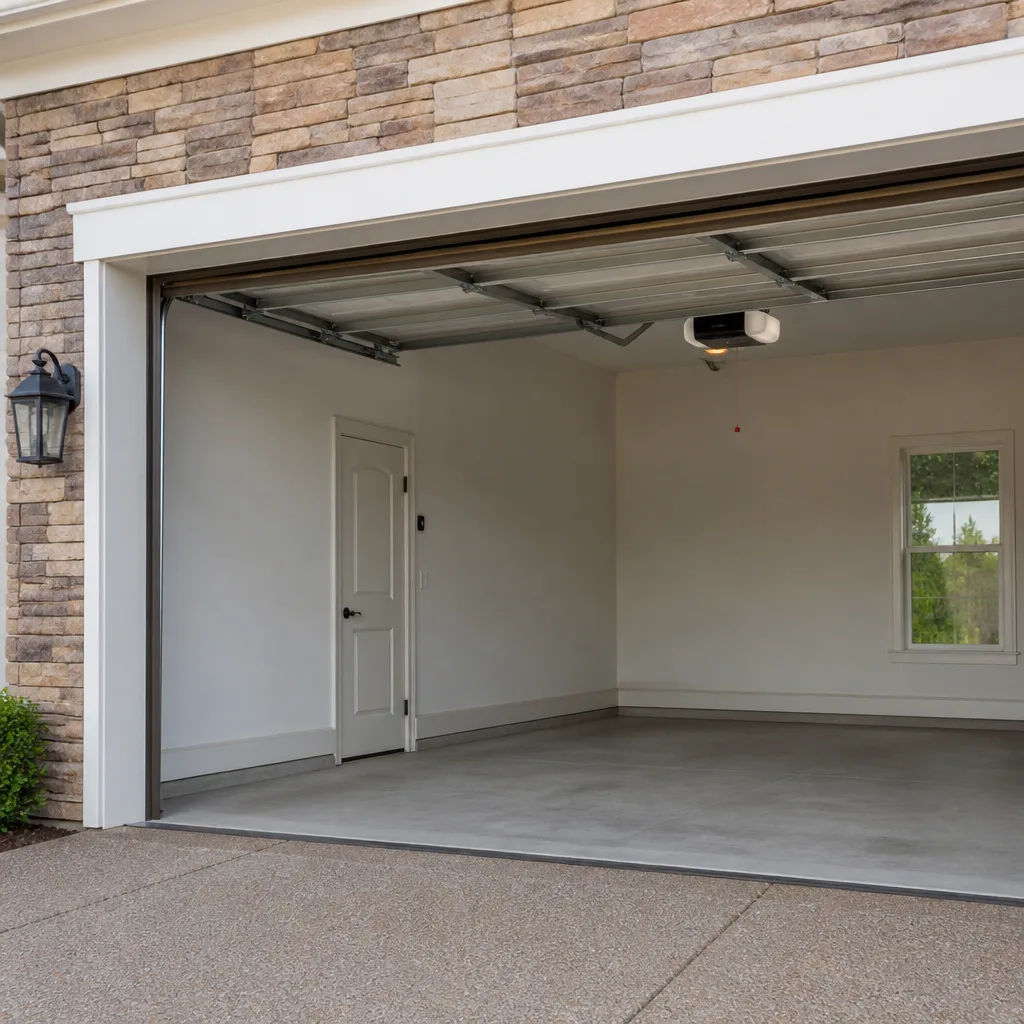 Chamberlain openers
Full 25-point door and opener safety check with every visit - springs, cables, rollers, tracks, and your LiftMaster or Chamberlain opener included
You get a price before we start. It does not change when the pro arrives.
Get your free estimateGarage Door Permits, Codes & Inspections in Burnsville, MN: What You Need to Know
If you replace a garage door and add or change the opener circuit, you may need both a building permit and an electrical permit in Burnsville – a detail most contractors never mention upfront. Here’s the part that surprises people: a garage door replacement is not always permit-free just because it’s “only a door.” The city cares about the opening, the attachment, the fire separation, and the electrical work that runs the opener. Skip the paperwork and the problem can surface years later, at a home sale or in an insurance claim, long after the installer’s truck has left. This guide walks through when Burnsville actually requires a permit for garage door work, what an inspector looks for, and how to pull the paperwork yourself. Our technicians have up to 9 years of experience, and we’ve watched how these rules play out in real Burnsville homes.
Quick Answer
In Burnsville, a like-for-like garage door replacement often needs a building permit, and any new or altered opener circuit needs an electrical permit. Repairs to an existing door – new springs, cables, rollers, or an opener swap on existing wiring – usually don’t. The safest move is to confirm the scope with the city’s building department before work starts, because the answer depends on whether you’re changing the structure, the fire-rated door, or the electrical supply.
Styles & brands we work with
- Raised-panel steel
- Carriage house
- Modern flush
- Full-view glass
- LiftMaster openers
- Chamberlain openers
Table of Contents
- When Does Burnsville Require a Permit for Garage Door Work?
- How Minnesota State Building Code Section R302 Applies to Attached Garages
- What an Inspection Actually Checks
- How Unpermitted Work Affects Insurance Claims and Home Sales
- How to Pull a Garage Door Permit in Burnsville
- Repair vs. Replacement: Where the Line Falls
- Common Mistakes to Avoid
- When to Call a Professional
When Does Burnsville Require a Permit for Garage Door Work?
Burnsville requires a permit when garage door work changes the structure of the opening, the fire separation between the garage and the house, or the electrical circuit that powers the opener. It generally does not require one for routine repairs to a door that’s already in place and up to code. The gap between those two situations is where most homeowners get tripped up, because “replace the door” and “replace the door and the opener” sound similar but fall on different sides of the permitting line in many cases.
Think of it in three buckets:
- Likely needs a building permit: full replacement of a garage door where the track, header attachment, or opening dimensions change; converting a manual door to an opener-equipped door; any change to the fire-rated door on an attached garage.
- Likely needs an electrical permit: adding a new opener circuit, moving an outlet to feed the opener, or installing a new dedicated circuit for a smart opener.
- Usually permit-free: replacing a broken torsion spring, cables, rollers, hinges, or panels on an existing door; swapping an opener on existing wiring at the same location.
This matters because Burnsville has a mix of housing stock – older rambler-style homes with original single-car garages, and newer builds with tall two-car openings and overhead doors sized for modern trucks. A door replacement on an older Burnsville home is more likely to involve changing the structure, because the original opening wasn’t built for a modern door’s weight or track geometry. When the opening itself changes, the permit question almost always answers itself.
If you’re not sure which bucket your job falls into, the city’s building department can tell you over the phone, and you don’t need a contractor to ask the question. Before any scheduled garage door repair that involves more than springs and hardware, it’s worth a two-minute call. If you’re weighing a full replacement, see how installation and repair differ in scope and paperwork.
How Minnesota State Building Code Section R302 Applies to Attached Garages
Minnesota State Building Code Section R302 governs fire separation between an attached garage and the living space, and it’s the single code section that most directly affects how a garage door project is reviewed. If your garage shares a wall or ceiling with the house, R302 requires a fire-rated separation – a specific assembly of wall, ceiling, and door materials that slows a fire from spreading from the garage into the home. The garage door itself is part of that separation when it’s on the house side of the structure, and its rating has to match what the code calls for in that location.
What R302 means in practice for a Burnsville homeowner:
- The door separating the garage from the house must carry the fire rating the code requires for that wall assembly, not just any door the installer happens to have.
- Changing to a door with a different label or rating is exactly the kind of change that triggers a permit review.
- The wall, ceiling, and any penetration (like a garage-to-house door) all have to hold up as one assembly. A new door in an old, degraded wall doesn’t satisfy the intent.
- Attached garages in Burnsville homes built in different decades may have different original separation details, so the code review is rarely a copy-paste from the neighbor’s house.
This is the section that makes garage door replacement more than a cosmetic job on an attached-garage home. It’s also the section that most clearly justifies pulling a permit: an inspector is the person who verifies the fire-rated door meets the assembly requirement, and that verification is what protects you if something goes wrong later. We work with door brands like Amarr and Wayne Dalton that publish fire-rating information for their models, and matching the right door to the code is the first step of a legitimate replacement. For the full picture of how we handle installations, see our new door installation service.
What an Inspection Actually Checks
An inspection is not a formality. It’s where the code book meets your actual garage, and it’s the step that catches problems the installer might have missed or skipped. In our experience across Burnsville homes, the items that fail most often are the ones that were already wrong before the new door went in – old framing that couldn’t carry the load, degraded fire separation, or a header that was never sized for the door being hung.
Here’s what an inspector typically looks at:
- Door rating and label: The door’s fire rating matches the assembly requirement in the garage’s location.
- Attachment and framing: The track and header are anchored into sound framing, not compromised by rot or insect damage.
- Clearances: The door travels without hitting anything, and the opening dimensions match what was permitted.
- Electrical connections: The opener circuit is properly grounded and protected, and the wiring is done to code.
- Safety features: The opener’s auto-reverse function and photo-eye safety sensors work as designed.
- Fire separation continuity: The garage-to-house wall, ceiling, and door assembly are intact as one unit under R302.
The items that most commonly fail on older Burnsville homes are the framing and the fire separation, not the door itself. Homes built decades ago often have header material that’s undersized by today’s standards, or a garage-to-house wall where a previous owner patched a hole with the wrong material. When the inspector flags those, the fix is usually carpentry and drywall, not the door – and that’s a good reason to find out before the door goes up rather than after. The opener side of the inspection is where our garage door opener repair work intersects with code, because the safety sensors and auto-reverse on the new opener have to pass. If the door fails for a spring or balance issue, our garage door spring repair work is what gets the door balanced and passing.
How Unpermitted Work Affects Insurance Claims and Home Sales
Unpermitted garage door work can create real complications for homeowner’s insurance claims and for Minnesota real estate disclosures – and the trouble usually surfaces at the worst possible time, years after the work was done. Insurance carriers care about whether structural and fire-separation work was done to code, because fire separation in an attached garage is one of the things that limits how far a fire spreads. If a claim arises and the carrier finds a replacement door that was never permitted, the claim can be contested on the grounds that the work didn’t meet code.
On the sale side, Minnesota sellers are generally responsible for disclosing known defects and material facts about the property. A garage door replacement that skipped a required permit can show up during a buyer’s inspection, and depending on how the local authority handles it, resolving the missing permit after the fact can mean a retroactive review, additional inspection, or in some cases opening the wall to verify the assembly. That’s the scenario the thesis of this guide is about: the cost of skipping the permit isn’t paid at installation, it’s paid at closing.
In our experience, the cheapest path is always the one that keeps the paperwork in order on the way in:
- Keep the permit number and the final inspection sign-off with your home records, alongside the door’s model and rating documentation.
- Ask the installer, in writing, whether the project requires a permit and who is pulling it.
- If you’re buying or selling in Burnsville, ask specifically whether the garage door replacement was permitted – it’s a question worth adding to the standard list.
None of this means a routine repair needs a paper trail. It means a structural or electrical replacement should leave one.
How to Pull a Garage Door Permit in Burnsville
Pulling a garage door permit in Burnsville means filing with the city’s building department, either through the city’s online portal or in person, and getting the approval and inspection scheduled before the work is closed up. The homeowner can pull the permit, and many contractors will do it for you as part of the job – but the responsibility for having it lands with the property owner either way. Typical turnaround depends on the scope and the city’s current workload, so the practical advice is to start the paperwork before you order the door, not after.
Here’s the sequence that keeps a Burnsville job on track:
- Confirm the scope with the city’s building department. Describe exactly what’s changing – the door, the opening, the opener circuit, or all three – and ask whether a building permit, an electrical permit, or both are required.
- File through the city’s online permit portal or in person. Submit the door specifications, the fire rating if the door is part of a rated assembly, and the electrical scope if a new circuit is involved.
- Wait for approval before installing. Ordering and scheduling can sometimes run in parallel, but installation starts only after the permit is issued.
- Schedule the inspection once the work is done. The inspector needs to see the assembly before it’s closed up, so timing matters.
- Keep the sign-off. Store the final inspection record with your home paperwork.
For a Burnsville job, the online portal is usually the fastest route for a straightforward residential permit, and the city’s building department can answer scope questions directly. If your project includes a new opener on a new circuit, plan for two permits and two review tracks. When in doubt, ask the city’s building department rather than guessing – the answer is free and the cost of guessing is not.
Repair vs. Replacement: Where the Line Falls
The line between repair and replacement matters because it determines whether a permit is likely in play. Repair keeps the existing structure and restores function; replacement changes the door, the opening, or the electrical supply in a way the city needs to see. Most garage door work in Burnsville falls on the repair side, and that’s the good news. The jobs that fall on the replacement side are the ones where the permit question needs to be asked out loud, up front.
A useful way to sort your own situation:
- Repair (usually no permit): broken torsion spring, snapped cable, worn rollers, bent hinge, opener that stopped responding, remote that won’t pair, door that’s off its track but straightens without structural change.
- Replacement (permit may apply): a new door in a new opening size, a door swap that changes the fire rating, converting a manual door to an opener, adding a new opener circuit, or replacing a door and opener together on an attached garage.
Springs deserve their own mention here because they’re the most dangerous component in the system and the most common repair. A broken torsion spring is a repair, not a replacement, and it doesn’t trigger a permit – but it does trigger a safety caution. High-tension springs and the cables that run with them store enough energy to cause serious injury, so spring work belongs with a trained technician, not a homeowner with a winding bar and a video. We treat spring repair as a core specialty for exactly that reason: springs are the highest-failure, highest-risk part, and getting them right the first time is the whole job. For the repair side of the ledger, our Burnsville Garage Door Repair Co team handles the full range, and for a clear breakdown of costs on the replacement side, the installation guide covers what affects the price.
Common Mistakes to Avoid
- Assuming a door replacement is always permit-free. On an attached-garage Burnsville home, changing the door or the opening can trigger a building permit, and adding an opener circuit adds an electrical permit. Ask the city before you buy the door.
- Pulling the electrical permit but not the building permit. Both reviews happen separately, and one does not cover the other. If the door and the circuit are both changing, plan for both filings.
- Installing before the permit is issued. Ordering can run in parallel, but installation shouldn’t start until the permit is in hand. An inspector can’t approve work that was buried behind drywall before they saw it.
- Skipping the fire-rating match on an attached garage. Under R302, the door separating the garage from the house has to meet the assembly rating. A cheaper door with the wrong label is a failed inspection.
- Not asking the seller for permit records when buying in Burnsville. A previous garage door replacement that skipped the permit can become your problem at closing. Add it to the inspection list.
- Letting the installer self-declare the scope. Get the permit question answered in writing, with the scope spelled out, so there’s no ambiguity about who is responsible for what.
- Treating springs and cables as DIY. The most common garage door injury is to a homeowner working on a high-tension spring or cable. That repair stays with a specialist, permit or no permit.
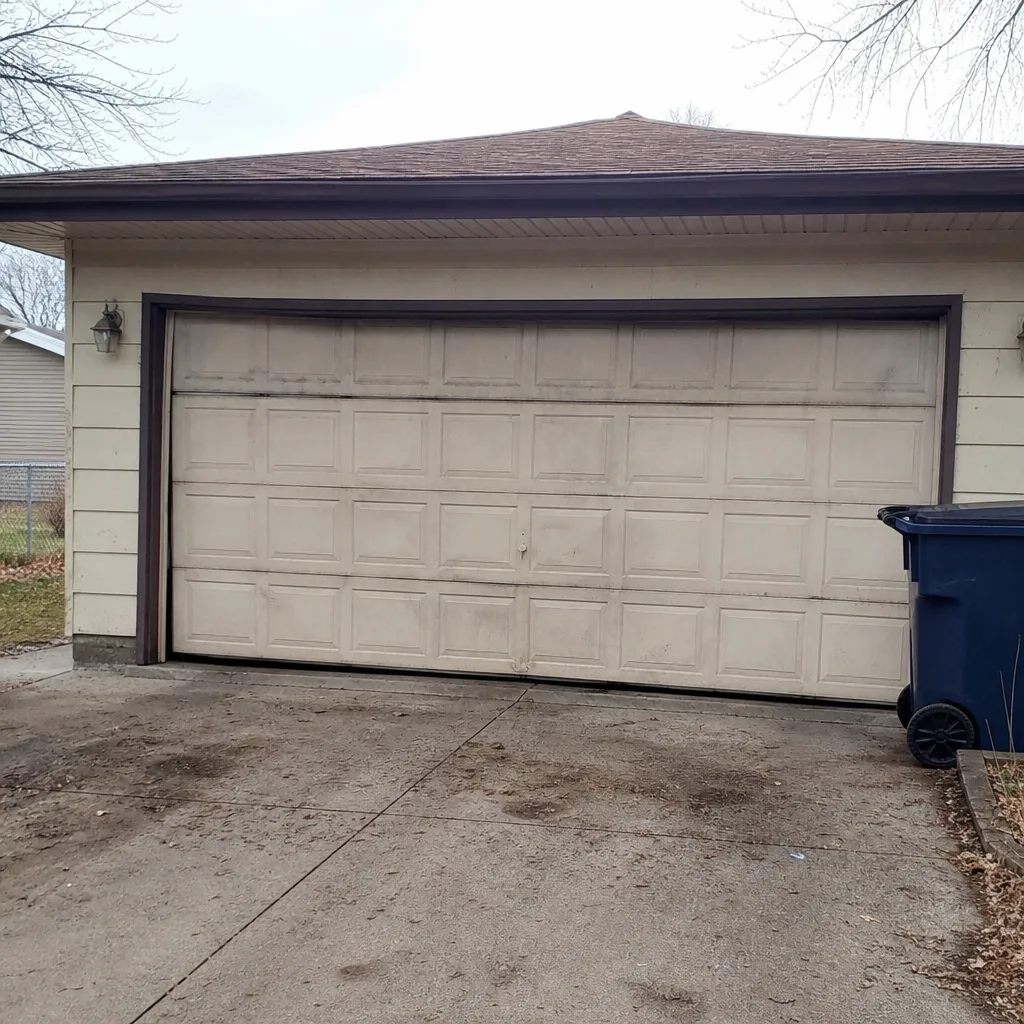
See the difference
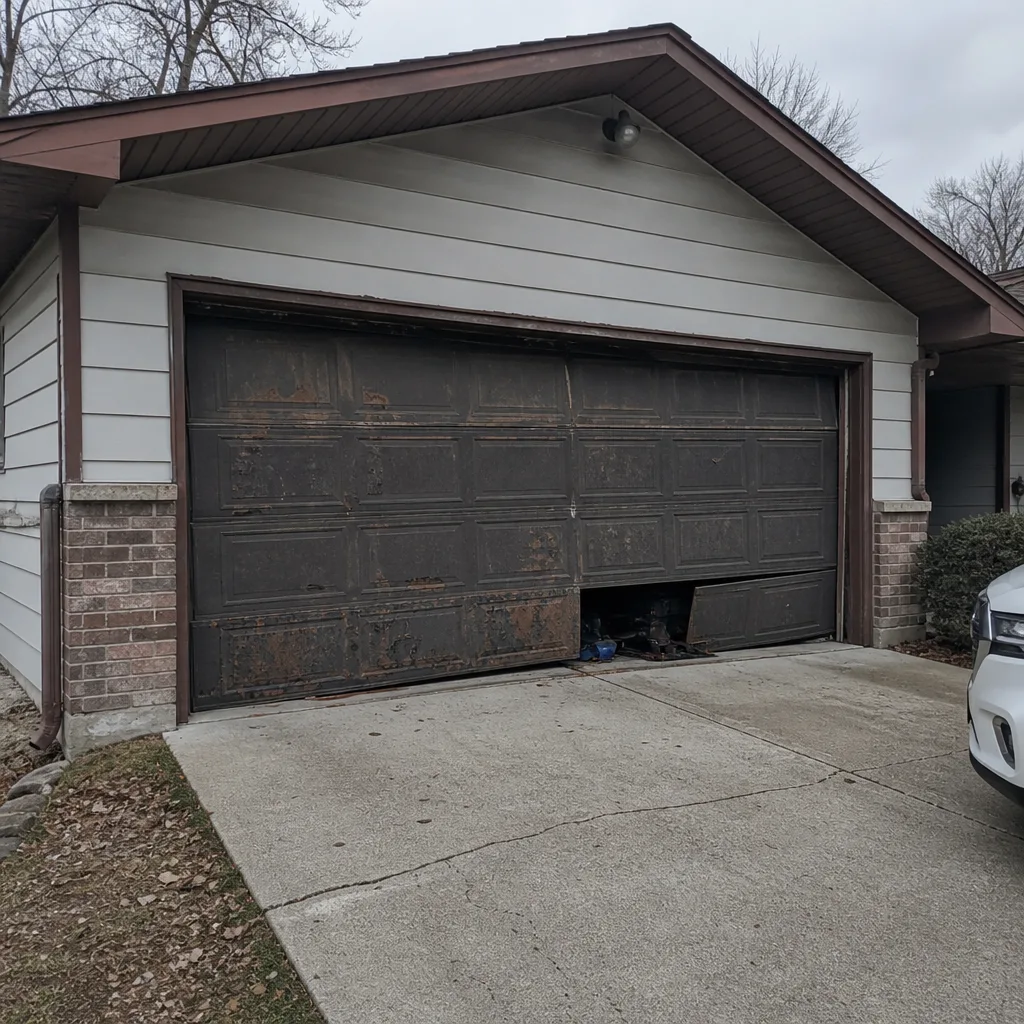 Before
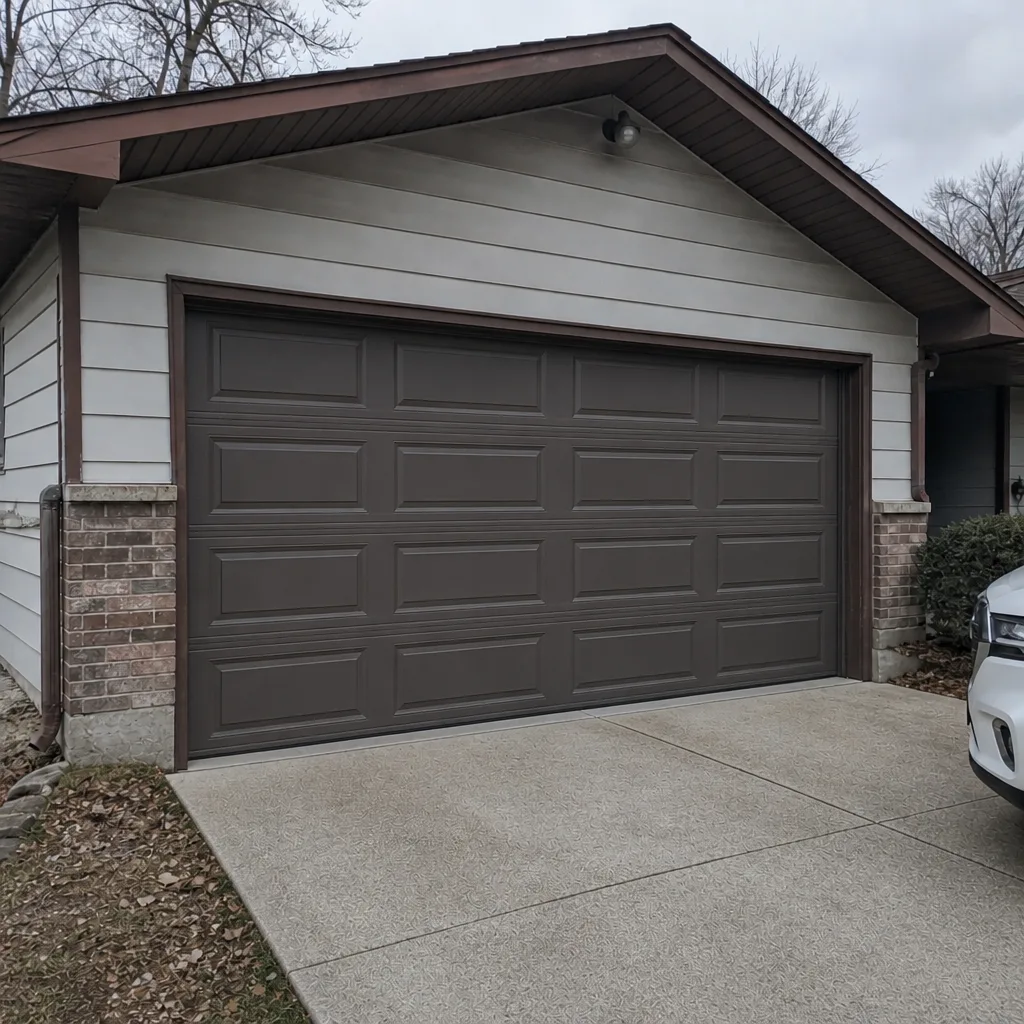 After
 Before
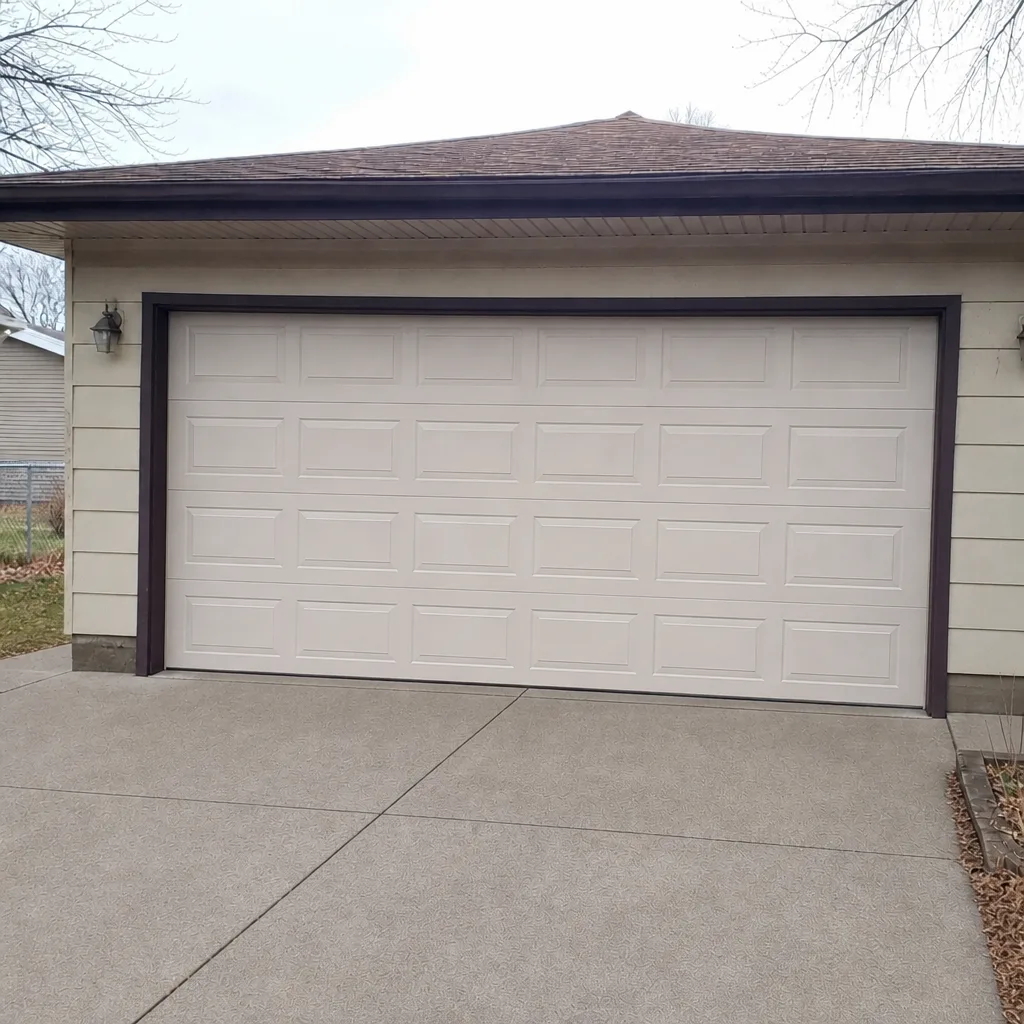 After
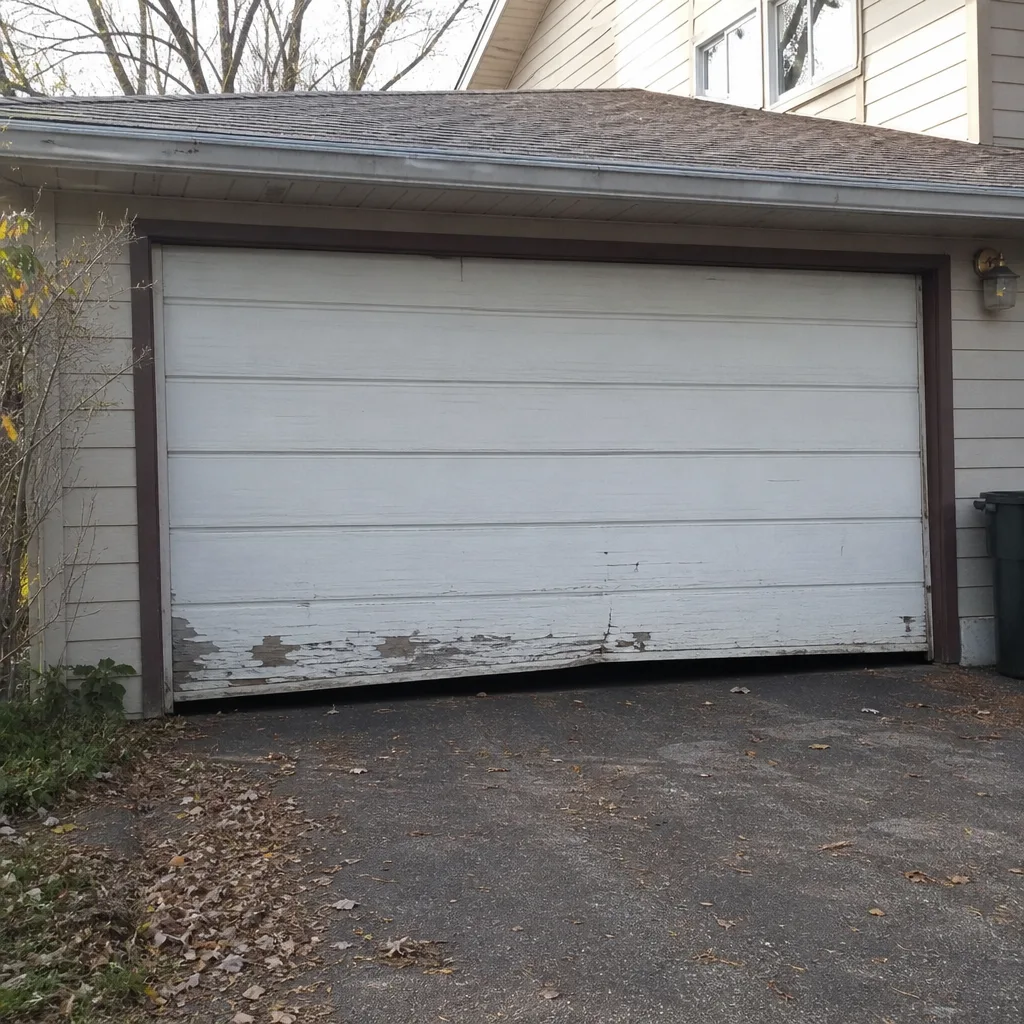 Before
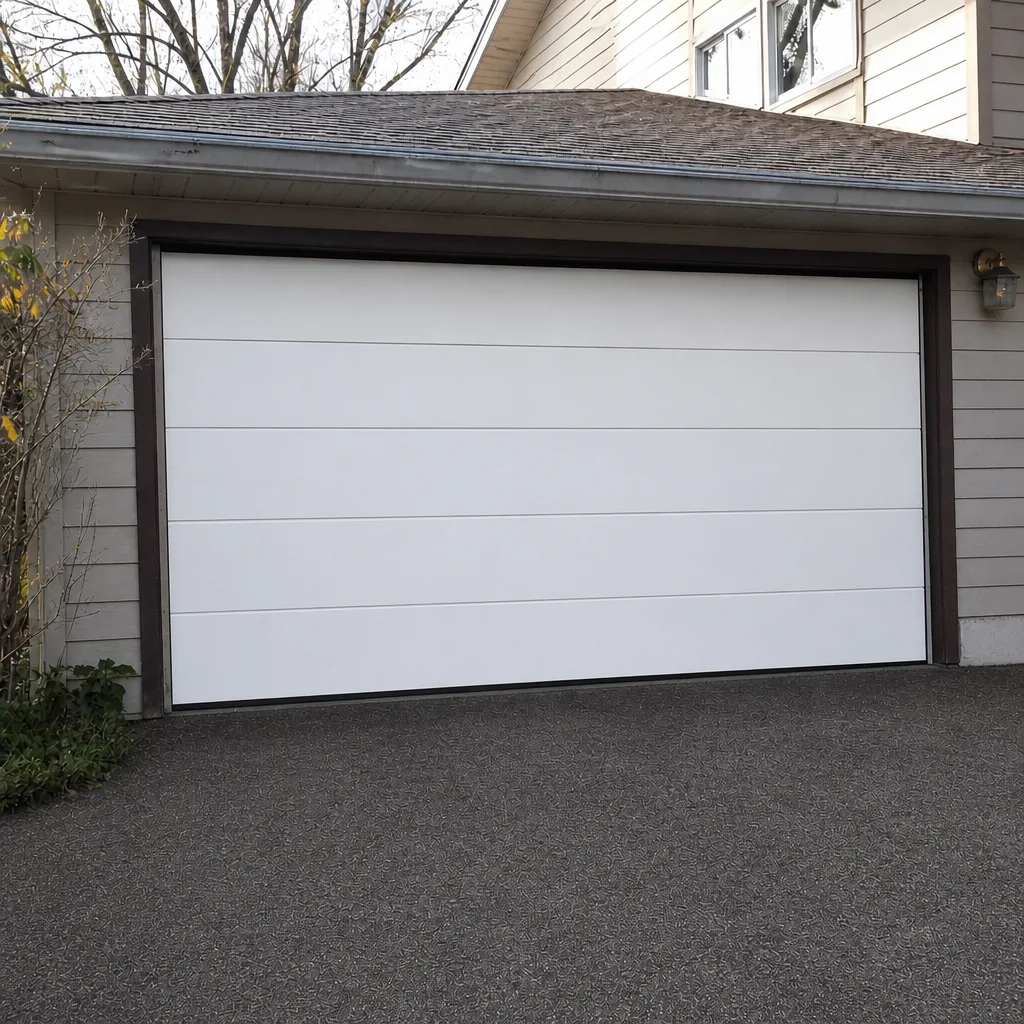 After
When to Call a Professional
Call a professional when the job involves a high-tension spring or cable, an opener that isn’t responding and can’t be diagnosed from the manual, a door that’s off track and won’t straighten, or any replacement that may carry a permit. Those situations have two things in common: the risk of injury or property damage is real, and the fix depends on knowing the specific door and opener system in your garage. We work on the brand you already have, from LiftMaster and Chamberlain openers to Clopay and Raynor doors, so the diagnosis starts from familiarity rather than a guessing game. Burnsville Garage Door Repair Co offers free estimates in Burnsville – call (855) 560-7429 and we’ll quote the job before any work starts.
Frequently Asked Questions
Often yes, especially on an attached-garage home where the door or opening changes, and yes for any new opener circuit. Repairing an existing door usually doesn’t require one. Confirm the exact scope with the city’s building department before work starts, because the answer turns on what’s changing, not just the word “replacement.” Call (855) 560-7429 for an exact quote on the work itself – estimates are free.
R302 requires a fire-rated separation between an attached garage and the living space, and the garage door can be part of that separation. The door has to carry the fire rating the code calls for in that location, and the wall, ceiling and any house-to-garage door have to hold up as one assembly. A door swap that changes the rating is exactly the kind of change that needs a permit.
Turnaround depends on the scope and the city’s workload, so it’s best to file before you order the door. Straightforward residential permits usually move faster than jobs with a structural change or a new electrical circuit. Ask the building department for the current timeline when you submit, and don’t schedule installation until the permit is issued.
Not if the scope was described accurately in the permit application and quoted upfront. Inspectors do sometimes flag pre-existing issues – framing, fire separation, or a wall assembly that was wrong before the new door went in – and those fixes are typically outside the original quote. We agree on the written price before any work starts, and if an inspection reveals something extra, we discuss it with you before touching it.
It can. Carriers care whether structural and fire-separation work met code, because that separation is what limits how far a garage fire spreads. A claim on a replacement door that was never permitted can be contested. On the sale side, Minnesota sellers are generally responsible for disclosing known facts about the property, so a missing permit can surface during a buyer’s inspection. Ask the city’s building department if you’re unsure.
The local pro we connect you with is licensed and insured as the state requires. Our technicians have up to 9 years of experience across the major door and opener brands, including Amarr, Wayne Dalton, Craftsman and Raynor. If your job needs a permit, we’ll tell you upfront and work with the city’s process. Call (855) 560-7429 for a free estimate.
The Bottom Line
The permit question is easy to get wrong and expensive to fix later. In Burnsville, a like-for-like door repair usually needs nothing, a door replacement often needs a building permit, and any new opener circuit needs an electrical permit. Minnesota’s R302 fire-separation rule is the reason a door swap on an attached garage gets reviewed at all, and it’s the item most likely to fail on older Burnsville homes. Pull the paperwork before you order the door, keep the inspection sign-off with your home records, and never take on a spring or cable yourself. If you’d rather leave the diagnosis and the code questions to a specialist, call us at (855) 560-7429 for a free estimate.
Written by the team at Burnsville Garage Door Repair Co.