Last updated November 22, 2026
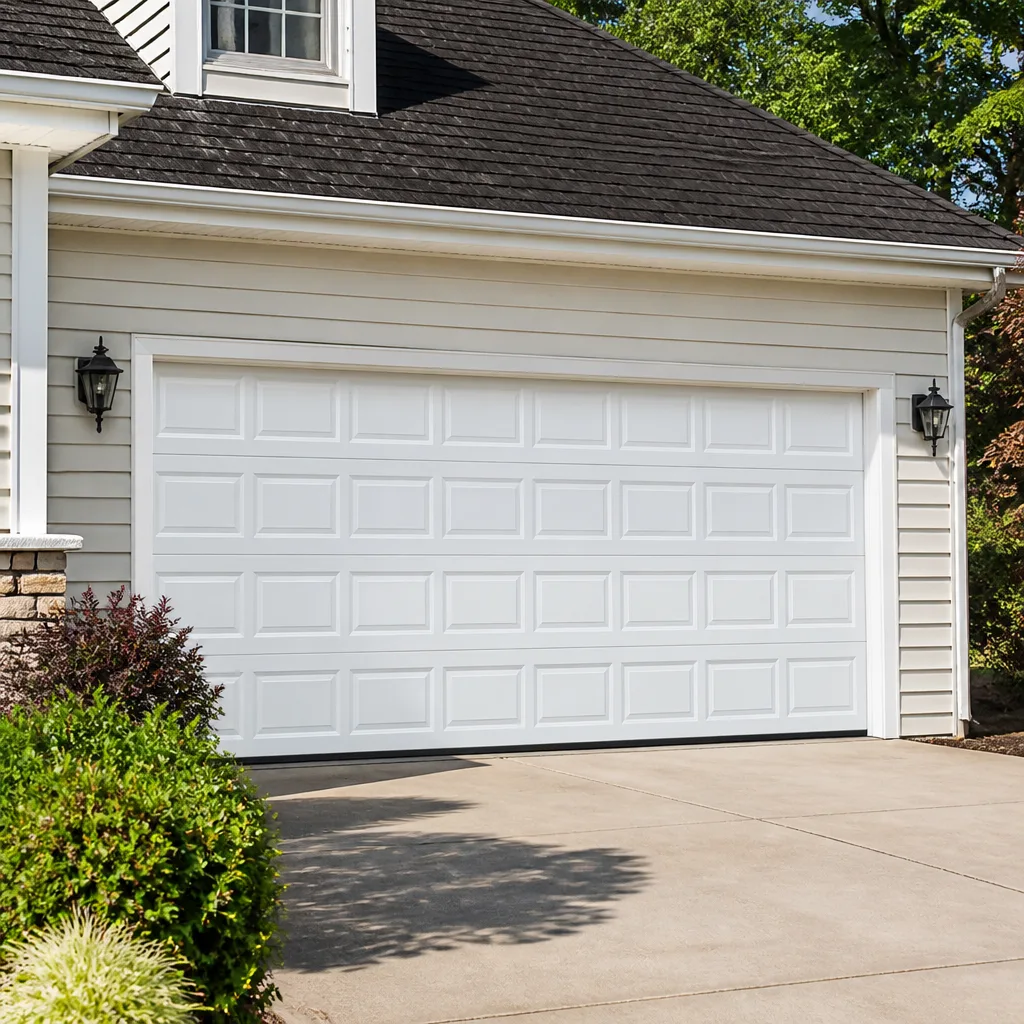 Raised-panel steel
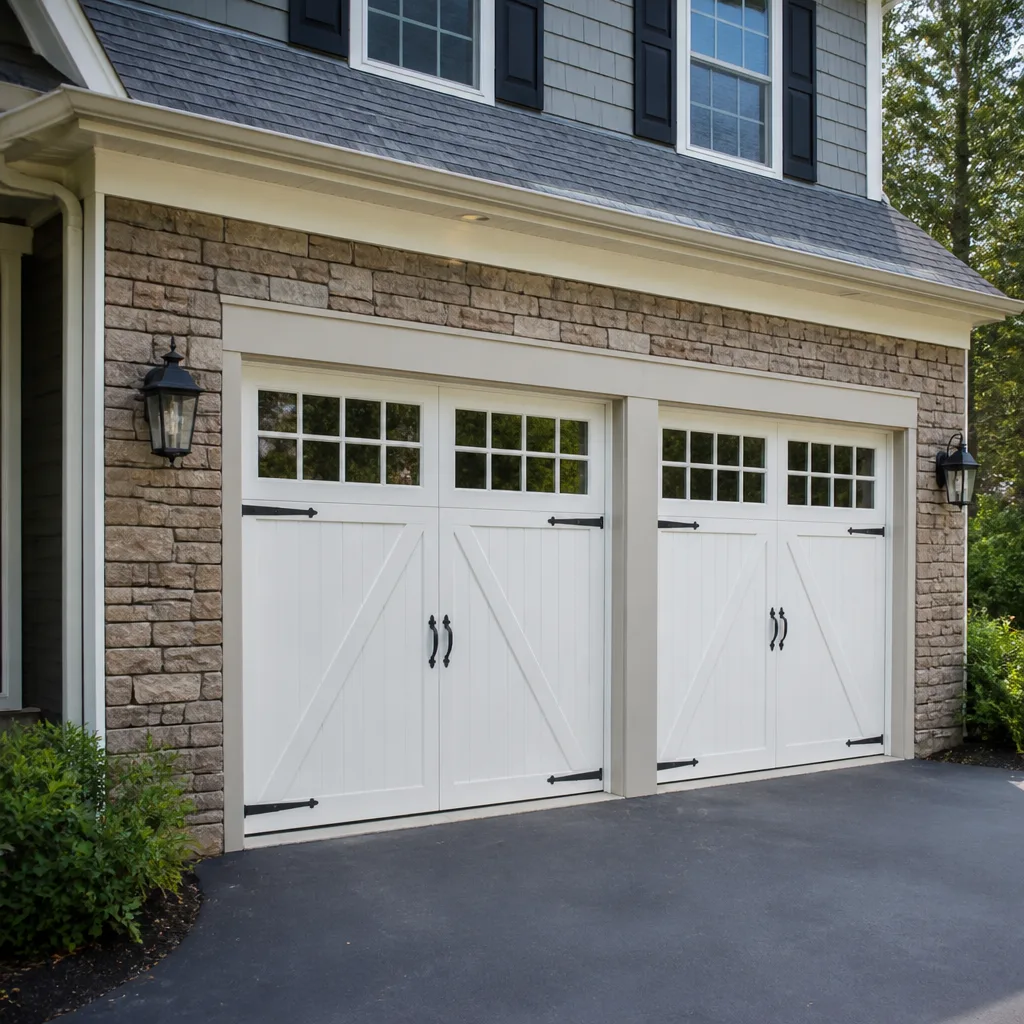 Carriage house
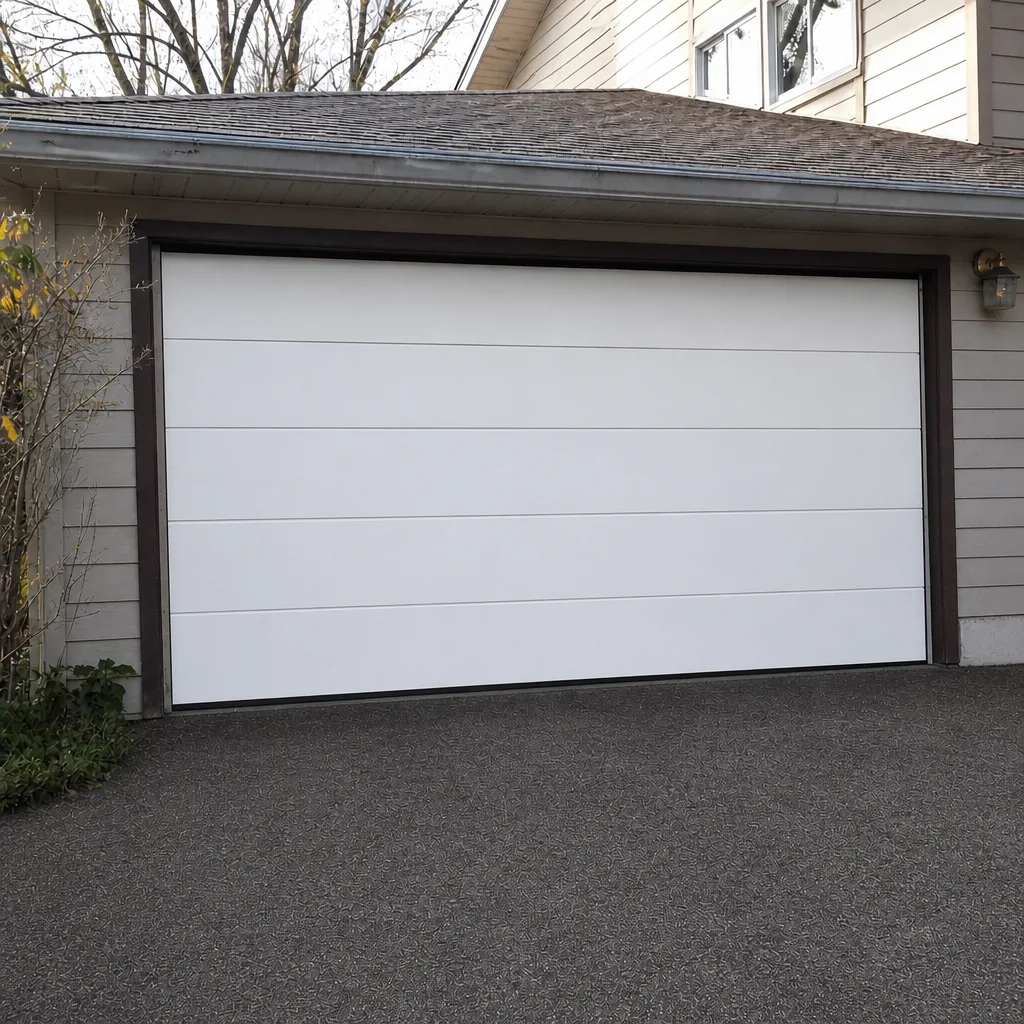
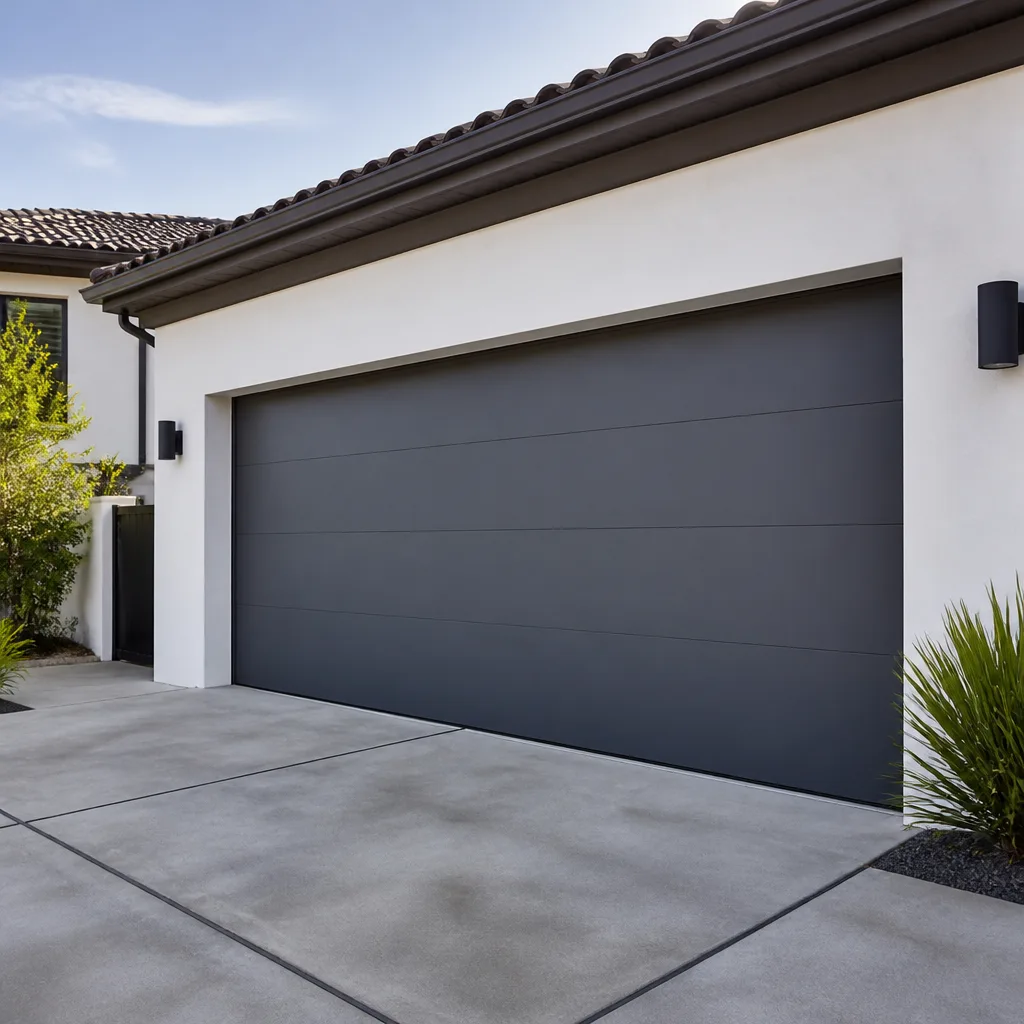 Modern flush
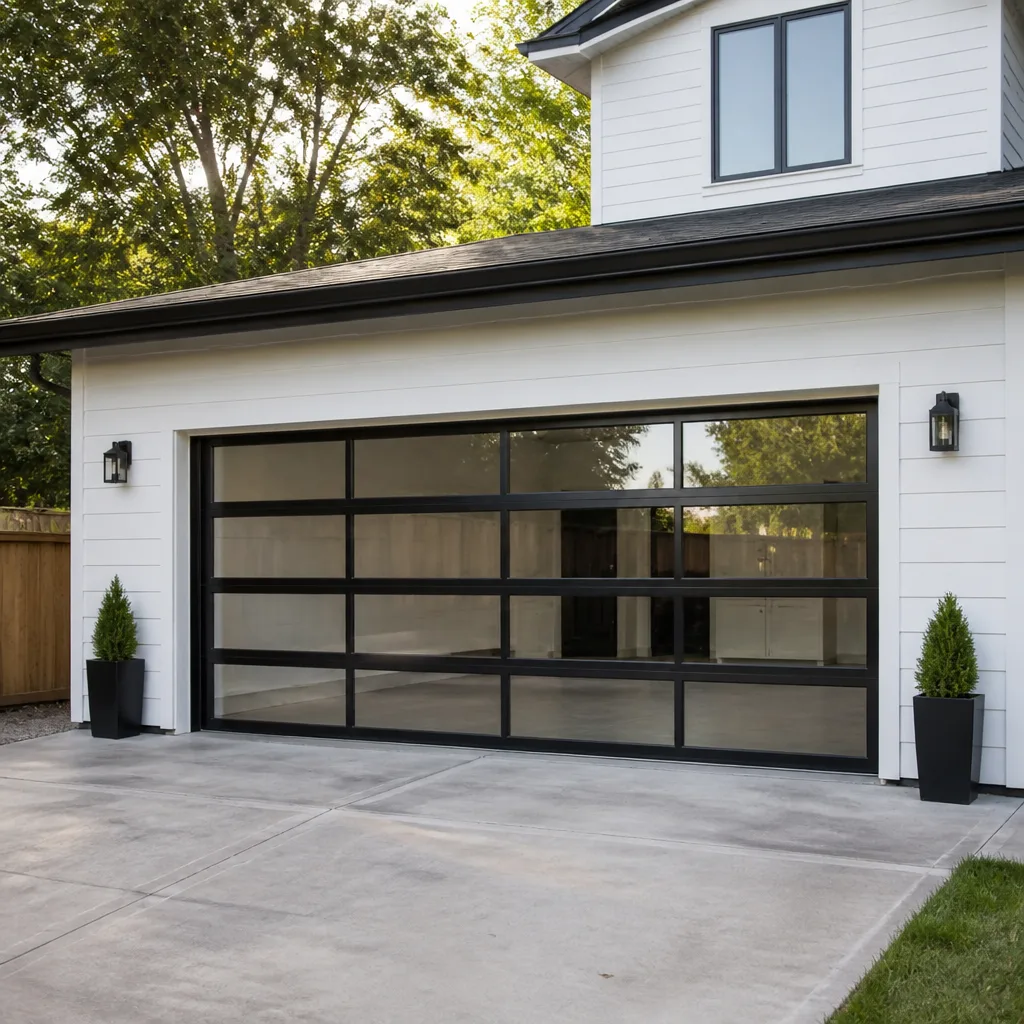 Full-view glass
 LiftMaster openers
 Chamberlain openers
Full 25-point door and opener safety check with every visit - springs, cables, rollers, tracks, and your LiftMaster or Chamberlain opener included
You get a price before we start. It does not change when the pro arrives.
Get your free estimateDIY vs Professional Garage Door: The Burnsville Homeowner’s Decision Guide
Torsion spring replacement is not a difficulty problem. It’s a physics problem. A fully wound torsion spring holds enough stored energy to break a bone or worse in a fraction of a second, and no amount of care or YouTube prep changes that math. Yet the internet treats every garage door repair as if it sits on the same shelf of difficulty, which is why so many homeowners in Burnsville get hurt, break a door further, or waste a weekend on a job they should never have started. The truth is more useful than that: some garage door tasks are genuinely fine to handle yourself, and a few carry real mechanical risk that makes a trained technician the only sensible choice. This guide breaks it down task by task, with honest costs, Minnesota winter reality, and how to judge your own setup before you pick up a wrench.
Quick Answer
Most garage door repairs split cleanly into two groups. Rollers, hinges, weather seals, and photo-eye sensor alignment are reasonable DIY jobs for a careful homeowner with the right tools. Springs, cables, and full track replacement are not: the stored energy and tension in those parts make them the domain of a trained technician, and the risk of serious injury is real rather than theoretical. For anything in that second group in Burnsville, professional work is the rational call, not the cautious one.
Styles & brands we work with
- Raised-panel steel
- Carriage house
- Modern flush
- Full-view glass
- LiftMaster openers
- Chamberlain openers
Table of Contents
- How to Sort Garage Door Tasks Before You Touch Anything
- Which Repairs Are Genuinely DIY-Appropriate?
- Which Repairs Should Stay With a Professional?
- The Honest Cost Comparison: When DIY Saves and When It Costs
- Minnesota Winter Changes the Math
- How to Evaluate Your Own Setup First
- The DIY-Adjacent Approach: You Prep, a Technician Handles the Risk
- Common Mistakes to Avoid
- When to Call a Professional
- Frequently Asked Questions
How to Sort Garage Door Tasks Before You Touch Anything
The first step in any garage door decision isn’t pricing or skill assessment. It’s classification. Before you buy a part or watch a video, figure out which category your repair falls into, because the category determines whether this is a Saturday project or a call to a specialist.
We sort every job into three buckets, and it’s the same mental model our technicians use when they roll up on a door in Burnsville.
Bucket 1: Low-tension, replaceable parts
These are components that hold no stored energy once the door is at rest. Rollers, hinges, bottom weather seal, and the photo-eye sensors that tell the opener the doorway is clear all live here. Replacing them requires hand tools, patience, and a ladder, not courage. A homeowner who’s comfortable with basic home maintenance can handle most of these.
Bucket 2: High-tension components
Torsion springs, extension springs, and the cables that run alongside them are under load every second the door is closed. That load is what lifts the door. It doesn’t care how carefully you’re working. This is where the physics issue kicks in, and it’s why spring work is a named specialty for us rather than something we slot into a general repair visit. If your repair touches a spring or a cable, it belongs in this bucket.
Bucket 3: Structural and alignment work
Track replacement, panel replacement, and rebalancing the door after a component swap sit in a middle zone. The parts themselves may not be dangerous, but the consequences of getting alignment wrong are. A track that’s slightly out of true will chew through rollers and eventually pull a hinge loose. This work usually needs a professional, even though it isn’t the classic injury-risk category.
Sorting your repair before you start is the single highest-value thing you can do. A door that’s misclassified as DIY can cost far more to fix after a failed attempt than it would have cost to have it handled correctly the first time.
Which Repairs Are Genuinely DIY-Appropriate?
We’d rather you handled the simple repairs yourself than paid us to swap a roller. Here’s the honest shortlist of garage door work that a capable homeowner in Burnsville can take on without risking injury or breaking something else.
- Roller replacement. Worn nylon rollers cause most of the noise and shudder people notice. A full set costs little, and swapping them one at a time with the door fully open and secured is straightforward.
- Hinge replacement. Hinges at the panel seams wear out and start to squeak or bind. Buy the same gauge and style, replace one at a time, and don’t strip the screws.
- Bottom weather seal. The rubber strip along the bottom edge takes a beating from Minnesota freeze-thaw cycles. It slides out of the retainer and a new one slides in. This is one of the highest-return DIY jobs for a Burnsville garage.
- Photo-eye sensor alignment. If the door reverses for no reason, the safety sensors are usually out of line or have a cobweb or leaf across the lens. Cleaning and realigning them takes five minutes.
- Lubrication. A proper garage door lubricant on hinges, rollers, and the torsion bar bearings will quiet a noisy door. Don’t use WD-40 as a lubricant on the moving parts; it’s a solvent, not a grease.
- Light bulb and battery swaps. Opener bulbs and remote batteries are trivially easy. So is re-pairing a remote to a LiftMaster or Genie opener using the manual.
What ties these together: none of them involve releasing tension. You’re swapping a worn-out part for a new one, not asking a loaded spring or cable to hold still while you work on it. That’s the line. If your repair stays on the low-tension side of it, DIY is a reasonable choice and we’ll say so.
If you’d rather not deal with it at all, our garage door repair team handles the simple jobs just as readily as the complex ones. But the honest answer for a worn roller is: you can do this.
Which Repairs Should Stay With a Professional?
Some garage door work isn’t a matter of skill. It’s a matter of safety, and no amount of care compensates for a component that stores its energy in a way that can injure you before you react.
Torsion and extension spring work
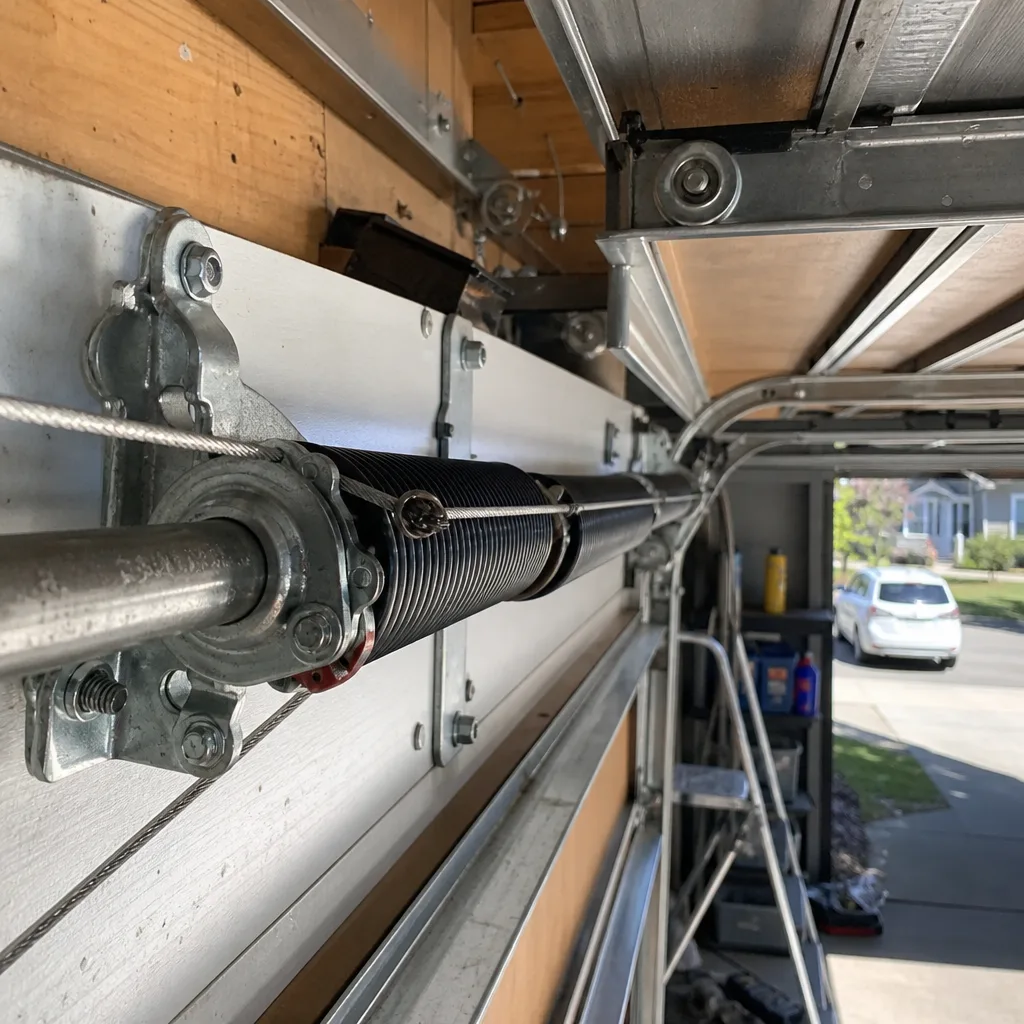
A torsion spring above the door holds the full weight of the door in tension, wound hundreds of turns. When it fails during a repair attempt, it releases that energy instantly. Extension springs above the tracks carry the same risk in a different geometry. There’s no safe way to talk a homeowner through the release-and-replace process over the phone, and we don’t try. This is the highest-risk repair in the entire garage door system, and it’s why we treat spring work as a specialty rather than a line item.
Cable replacement
The lift cables run from the bottom corners of the door up to the drums at the torsion bar. They’re under the same tension as the springs. A cable that snaps or slips during a repair can whip with enough force to break a hand. Cables are just as much a “call first” item as springs.
Track replacement and realignment
A bent track doesn’t just make the door loud. It redirects the force of the door’s motion into the panel and the opener. If you replace a track yourself and the geometry is off by a quarter inch, the new track will wear out the rollers within months. Track work needs experience and the right straightedges to do correctly, and a professional can spot when a track issue is masking a deeper problem with the panels.
Panel replacement and structural work
Replacing a section panel might look like swapping a body panel on a car, but a misaligned panel changes the door’s balance and forces the opener to work harder. That shortens opener life and can cause the door to bind mid-travel.
If your issue is a broken spring or a cable, our garage door spring repair team can take a look and quote the work before anything is touched. This is where the “don’t DIY” advice stops being caution and starts being common sense. For an opener that’s stopped responding entirely, our garage door opener repair team can diagnose whether the issue is the opener, the sensors, or a mechanical problem with the door itself. That distinction matters, because an opener that keeps reversing usually isn’t the opener’s fault.
The Honest Cost Comparison: When DIY Saves and When It Costs
DIY saves real money when the job is genuinely DIY. It costs more than professional work when it isn’t, because the second repair is more expensive than the first one would have been. Here’s the straightforward breakdown of where the savings actually sit.
- Rollers and hinges: Parts are inexpensive and the labor is real but modest. DIY usually wins here if you have the tools. A professional visit adds a call-out charge that can exceed the parts cost for a small job.
- Weather seal: Near-certain DIY win. The part is cheap, the install is simple, and the payoff is a warmer, drier garage through a Burnsville winter.
- Lubrication and adjustment: DIY-friendly if the adjustment is limited to tension on the opener rail or the travel limits, both of which are covered in the opener manual.
- Spring replacement: DIY isn’t a category here. There’s no realistic savings comparison because the risk isn’t worth pricing. A broken spring handled by a professional is a known, quoted cost. A broken spring handled by a homeowner who gets hurt is a hospital bill on top of the same repair cost.
- Cable replacement: Same as springs. The parts are inexpensive, but the labor is where the value is, and it’s labor you shouldn’t do yourself.
- Track and panel work: DIY almost always costs more after a failed attempt. A misaligned track or panel means the door runs badly, the opener burns out faster, and you end up paying for the correct repair plus the wrong one.
There’s also the parts markup question. It’s real, and it’s fair to acknowledge: a professional buys parts at a price a homeowner can’t always match, and the difference is part of what funds the labor, the warranty on the work, and the truck showing up with the right part the first time. That markup usually doesn’t erase the value of professional work on a complex job. It can erase it on a small one. That’s the honest trade.
For work that involves ordering a part – a specific Clopay panel, a Chamberlain logic board – the professional’s brand familiarity pays for itself. When the technician already knows the right part for your system, you don’t wait on a second visit. That’s one of the reasons we work on the brands homeowners actually own: LiftMaster, Chamberlain, Genie, Clopay, Amarr, Wayne Dalton, Craftsman, and Raynor.
Minnesota Winter Changes the Math
A cold garage in Burnsville in January is not the same workshop as a mild-weather garage in another part of the country. The temperature changes how your tools behave, how the lubricants flow, and how well your hands work – and each of those has a direct effect on how safe any DIY repair actually is.
Tools behave differently in the cold
Metal contracts, plastic gets brittle, and any tool with a rubber grip is a little less grippy than it was in September. A socket that fits snugly on a torsion bar in July still fits in January, but the torque required to turn a stiff fastener goes up while your hand’s ability to deliver that torque cleanly goes down. That’s a bad combination when you’re working near a loaded spring.
Lubricants stop behaving
Cold weather thickens every grease and oil. A lubricant that spreads evenly at 60°F may barely move at 20°F. If you’re doing a DIY lubrication job in a cold garage, the grease may not reach the hinges and rollers where it’s needed, and a light coat of the wrong product can actually attract grit and cause more wear than no lubrication at all. A professional will use a product rated for the temperature range and apply it in a way that reaches the moving parts.
Your own dexterity drops
This is the part most DIY guides skip. Fine motor control and grip strength both fall off in cold weather, especially when you’re working above your head on a ladder. A job that’s a comfortable DIY repair in a heated shop becomes a genuine risk in a Burnsville garage in December, and the stakes on a garage door repair are high enough that the weather alone can push a task from DIY to professional. If you’re going to do a small repair yourself in the winter, do it on a mild day, heat the garage first if you can, and keep the task short.
Freeze-thaw cycles also speed up the wear on bottom seals, hinges, and the low-tolerance parts of the track. A door that worked fine in October may start binding in January simply because ice has worked its way into the bottom track. That’s a Burnsville reality and one reason drivers here end up looking for Burnsville Garage Door Repair Co in the middle of a cold snap rather than in the fall.
How to Evaluate Your Own Setup First
Before you decide on DIY, look at the actual conditions in your garage. A repair that’s reasonable in one setup is a bad idea in another, and the difference usually comes down to space, tools, and how the door has been wearing.
Walk through these checks
- Is the door balanced? Disconnect the opener, lift the door halfway, and let go. A balanced door stays put. A door that drops or rises on its own has a spring problem and belongs in the “call a professional” bucket.
- Do you have full clearance? You need enough room to work both sides of the door and get behind the track. A tight single-car garage in a Burnsville rambler may not give you the ladder space you need.
- Do you have the right tools? Socket set, adjustable wrenches, locking pliers, a proper ladder, work gloves, and eye protection. Not because eye protection is a nice idea; because a hinge under load can spit a screw at you. If you don’t own the tools, you’re not saving money by starting the job anyway.
- Is the door old enough that other parts are about to fail? If the springs are near the end of their life and the cables are rusted, replacing a roller is treating a symptom. That’s a diagnostic conversation with a professional, not a DIY job.
- Is someone working with you? Any repair above head height is easier and safer with a second person holding the ladder and handing tools. If you don’t have a helper, plan for shorter tasks.
- Is it cold? If the garage is below freezing and the repair involves more than a five-minute part swap, wait for a break in the weather or call a professional.
If you clear those checks, the repair is probably fine to handle yourself. If any of them fail, the cheap repair turns into an expensive one the moment something goes wrong.
The DIY-Adjacent Approach: You Prep, a Technician Handles the Risk
There’s a middle path that most guides ignore, and it’s often the cheapest realistic option for a Burnsville homeowner. You handle the prep that a technician would otherwise charge for, and the technician does the part that needs expertise. This cuts labor time and total cost without putting you anywhere near a loaded spring.
What you can prepare
- Clear the garage floor. Move the car, the bikes, the winter gear. A technician can start the moment they arrive if there’s space to work, and that’s real labor time saved.
- Note the symptoms. Write down whether the door is noisy, unbalanced, reversing, or slow. Note which opener brand and model you have (LiftMaster, Chamberlain, Genie, and others are usually printed on the back of the opener). A precise description shortens the diagnosis.
- Buy the small parts yourself. A new set of rollers or a weather seal is easy to source, and buying them yourself avoids the markup on those items. The technician installs them as part of the visit.
- Note the door’s age and panel style if you’re considering a new-door quote. Clopay and Raynor both have panel and color references printed on the door or available from the original installer.
- Clear the track of obvious debris before the technician arrives. Don’t start adjusting anything, just clean out the mud, ice, and leaves so the diagnosis reflects the real condition.
What you don’t do: release spring tension, loosen cables, or take a track apart. The prep work is all on the low-risk side of the line. The repair work stays on the high-risk side, and that’s the whole point of the approach. In our experience, a homeowner who does this prep saves time on the visit without giving up any of the safety margin. It’s the arrangement we recommend when someone asks whether they should do the job themselves or hire out – and it’s the answer most people don’t expect.
Common Mistakes to Avoid
- Treating spring replacement as a skill test. It isn’t. A torsion spring holds stored energy whether you’re experienced or not, and a homeowner who’s “pretty handy” is still at risk. This is the single biggest mistake we see around Burnsville, and it’s the one that ends in a hospital visit.
- Lubricating with the wrong product. WD-40 as a lubricant, or a heavy grease on nylon rollers, can attract grit and cause more wear than doing nothing. Use a garage door-specific lubricant and apply it sparingly.
- Adjusting the opener’s travel limits without checking the door first. If the door reverses or stops short, the problem is often a sensor or a mechanical binding issue, not the opener’s limits. Tightening the limits masks the symptom and worsens the binding.
- Working in a cold garage without warming it first. In a Burnsville January, tools slip, lubricants thicken, and your hands aren’t as steady as they are in June. Heat the garage or wait for a milder day for any real repair.
- Buying a part based on door style alone. Panels, torsion springs, and rollers vary by make and model and by door weight. A Clopay spring is not the same as one for a Raynor door of the same size. Match the part to the specific door, not to the look of it.
- Ignoring a bent track because the door still opens. A bent track wearing through rollers is fine until it isn’t, and the failure usually shows up as a jammed door at the worst possible time. Address it before it gets worse.
- Calling for a quote on a job the homeowner could have handled. The flip side of the mistakes above. A worn roller and a stiff weather seal are genuinely inexpensive DIY jobs, and paying a labor charge for them isn’t smart budgeting.
When to Call a Professional
Call a professional for anything involving a broken or failing spring, a snapped or slack cable, a bent track, a misaligned panel, or an opener that isn’t responding to normal resets. Those situations carry real injury or property risk, or they hide a deeper problem that a diagnosis will find faster than a guess. Call if the door is unbalanced, if it reverses for no reason after you’ve cleaned the sensors, or if the door is different in ways you can’t name. Call if the garage is your daily route to work and the door isn’t operating, because a stuck door in Burnsville can leave a car trapped in the morning.
Burnsville Garage Door Repair Co offers free estimates in Burnsville, and our technicians have up to 9 years of experience diagnosing and repairing every kind of door in the area. We work on the brands you actually own – LiftMaster, Chamberlain, Genie, Clopay, Amarr, Wayne Dalton, Craftsman, and Raynor – so the right part is identified on the first visit. Call (855) 560-7429.
Frequently Asked Questions
No, and not because of skill level. Torsion and extension springs store energy that releases instantly if a component fails or slips during the repair, and that energy can cause serious injury. Call (855) 560-7429 for a free estimate instead; it’s a repair that’s genuinely faster to have done professionally than to attempt.
A repair is safe to do yourself if it involves no stored tension: rollers, hinges, weather seal, sensor alignment, and lubrication are all reasonable. If the job involves a spring, a cable, or a track replacement, it isn’t. Test the balance first by disconnecting the opener and lifting the door halfway; if it doesn’t stay put, stop and call a professional.
On low-risk parts like rollers and weather seals, DIY usually costs less than a professional visit because you’re only paying for the part. On springs, cables, or track work, there isn’t a realistic DIY savings comparison, because a failed attempt typically costs more than the original repair. The written estimate from a professional sets the final price, and we quote and agree on that price before any work starts.
Yes, but the cold changes the conditions significantly. Metal tools become harder to grip, lubricants thicken, and a homeowner’s own dexterity drops in a cold garage. Small repairs are fine on a milder day with the garage heated first. Spring and cable repairs should always be done by a professional, and the cold actually raises the risk rather than lowering it.
If the door reverses or stops short, the sensors or a mechanical binding issue are the most common culprits, not the opener’s electronics. Clean the photo-eye lenses and check the door’s balance first. If the issue continues, our garage door opener repair team can diagnose whether the opener, the sensors, or the door mechanism is at fault. Call (855) 560-7429 for an exact quote; estimates are free.
The local pro we connect you with is licensed and insured as their state requires. Our technicians have up to 9 years of experience, and we work on all of the most common door and opener brands. Call (855) 560-7429 for a free estimate and we’ll get you scheduled.
The Bottom Line
The DIY versus professional question for garage door work comes down to one line: does the repair involve stored tension? On one side are rollers, hinges, weather seals, and sensor alignment – genuinely reasonable for a careful homeowner. On the other side are springs, cables, and track work, where the risk isn’t skill but physics, and where the honest answer is to have a professional handle it. Minnesota winter adds another variable, pushing more jobs onto the professional side of the line. The DIY-adjacent approach – you prep and buy small parts, a technician handles the risk – is often the cheapest smart option. For anything on the high-risk side of the line, call Burnsville Garage Door Repair Co at (855) 560-7429 for a free estimate, with the price quoted and agreed before any work starts.
Written by the team at Burnsville Garage Door Repair Co.
See the difference
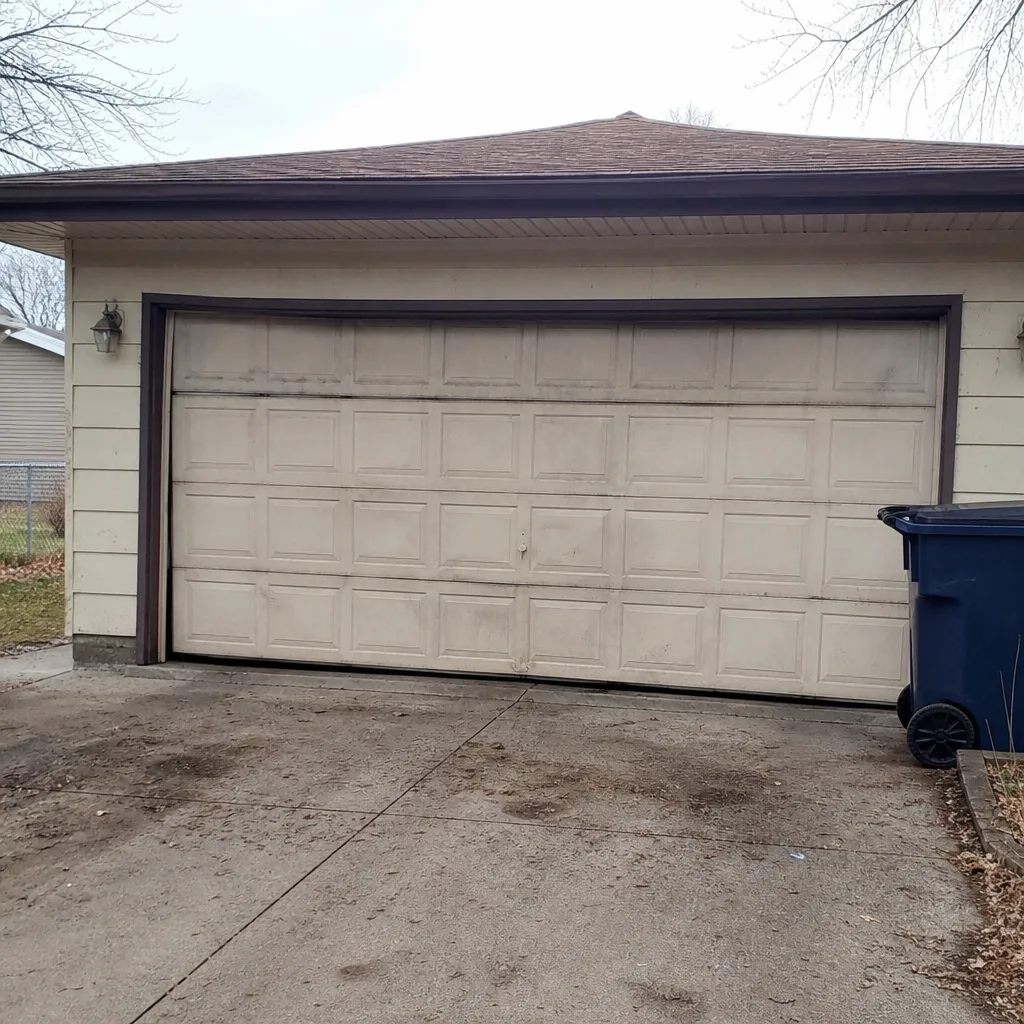
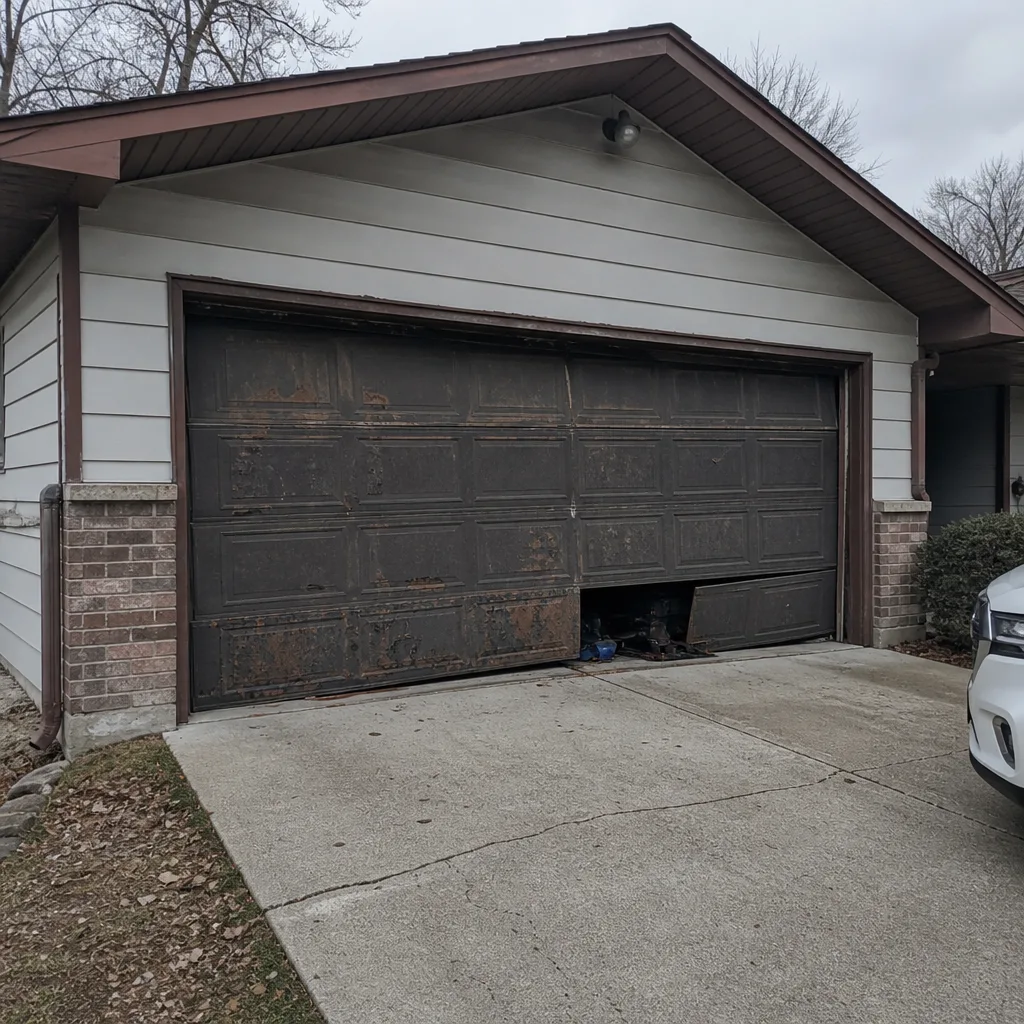 Before
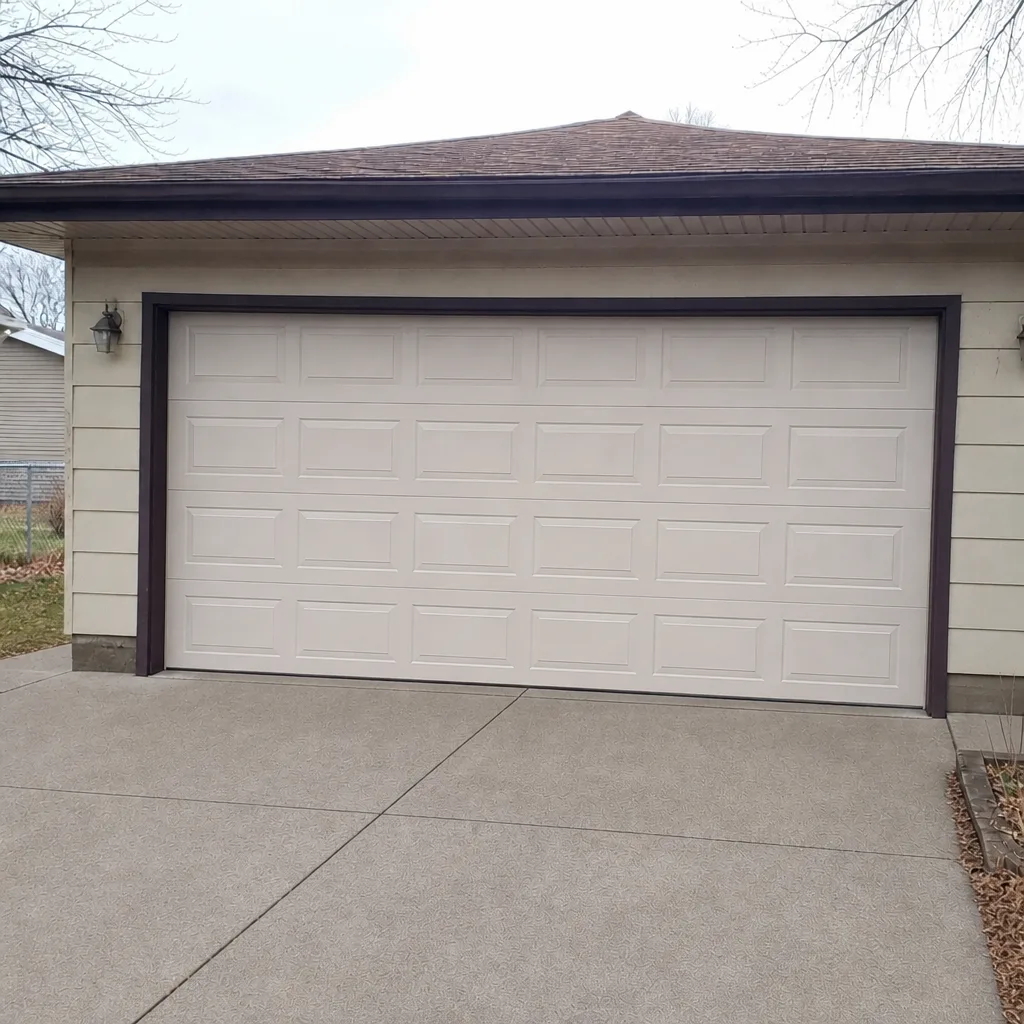
 After
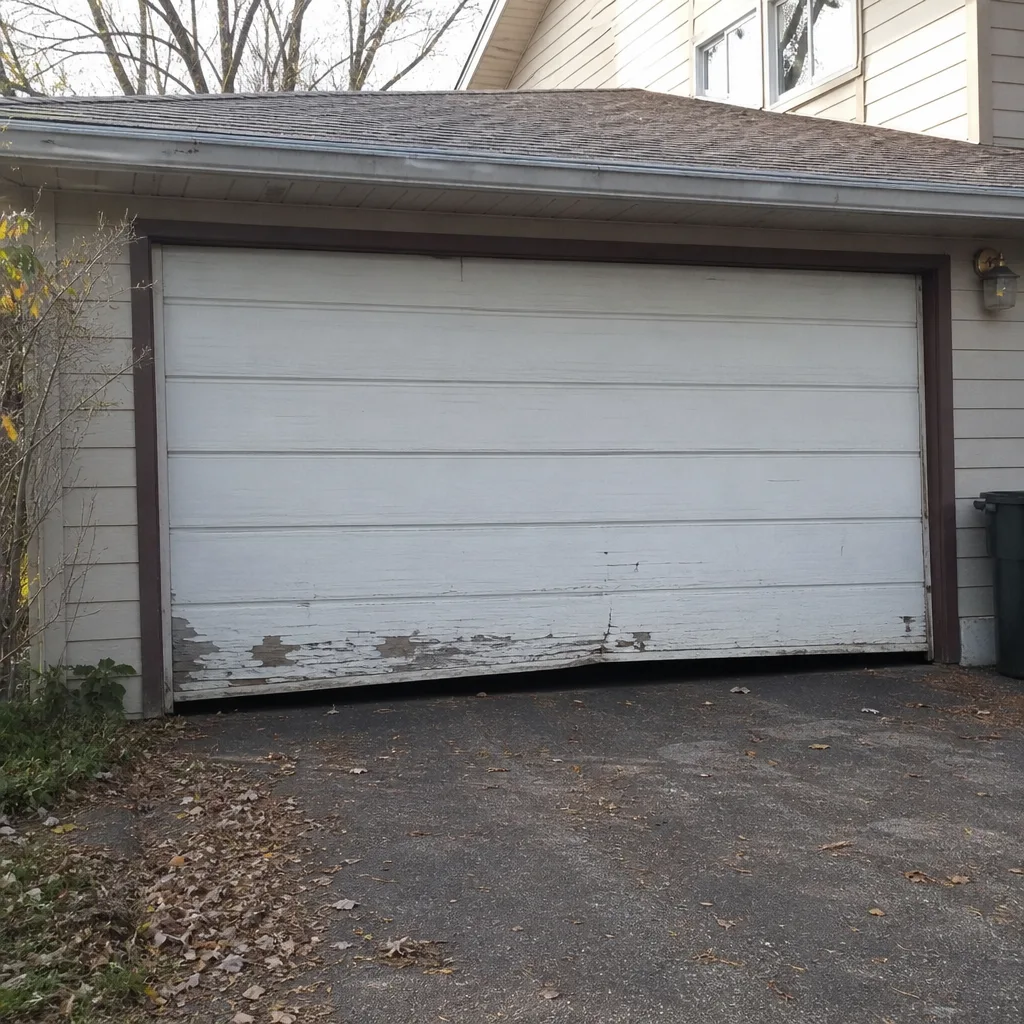
 Before
 After
 Before
 After