Last updated November 22, 2026
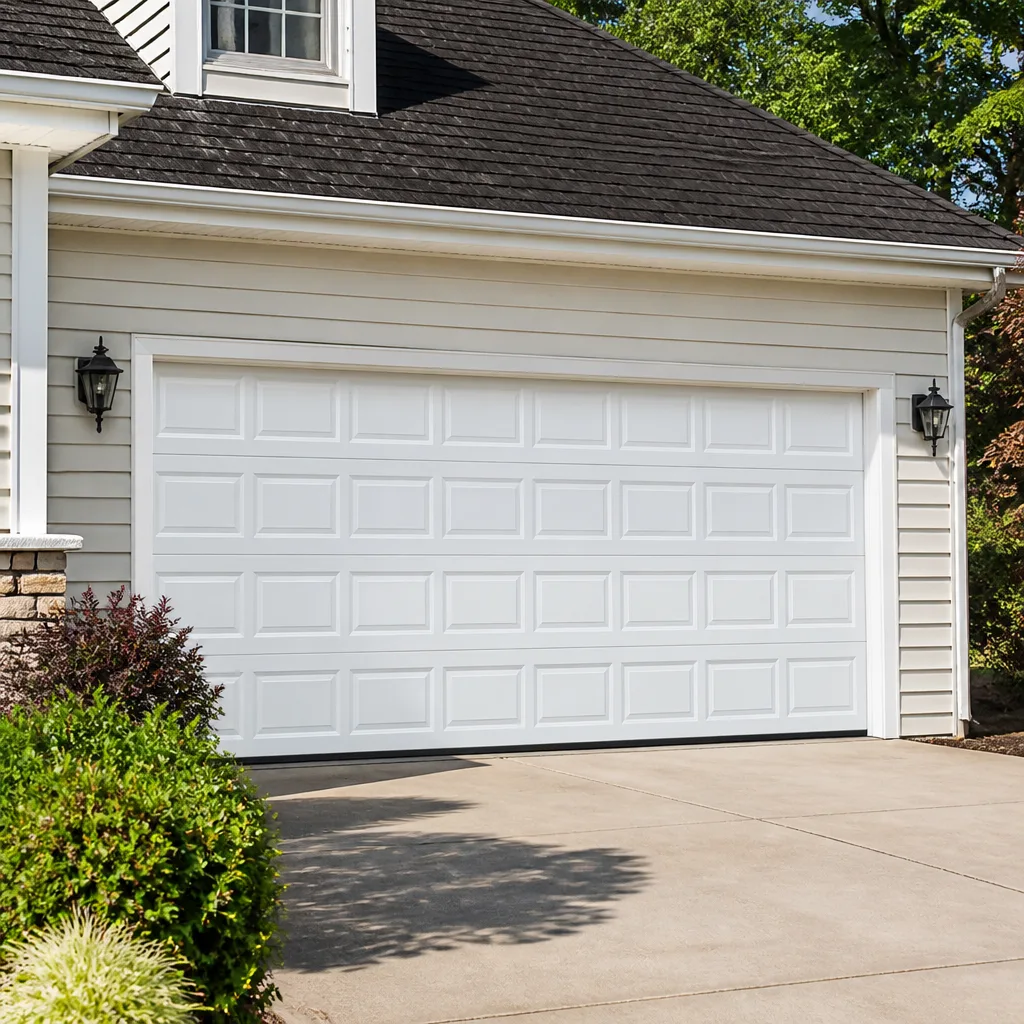 Raised-panel steel
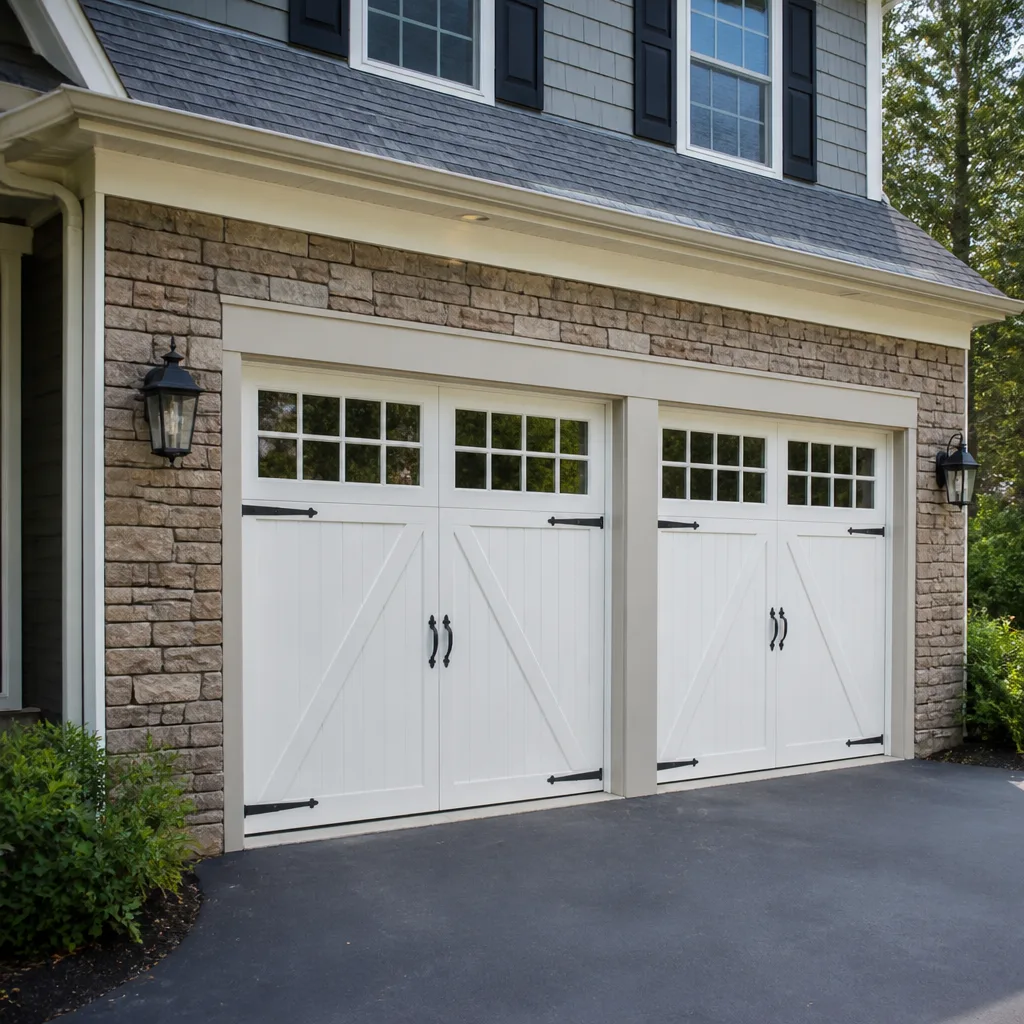 Carriage house
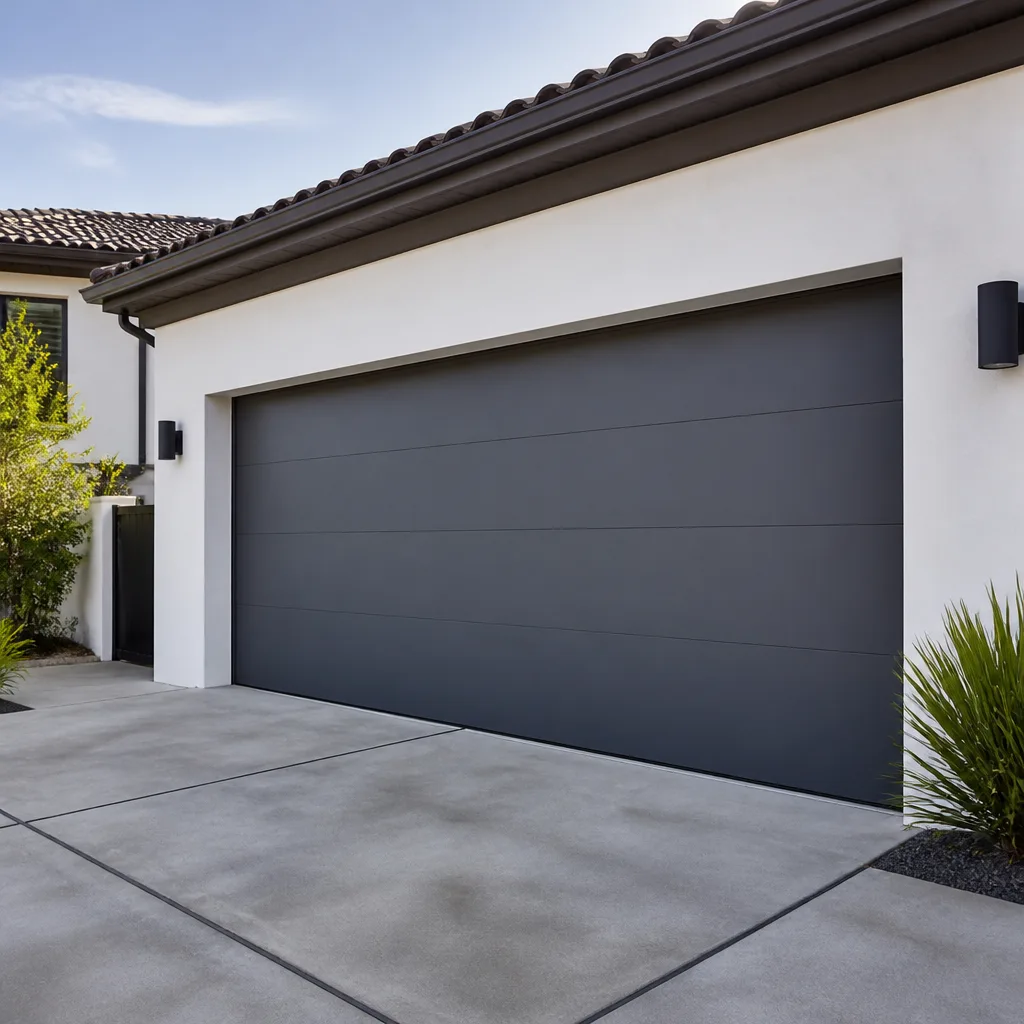 Modern flush
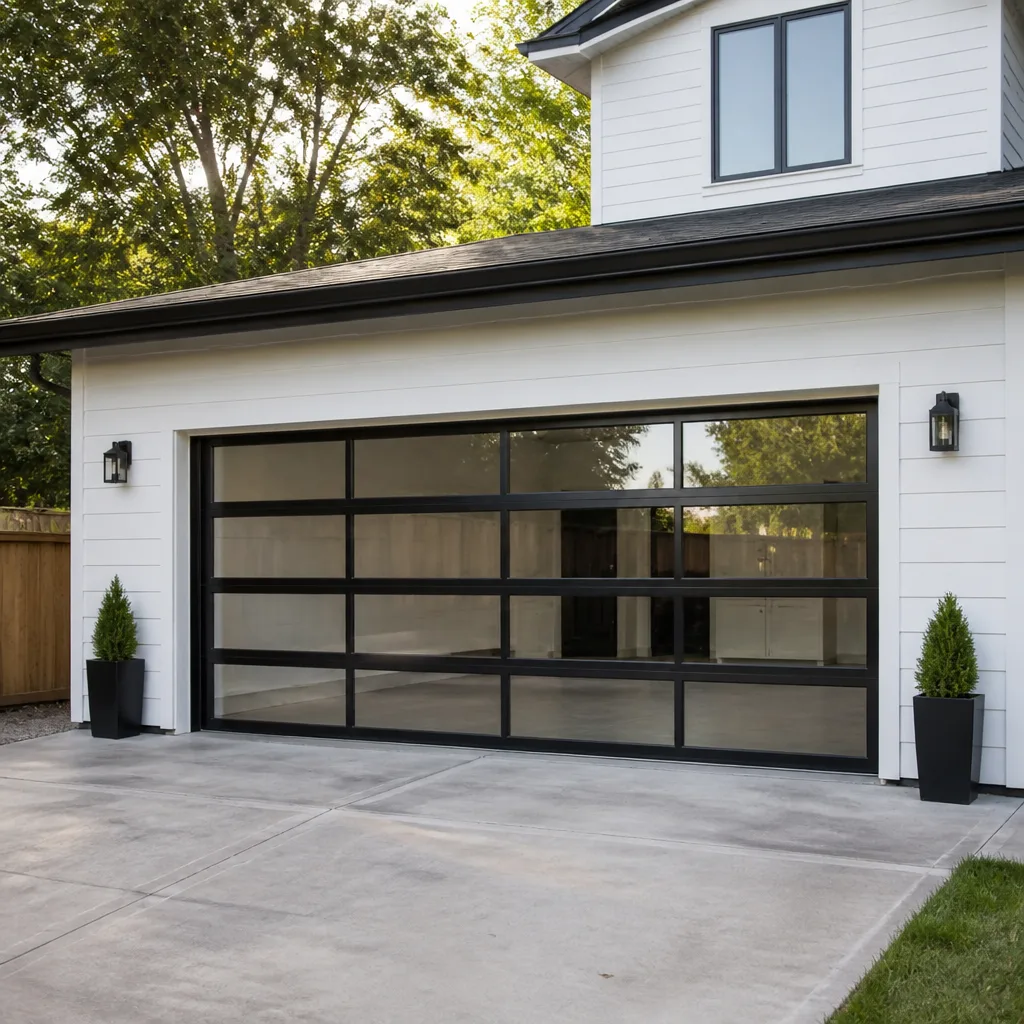 Full-view glass
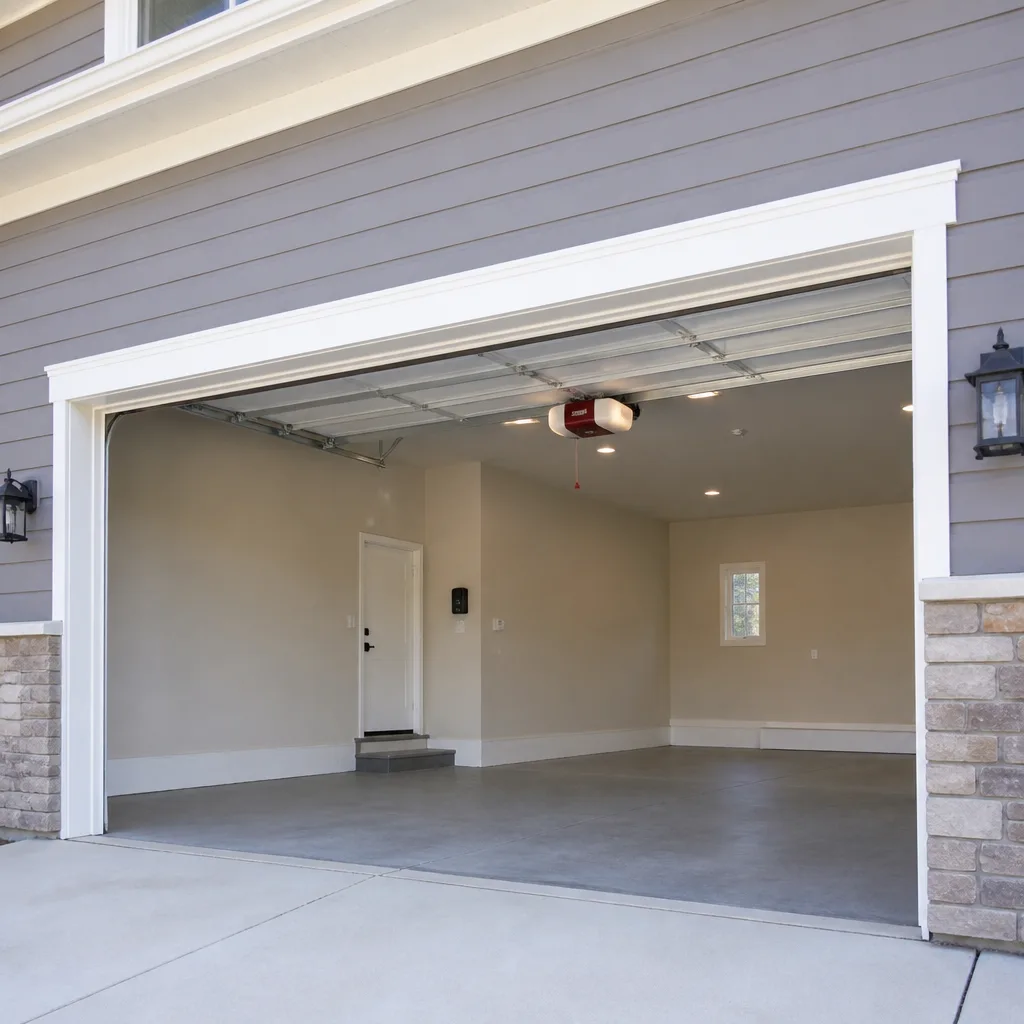 LiftMaster openers
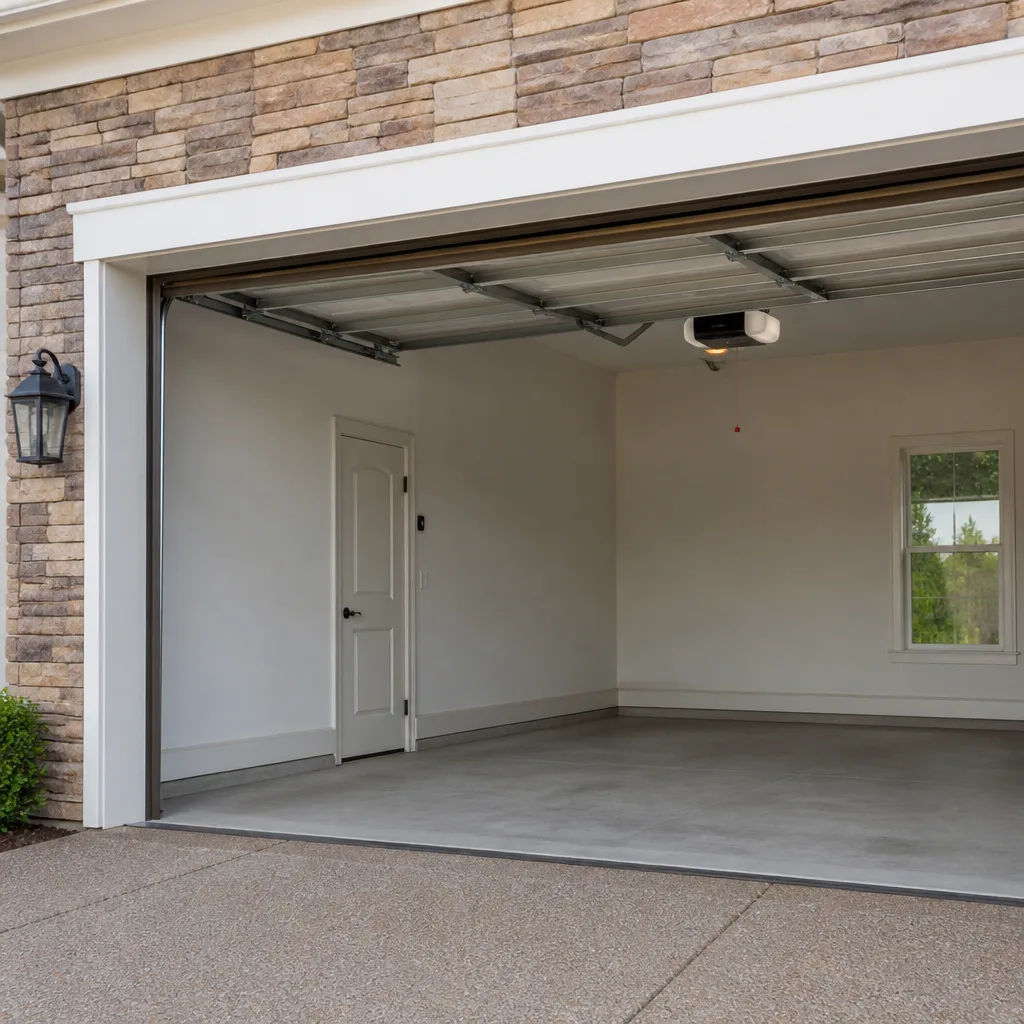 Chamberlain openers
Full 25-point door and opener safety check with every visit - springs, cables, rollers, tracks, and your LiftMaster or Chamberlain opener included
You get a price before we start. It does not change when the pro arrives.
Get your free estimateGarage Door Emergency Preparedness Guide for Burnsville Homes
The most common garage door emergency call we get in Minnesota happens on a weekday morning in winter: the door won’t open, the car is inside, and the homeowner has no idea where the manual release cord is. Here’s the counterintuitive part. Most of those calls don’t need to be emergencies at all. A door that won’t open, a door stuck halfway, a car trapped in the garage at 6:45 a.m. before a shift starts: nearly all of it gets faster and cheaper when three basic preparations are already done. So this guide isn’t a repair manual. It’s a preparation guide written for Burnsville homes, and it covers the three things to set up now, the release cord most people use wrong, how to secure a door that’s stuck open in a Minnesota cold snap, and exactly when to stop and call a tech.
Quick Answer
A garage door emergency in Burnsville goes better when you’ve prepared in advance: know where the manual release cord is and how to pull it without damaging the opener, keep your door and opener model numbers plus service history in one place, and know which local specialist to call before you need one. If a spring has snapped or the door is jammed crooked in its tracks, stop using it and call a professional, because those repairs involve high-tension parts that can seriously injure you. The rest – a dead opener, a power outage, a door stuck open – is manageable on your own with the right steps.
Styles & brands we work with
- Raised-panel steel
- Carriage house
- Modern flush
- Full-view glass
- LiftMaster openers
- Chamberlain openers
Table of Contents
- Why Burnsville Doors Fail in Winter
- How to Use the Manual Release Cord Correctly
- How to Secure a Door That’s Stuck Open
- What to Document Before an Emergency
- Broken Spring and Cable: What to Do, What Never to Touch
- Power Outage Protocols for Burnsville Homes
- Your Three-Part Prep Checklist
- Common Mistakes to Avoid
Why Burnsville Doors Fail in Winter
Garage doors in Burnsville live through a real freeze-thaw cycle. Winters here swing from mild, wet stretches to deep cold, sometimes within days. That cycle loads and unloads the steel in your springs thousands of times a season, and metal fatigues. Springs don’t weaken gradually and warn you. They work fine until the moment one snaps, usually early morning when the house is coldest and the metal is most brittle. That’s exactly why the calls land on weekday mornings.
Cold does other things too. Lubricant thickens and the door drags. Rollers stiffen. The bottom seal freezes to the slab and the opener yanks against a door that’s stuck to concrete, straining the motor and the springs at once. Add the freeze-thaw movement under the slab and you get a floor that isn’t as flat as it was in fall, so the safety sensors drift out of alignment and the door reverses a few inches off the ground. None of that is a manufacturing defect. It’s the climate, and knowing it does half the diagnosis.
Burnsville homes add one more twist. Lots of the housing stock here dates to the 1970s through the 1990s, so you’ll find original chain-drive openers, older single-piece tracks, and doors with decades of cycles on the same torsion springs. Some streets still have the original track hardware the house was built with, and that’s where the surprises are. A door that ran quietly all fall can bind hard on the first real cold morning, and the homeowner is standing in the kitchen in a coat wondering what changed overnight.
It helps to think about winter wear as something you can observe rather than something you can’t. Walk out to your garage on a normal cold day, not a crisis one, and listen. A door that rattles, creaks, or hesitates is telling you the springs and hardware are working harder than they should. A door that lifts smoothly and quietly is telling you the opposite. You don’t need tools to hear the difference.
If you notice the noise starting to build, don’t wait for a Friday at dinnertime to deal with it. Scheduled attention in mild weather beats an emergency call in a cold snap every time. Our garage door repair service is built around fixing the small stuff before it strands a car.
How to Use the Manual Release Cord Correctly
Every opener has a manual release, and it’s the single most misused piece of equipment on the whole door. The cord and its red handle hang from the trolley that rides on the rail. Pulling it disengages the travel carriage so the door moves by hand instead of by motor. That’s the whole idea. Done right, it gets you in and out. Done wrong, it can bend a door panel, wreck the opener, or put the door in your lap.
The step most people skip is checking the door’s balance first. Before you pull that cord, look at the door with the opener engaged and see whether it’s already under tension, crooked in the tracks, or sagging on one side. Sweep a coat hanger or a snow brush along the bottom edge to confirm nothing is caught. If the door looks crooked or a spring is visibly broken, don’t pull the release. The opener is actually holding that door up, and disengaging it lets the door drop, which is dangerous and can also damage whatever is underneath.
Here’s the safe sequence when the door looks normal:
- Stand clear of the door’s path and confirm no one is under it.
- Pull the release cord straight down and away from the door, not sideways.
- Lift the door slowly by hand. If it feels heavy or won’t stay up, stop and lower it gently. That door is out of balance and needs a professional.
- Move the door only as far as you need, then lower it fully when you’re done.
Re-engaging is where people create secondary damage. Don’t shove the door and let the opener grab it mid-slide. Instead, close the door, pull the release cord to run the trolley back toward the motor so it reconnects, then let the opener cycle once from a closed position. Running the opener with a disconnected carriage strips gears and can burn out older units.
Two more things worth knowing. The release only helps if your opener actually has one, and every mainstream unit does, including the LiftMaster and Chamberlain systems common in Burnsville. And if the cord is frayed or missing, replace it now. It’s a small part with a big job, and a broken release cord on a cold morning is a call you’d rather not make.
How to Secure a Door That’s Stuck Open
A door stuck open is the security half of the emergency. In Burnsville, a wide-open garage in January is also an invitation for wind-driven snow and draft, and a door flapping in a low-pressure cold front can pull a roller out of a track or bend a panel. You’re not trying to fix the door here. You’re trying to hold it still until someone can.
When the door is stuck up, try these in order:
- Lower it by hand if it’s safe. If the door looks square in its tracks and isn’t under spring tension failure, release the carriage and bring it down by hand, slowly, all the way to the slab.
- Close the carriage back up. Re-engage the opener if it’s working and use the wall button to close the door.
- Clamp the track. If the door can’t close, clamp a set of locking pliers or a C-clamp to each vertical track above a roller to stop the door from sliding down unexpectedly. Keep everyone clear of the door while you do it.
- Prop it. For a truly stuck door, a heavy object in front of the opening is a stopgap, not a fix, and it’s only for keeping people out, not for bearing the door’s weight.
For securing the opening, don’t lean on the door itself. Close the gap with the access door if you have one, keep the car on the other side of the opening, and call for service before dark. In wind and cold, a half-open door with a broken spring should never be operated to “test” it. That’s the sign to stop.
We treat a stuck door as a repair job, not a maintenance chat, and our Burnsville Garage Door Repair Co team hears the stuck-open call most on cold mornings. The worst thing you can do is yank the release and let the whole thing slam down while your car is still in there.
What to Document Before an Emergency
This is the preparation piece almost nobody does, and it pays off exactly when you’re stressed. Write down a few facts about your door and opener now, taped to the wall inside the garage or saved in a phone note. You’ll hand them to whoever answers your call, and a technician who knows what he’s driving into diagnoses faster and brings the right parts.
Why does it matter at 11 p.m.? Because the person on the phone can tell you whether your door is under warranty, what vintage of hardware to expect, and whether the fix is a parts swap or a full replacement. It also stops the very common mistake of fighting an emergency without knowing what you’ve got. A homeowner who can say “it’s a Raynor door, opener’s a Genie chain drive, last spring work was two years ago” gets a straight answer instead of a guessing game.
Here’s what to capture:
- Door make and model number, usually on a sticker inside the door panel or on the end cap.
- Opener make and model, on the motor housing label.
- Whether the opener has battery backup and how old the battery is.
- What’s been serviced and when: springs, cables, rollers, opener, safety sensors.
- The name and number of a specialist you trust, written down and saved.
Once you know your brands, you can also check whether your hardware is common. We work on the big names you’ll actually find in Burnsville homes, including Amarr, Wayne Dalton, Craftsman and Raynor, so most model numbers are ones we already know well. If your opener is one of the LiftMaster or Chamberlain smart units, note that too. App-connected openers behave differently in an outage, and that’s worth knowing before it happens.
Broken Spring and Cable: What to Do, What Never to Touch
Springs are the most dangerous component in your garage door system, and we treat them that way. A torsion spring holds hundreds of pounds of stored energy. When it breaks, it can whip a cable loose, and the parts around it move with real force. So here’s the honest version of this section: we’re going to tell you how to make the door safe and step away, not how to disconnect that spring yourself.
Your job around a broken spring is observation and securing. Here’s the sequence:
- Stop operating the door. Don’t run the opener. Don’t force it by hand. A door with a broken spring is being held up by the opener or the remaining spring, and cycling it can drop the door or snap the good spring too.
- Check for the obvious signs. Look for a gap in the coiled torsion spring above the door or a stretched horizontal spring overhead. Loose cables hanging slack signal a cable problem.
- Keep everyone clear. No kids, no pets, no car under the door. Keep the carriage engaged so the opener keeps holding the door up.
- Lock the door if you can, and call a professional. If the door can’t come down, clamp the vertical tracks as described above, and don’t touch the spring or its drums.
When do you stop and wait for a tech, rather than trying to nurse the door along? If a spring is broken, if a cable is off its drum, if the door is sagging on one side, or if your opener won’t lift the door without straining. All of those are spring and cable territory, and they’re exactly what our garage door spring repair specialty covers. A technician has the right winding bars and the training to handle the tension safely. What you do at home is a stopgap until he arrives.
The cables and drums are part of the same system. You can look at them, and you can keep the area clear while you wait, but disconnecting a cable from a drum under tension is a job for someone who’s trained to do it. We’d rather you leave the door closed and call than risk a hand or a shoulder to save an hour.
Power Outage Protocols for Burnsville Homes
A power outage does not mean a broken door. It means the opener has no current and the door is sitting there waiting for you to disengage it. Once the release cord is pulled, you can open and close the door by hand as many times as you need, with power on or off. The trick is training the people in your house to do that calmly, in the dark, before it happens.
Battery backup openers make the whole thing easier. Many modern units, including the common LiftMaster and Chamberlain systems, ship with or accept a backup battery that keeps the opener running for a limited number of cycles when the grid goes down. That’s enough to get the car out in a storm-driven outage. The catch is the battery. It ages on the shelf and dies quietly, and people only discover it’s dead when they actually need it. Check it once a season.
If you don’t have a backup, here’s what an outage looks like handled well:
- Keep a flashlight and a pair of work gloves right inside the garage door, and keep a step stool nearby.
- Disengage the carriage with the release cord before you force the opener, never after.
- Lift the door by hand only if it’s balanced. If it’s heavy, leave it down.
- Re-engage the carriage only when power is back, using the reset sequence above.
A frozen car in a dark garage on a January evening is exactly the kind of call that arrives at 11 p.m., and it’s also the one that goes smoothest when the release cord’s location and use are already obvious to everyone in the house.
If your opener itself is the problem rather than the power, a technician can diagnose it and get the door working. Our garage door opener repair covers the full spread of drive types, from basic chain units to app-connected openers, and we work on the brand you already have.
Your Three-Part Prep Checklist
You don’t need a lot to be ready for a garage door emergency. You need three things, done once, refreshed each fall. This is the whole thesis of this guide: preparation is faster than reaction, especially in Burnsville cold.
One: know your release cord. Walk out to the garage today and find it. Make sure everyone in the house can point to it, including anyone who drives. Then test the sequence when you’re not rushed: disengage, lift by hand, lower, re-engage. You’re learning the motion, not testing the springs.
Two: write down your hardware. Door make and model, opener make and model, whether you have battery backup, and when each part was last serviced. Keep that note where you’d look in a hurry, like taped to the wall near the wall button or saved on your phone.
Three: have a number on hand and know when to use it. The difference between a stuck door and a dangerous door is whether the spring is in play. If it’s a spring, a cable, or a crooked door, the number comes out first. Everything else can wait until you’ve tried the sensible steps above.
Our technicians have up to 9 years of experience, and we’ve walked through this exact sequence with homeowners across Burnsville enough times to know it works. The call you make calm in your driveway beats the call you make frantic from the kitchen every time.
One more prep item for the fall: book a look at the springs and rollers in mild weather rather than waiting for the first cold snap. Every winter, the scheduling gets tight in Burnsville when the cold arrives. Fall is when the work is measured and easy.
Common Mistakes to Avoid
- Pulling the release cord on a crooked or sagging door. That cord only helps if the door is square. When the opener is holding up a failing door, disengaging it lets the door drop. Look at the door first, then pull.
- Re-engaging the opener by shoving the door. It’s tempting to force it, but an opener that tries to catch a moving door mid-slide strips gears. Run the carriage back to the motor and reconnect gently.
- Testing a door with a broken spring. We see people cycle the opener “just to see if it works” after a snapped spring. It won’t, and the strain can damage the opener and the remaining spring. Leave it closed.
- Ignoring the battery backup. In a Burnsville outage, a dead battery is a dead backup. Check it every season, not after it fails you.
- Letting the door seal freeze to the slab. If your door rises and pauses before it lifts, the bottom seal may be frozen. Clearing the snow and keeping the seal clear of ice prevents the opener from yanking against concrete.
- Skimping on winter lubrication. Cold months are hard on moving parts, and thick or dry bushings make the door work harder. It doesn’t take much, but it does matter in our climate.
- Calling a generalist. A door that’s jammed or stuck is a specific problem, and a specialist who knows the brands in your garage diagnoses it faster. A handyman guesses.
See the difference
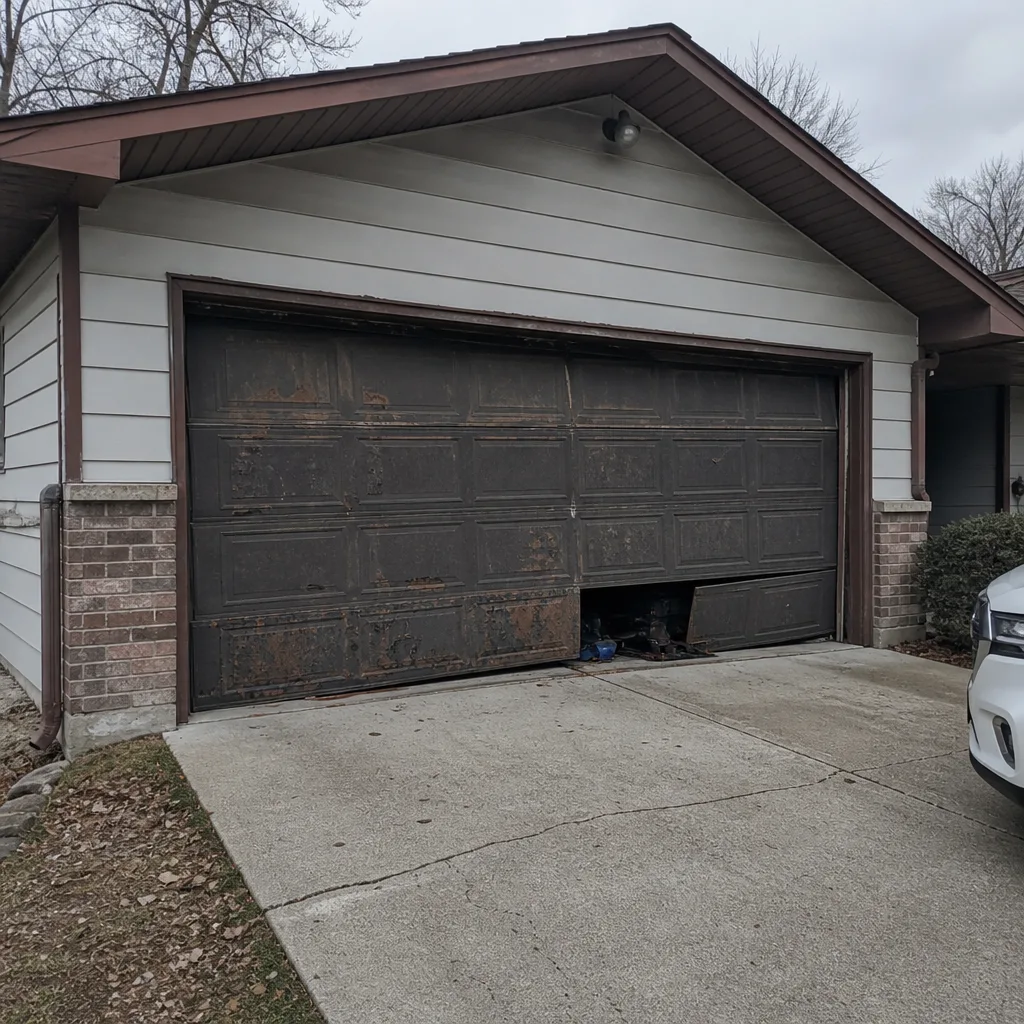 Before
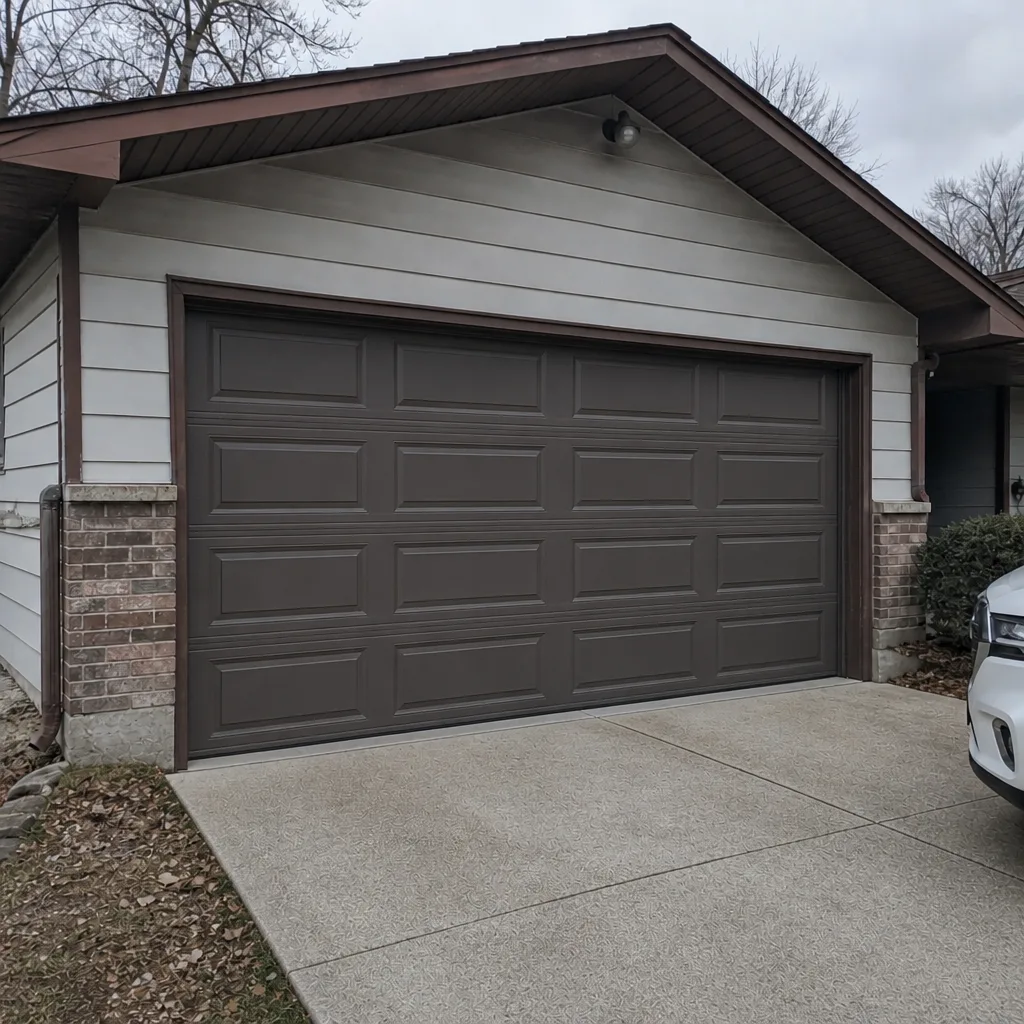 After
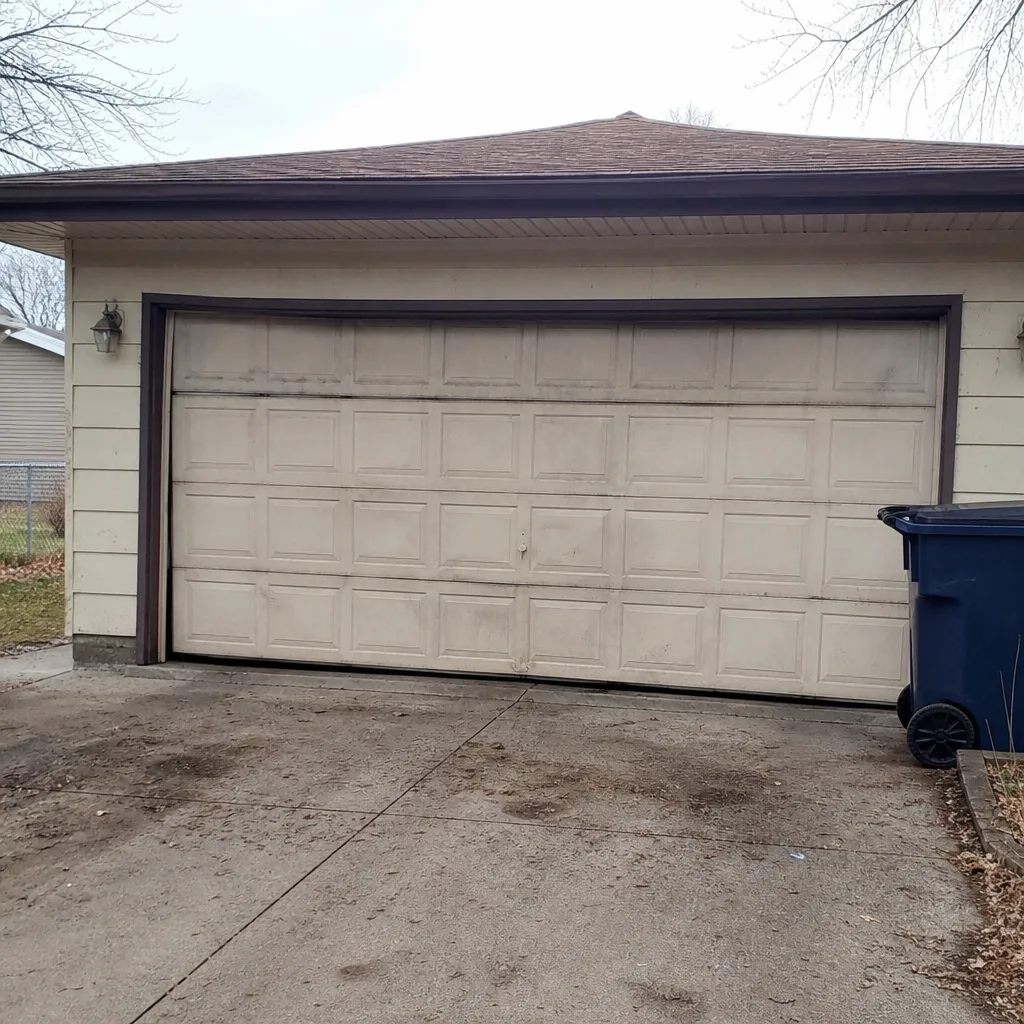 Before
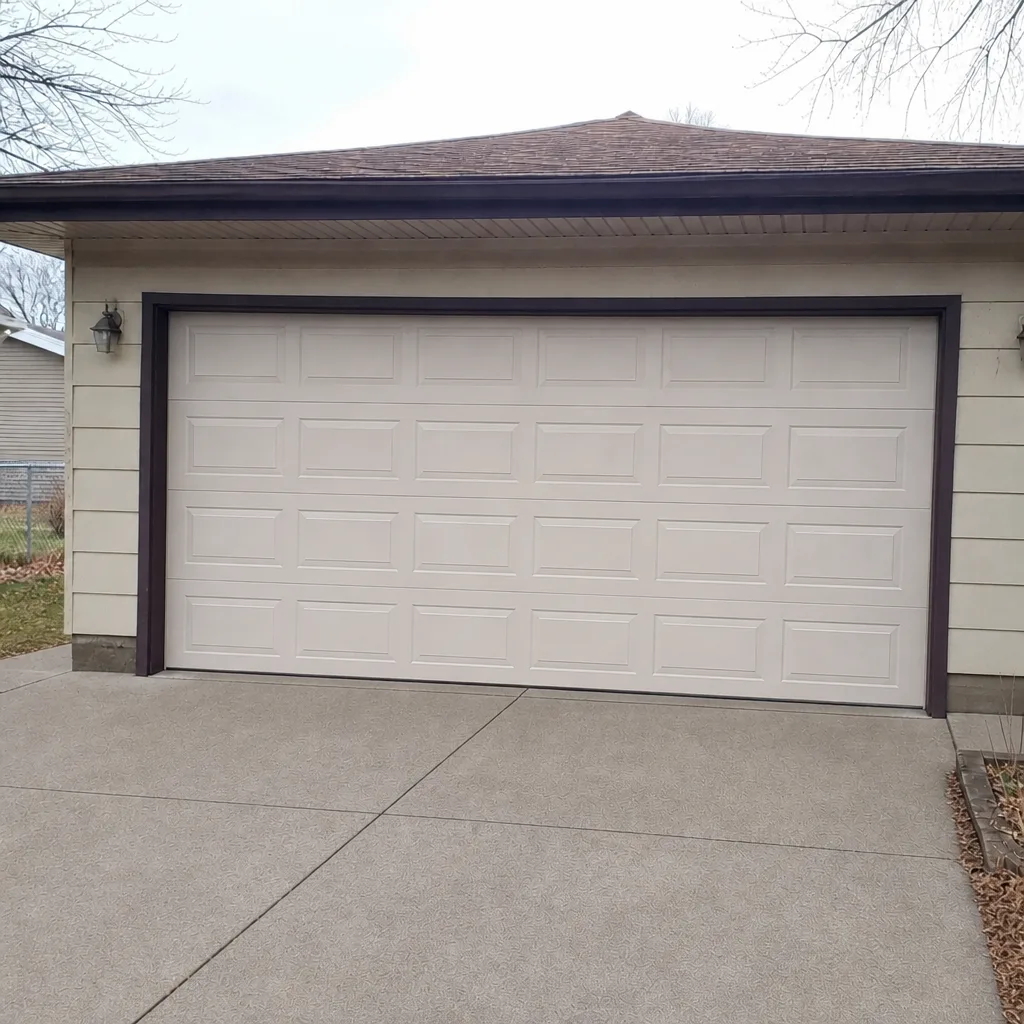 After
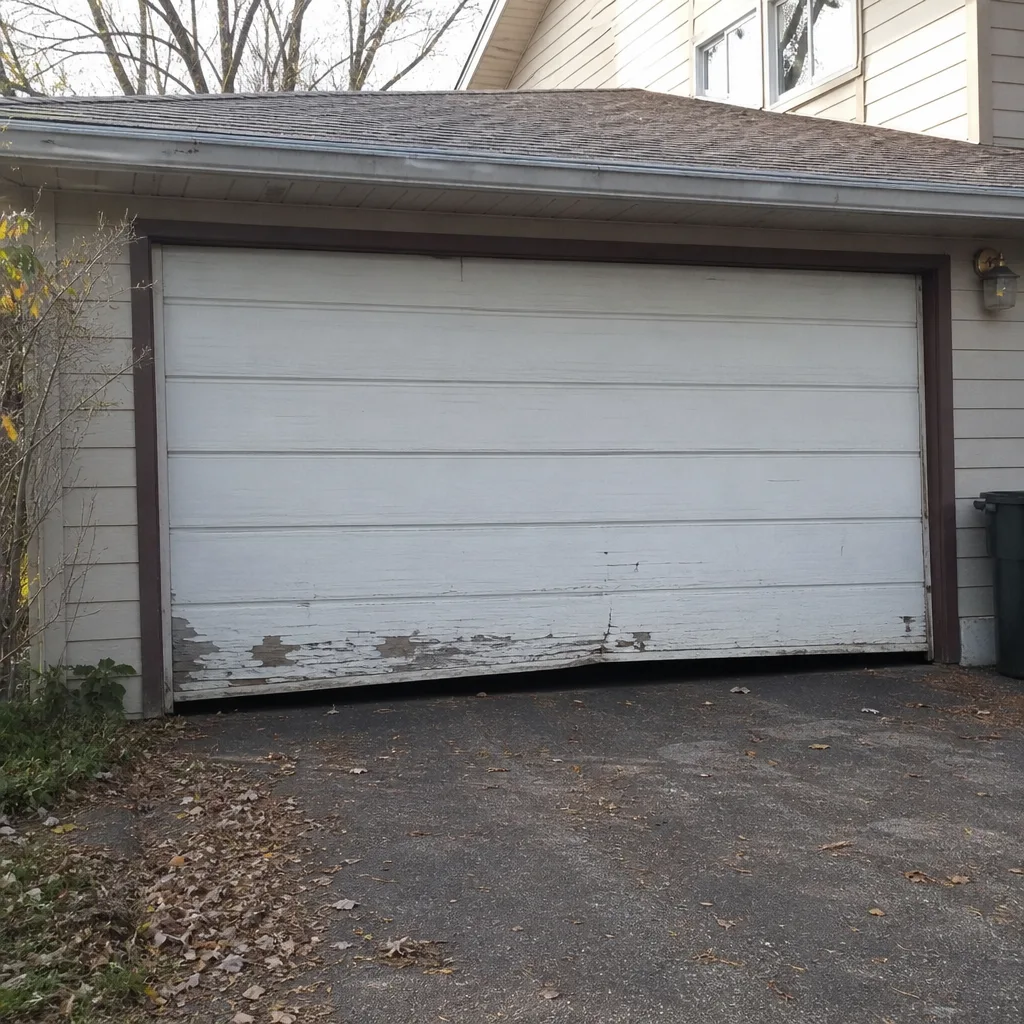 Before
 After
When to Call a Professional
Call a professional the moment a spring is broken, a cable is off its drum, or the door is crooked in its tracks. Those are the cases where the door can hurt someone, and they’re not a weekend project. Call, too, if the door won’t stay up on its own when you lift it by hand, or if the opener is straining or burning out. For everything else, the steps above buy you time, but they don’t replace a technician on a door that’s been binding all winter. Burnsville Garage Door Repair Co offers free estimates in Burnsville, and emergency service is standard availability, not an upsell, so call (855) 560-7429. The local pro is licensed and insured as their state requires, and you’ll have a written price before any work starts. Emergencies are no reason to pay emergency pricing.
Frequently Asked Questions
Pull the manual release cord to disengage the opener, then lift the door by hand if it’s balanced. Do this only if the door looks square in its tracks and no spring is visibly broken. If the door looks crooked or a spring has snapped, leave the opener engaged and call a technician, because the opener is holding the door up. In Burnsville, this is the typical weekday morning call, and it’s usually solved in minutes when the release cord is known. Call (855) 560-7429 for an exact quote on any repair.
Spring pricing depends on whether you have a single spring or a matched pair, because a pair is usually replaced together and costs about twice a single spring. We give a written estimate before any work starts, and the quote sets the final price. If you’re in doubt, call and describe the door; a broken spring gets a fast answer. Call (855) 560-7429 for an exact quote, and estimates are free.
Emergency service is a standing offer for stuck doors and broken springs, so call us and we’ll get someone out to you as quickly as we can. We work with the brands in your garage, including LiftMaster, Chamberlain, Genie, Clopay, Amarr, Wayne Dalton, Craftsman and Raynor, which means fewer return visits for parts. Call (855) 560-7429 to get on the schedule.
It’s safe only if the door is balanced. A balanced door lifts with modest effort and stays up when you let go at halfway. If it feels heavy or won’t stay up, it’s out of balance and shouldn’t be lifted by hand. Lower it gently, re-engage the carriage, and call a professional.
Close the door if you can, or clamp the vertical tracks with locking pliers above a roller to hold it still, and keep everyone clear. Don’t leave the door half-open in Burnsville wind and cold, where a panel can bend or a roller can pull loose. Call for service before dark if the door can’t be closed safely. Call (855) 560-7429 for a free estimate.
No, not when we’ve agreed on the estimate. We quote the job in writing and agree on it before any work starts, and the written estimate sets the price. The only time the scope shifts is if we find something different from what you described on the phone, and we’ll tell you before doing anything. Call (855) 560-7429 for a quote.
A backup isn’t required, but it’s worth having in a climate where outages happen. A backup battery keeps the opener working for a limited number of cycles and gets your car out during an outage. If you don’t have one, know your manual release procedure instead, and check any existing backup battery once a season so it isn’t dead when you need it.
Keep the bottom seal clear of ice and snow and check that the door lifts without hesitation before you run the opener. A door that seems to pause at the floor may be frozen to the slab, and forcing it strains the opener and the springs. Clear the snow, free the seal, and the door lifts normally.
The Bottom Line
A garage door emergency in Burnsville is a stressful thing, but it’s far less stressful when you’ve done three small things in advance. Know where the manual release cord is and how to use it without wrecking the opener or dropping the door. Keep your model numbers, service history and a specialist’s number where you’d find them in a hurry. And treat springs and cables as hands-off, always. The rest, from an outage to a stuck-open door, is manageable with the steps in this guide. When it’s time for a professional, we’re here, with free estimates and no emergency pricing. Call (855) 560-7429.
Written by the team at Burnsville Garage Door Repair Co.