Last updated November 22, 2026
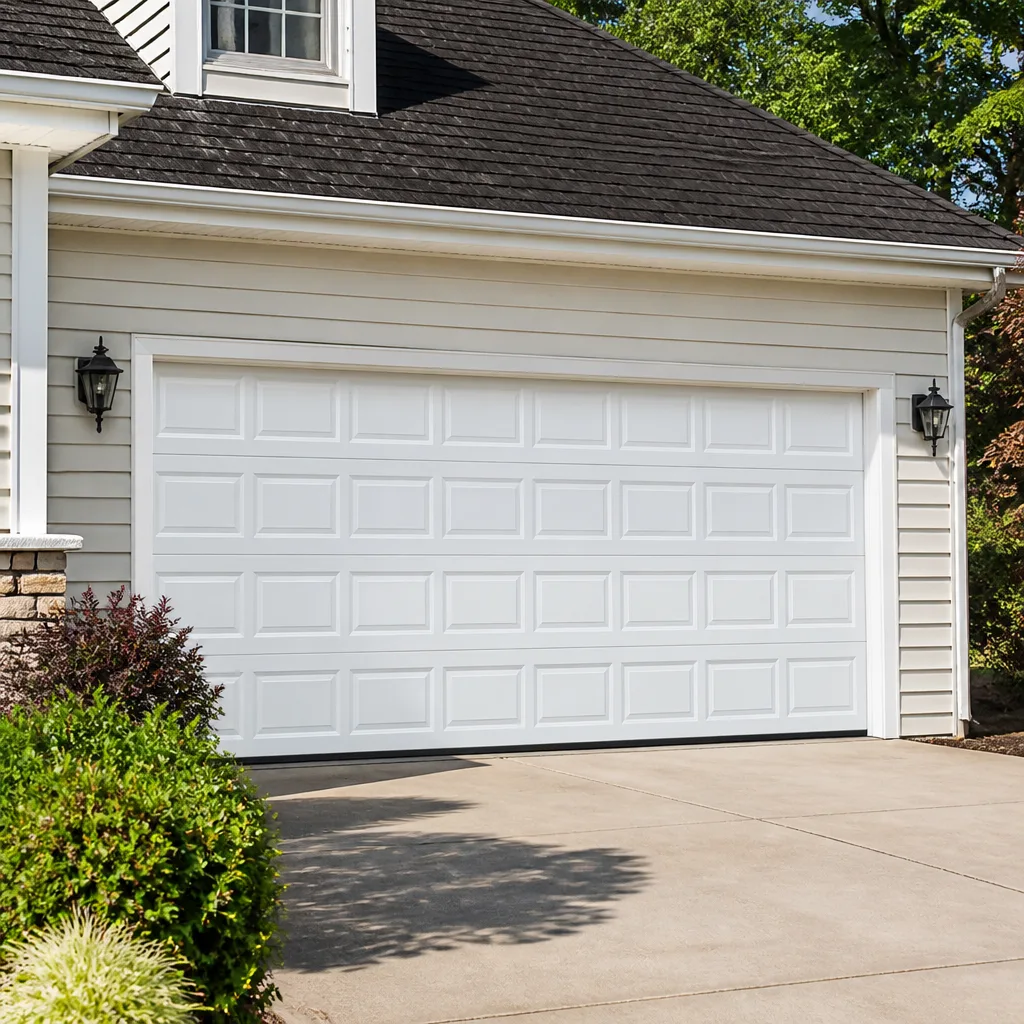 Raised-panel steel
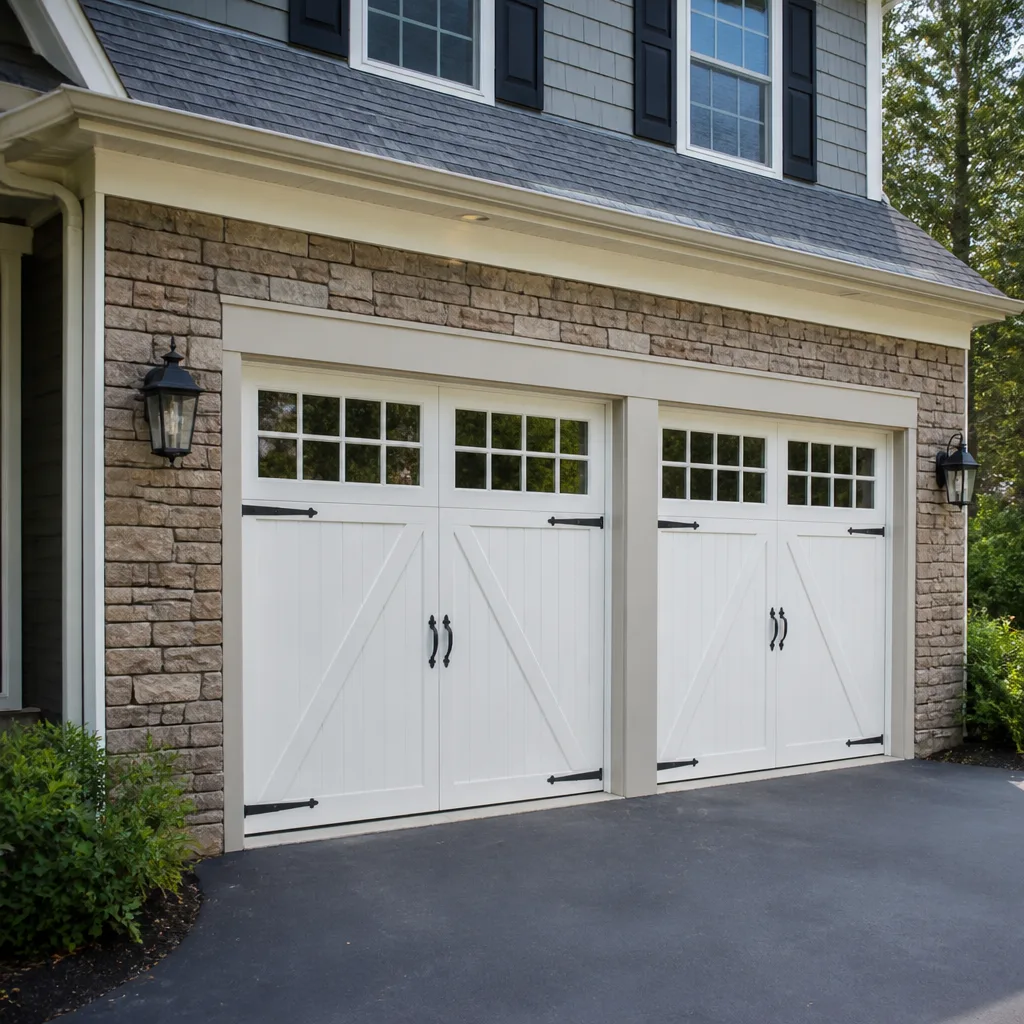 Carriage house
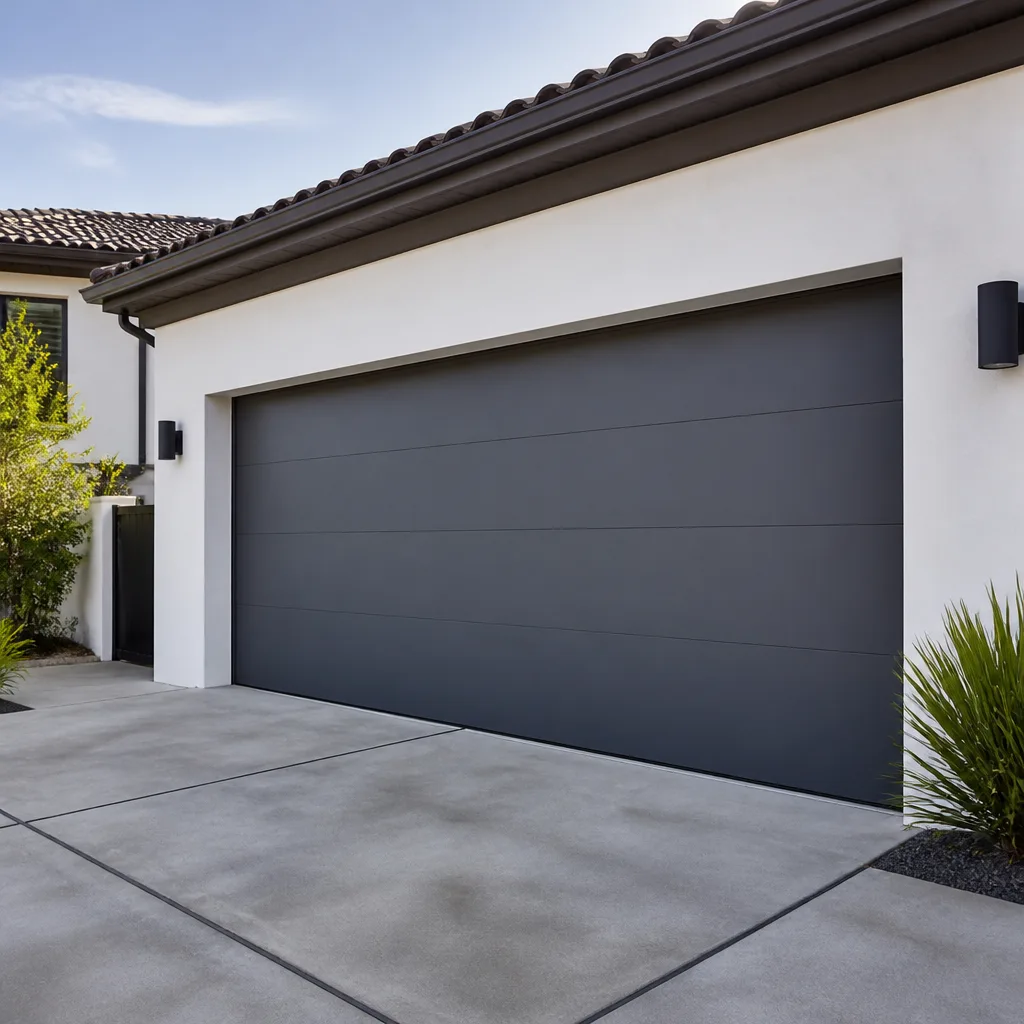 Modern flush
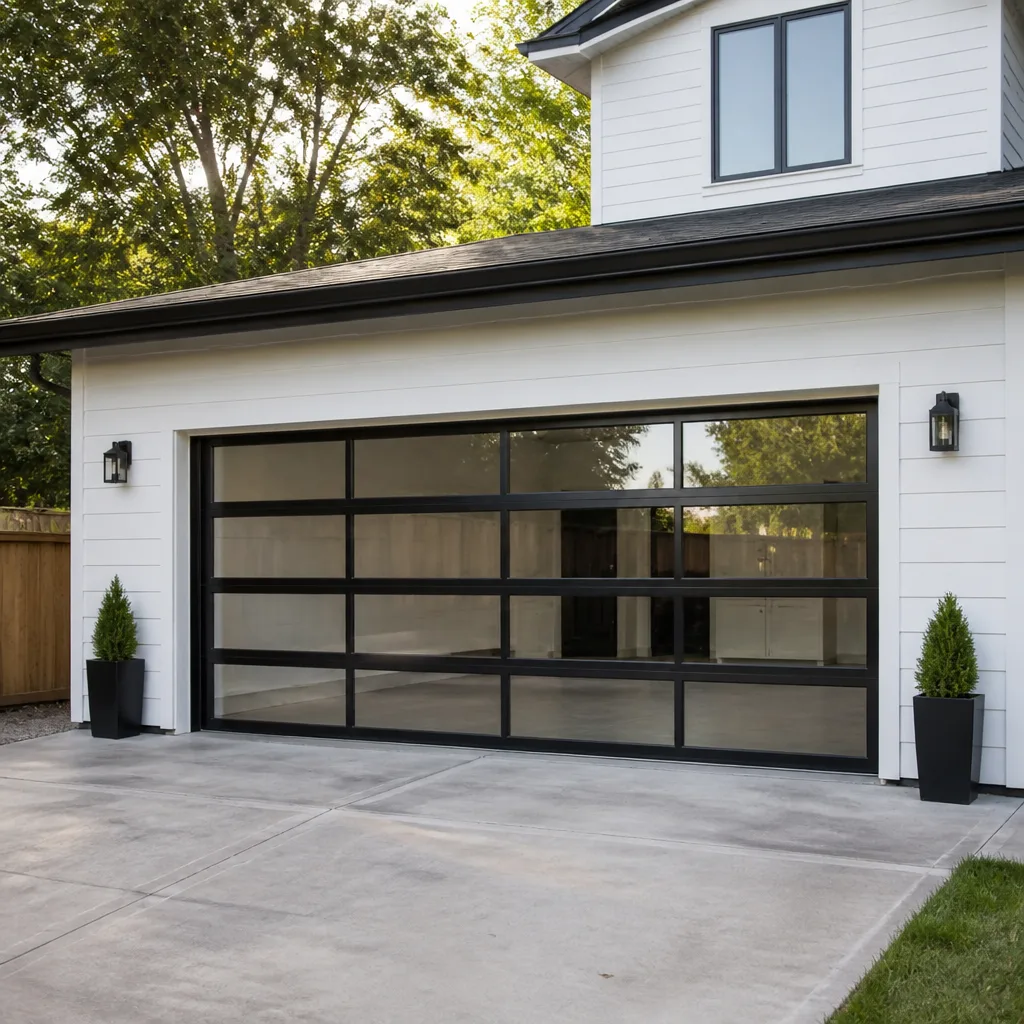 Full-view glass
 LiftMaster openers
 Chamberlain openers
Full 25-point door and opener safety check with every visit - springs, cables, rollers, tracks, and your LiftMaster or Chamberlain opener included
You get a price before we start. It does not change when the pro arrives.
Get your free estimateChoosing the Right Garage Door Brand: A Buyer’s Guide for Burnsville
Here’s something that surprises a lot of homeowners: a garage door rated at R-6 and one rated at R-18 look identical from the street. Same panels, same windows, same paint. But in a Burnsville winter, that gap shows up in two places. First, your heating bill. Second, in how hard your opener has to strain to break a seal that’s frozen solid to the concrete. Most brand recommendations you’ll read online are built around what’s easiest for the installer to sell or the biggest margin on the showroom floor. This guide does something different. We’re going to look at the major brands through the things that actually matter in Minnesota: how well they insulate, how their hardware holds up when it’s below zero, whether you can get parts without a week-long wait, steel thickness, and warranty terms written to be claimed rather than dodged. By the end, you’ll know how to compare brands on substance instead of marketing.
Quick Answer
There is no single best garage door brand for every Burnsville home. The right choice depends on your priorities: Clopay and Amarr tend to lead on insulation and thermal honesty, Wayne Dalton offers solid value for attached garages that aren’t heated, and opener brands like LiftMaster and Chamberlain are the safest bet for cold-weather reliability and parts availability. Match the door’s steel gauge, insulation type, and hardware to your garage’s real conditions, and you’ll get a door that lasts through Minnesota winters instead of fighting them.
Styles & brands we work with
- Raised-panel steel
- Carriage house
- Modern flush
- Full-view glass
- LiftMaster openers
- Chamberlain openers
Table of Contents
- Why brand matters more in Burnsville than most buyers realize
- How to read insulation claims without getting fooled
- Cold-weather hardware: rollers, hinges, and what actually fails
- Parts availability in the Twin Cities metro
- Steel gauge reality: 24-gauge vs. 25-gauge
- Warranty terms that matter vs. warranty language that doesn’t
- Matching your opener brand to your door
- A step-by-step way to choose your brand
Why Brand Matters More in Burnsville Than Most Buyers Realize
In a mild climate, a garage door is mostly about curb appeal. In Burnsville, it’s also a piece of building science. Your garage sits between the outside air and your living space, and a typical Minnesota winter pushes temperatures low enough to test every moving part on that door. Brand decides which of those parts you get.
The difference shows up in specifics. An attached garage that stays above freezing on a cold night means one thing for your home’s thermal envelope; a detached garage out back means something else entirely. A door chosen for the first job might be overkill for the second. That’s the trap in brand shopping: the name on the panel matters less than whether the brand’s product line was designed for the conditions you actually have.
We work on the brand you already have, and we’ve seen how the same nominal door performs differently depending on where it was installed and how well it was specified for the climate. That’s why this guide evaluates brands on four cold-climate axes:
- Insulation and thermal honesty (does the R-value mean anything real?)
- Hardware durability in sub-zero temperatures
- Local parts availability so you’re not waiting a week for a hinge
- Warranty terms you can actually claim
If you decide after reading this that you need help evaluating your current door, our garage door repair team can give you a straight assessment. Brand is a starting point, not a finish line.
How to Read Insulation Claims Without Getting Fooled
Insulation is where garage door marketing gets most creative. Nearly every premium door is sold on an R-value number, and nearly every one of those numbers is measured at the warmest point on the panel: the dead center of an insulated section. What the brochures don’t tell you is that heat doesn’t leak through the center of a panel. It leaks through the frame, the edges, the joints, and every piece of steel that runs from your warm side to the cold side. Engineers call this thermal bridging.
Here’s the practical way to think about it. A door can advertise an R-value of 18 while the frame around each panel sits at a much lower effective value. The number on the label isn’t a lie, but it isn’t the whole story either. When we assess a door for a Burnsville home, we look at what’s inside the panel as much as what the label says.
Three insulation types you’ll run into
- Polystyrene board – the entry level. Light, inexpensive, and fine for unheated or detached garages. Burnsville homes that only use the garage for storage and parking often do perfectly well here.
- Polyurethane foam – denser, higher R-value per inch, and better at holding that value across the panel. This is the standard choice for attached garages where the space above or beside the garage is conditioned living area.
- Full-panel bonded cores – where the insulation is glued to the steel across the whole panel rather than floating. Better thermal performance, but you’ll pay for it and you should confirm it’s what you’re actually buying.
Which brands are honest about this? In our experience, Clopay and Amarr publish clearer technical documentation on effective R-value versus panel-center R-value than most. That doesn’t guarantee every model in their lineup, but it’s a signal you can use during comparison. Ask any brand’s dealer for the effective R-value across the whole door assembly, not just the panel center. If they can’t answer, that tells you something too.
And a word on the cold-weather payoff: a well-insulated door reduces the load on your opener and keeps your garage warmer, but it doesn’t replace weatherstripping at the bottom and sides. If your seal is worn, even a high-R door will let the cold in. We often handle seal replacement as part of garage door spring repair and tune-ups because a frozen seal strains the whole system.
Cold-Weather Hardware: Rollers, Hinges, and What Actually Fails
This is the part of a door you never see until something breaks, and it’s where brand quality shows up fastest in a Minnesota winter. A garage door has dozens of moving parts: rollers, hinges, bearings, cables, and springs. Metallic parts contract in cold. Plastic parts can crack. Grease stiffens. The brand that specifies the right materials for cold climates earns its name.
Rollers
Steel rollers with nylon tires are the durable standard in cold weather. They roll more quietly, resist flat-spotting from a door that sits for long stretches, and hold up to repeated freeze-thaw cycles. Cheap all-plastic rollers and thin steel rollers can deform or seize. Brands like Clopay and Wayne Dalton commonly publish roller specifications on their premium lines, so you can check the material before you buy. Ask specifically: steel stem, nylon tire, sealed bearing. If a dealer can’t confirm, assume the base option.
Hinges and bearings
Standard hinges with steel plates and nylon bushings hold up better than stamped plastic-tab hinges in the cold. The stress here isn’t just temperature, it’s the added force of a stiff seal and a door that’s slightly out of balance. Hinges are the parts we replace most often on older doors, and non-cold-rated ones fail sooner in Burnsville than just about anywhere.
Springs and cables
We treat springs as their own category because they’re the highest-risk, most technically demanding piece of any door. A failing spring can cause serious injury, which is why we recommend a trained professional for anything that involves springs or cables. Here’s the cold-weather angle: springs lose lifting force in low temperatures, cables contract, and the combination overloads the opener. If your door feels heavier in January than it did in September, the spring is telling you something. That’s not a DIY repair. It’s a safety matter.
Parts Availability in the Twin Cities Metro
Here’s a factor no showroom sells on and every homeowner eventually cares about: when a common part fails, how long does it take to get the right one? In the Twin Cities metro, some brands have local distributor stock and some require a week or longer on components that should be easy to source. A door you can’t get parts for is a door that takes your car hostage.
What we’ve seen locally, and what to ask about:
- Clopay and Amarr have strong distribution across the Twin Cities, so common components like rollers, hinges, and bottom seals are usually accessible quickly through local suppliers.
- Wayne Dalton is widely stocked as well, and its parts network holds up for the models used in real homes.
- LiftMaster and Chamberlain openers are engineered with broadly compatible accessories, which means you’re rarely stuck waiting on a single proprietary part.
- Genie has solid parts coverage for common opener platforms, though specific legacy units can occasionally need a special order.
The takeaway for a Burnsville buyer: parts availability is a cold-climate concern because it affects how long your door stays down in the middle of a deep freeze. A brand with local stock is a brand that keeps your car accessible. If you’re evaluating an existing door and want to know whether parts are available, our team handles garage door opener repair and can check compatibility for the major platforms we work with.
Steel Gauge Reality: 24-Gauge vs. 25-Gauge
This sounds like a technical detail until you remember what lives in a Burnsville garage: a car, a bicycle, kids, a lawnmower, and occasionally everything that didn’t fit in the shed. Thin steel dents. Thick steel shrugs it off. The gauge number is how brands shorthand that difference.
The gauge system runs backward from what you’d expect. Lower number means thicker steel.
- 24-gauge steel is thicker and resists denting better than 25-gauge. It’s the more durable choice for a door that takes daily use, especially in a busy attached garage.
- 25-gauge steel is thinner and lighter. It costs less and can be fine for low-traffic or detached garages, but it dents more easily from a flung bike handle or a bad bump.
In a Minnesota context, gauge also interacts with hail. Burnsville sees hail in warm months, and a 25-gauge door is more susceptible to cosmetic damage that a 24-gauge door would shrug off. If you’re choosing a brand for the long haul, favor the brand and model line that publishes its gauge clearly and offers 24-gauge as an option on the door you’re considering. Ask for the gauge in writing. It’s a one-line answer that separates honest product lines from vague marketing.
A quick related note: thicker steel also handles the stress of a strained opener better. A heavy, well-built door driven by a reliable opener tends to outlast a flimsy door that needs replacement parts more often.
Warranty Terms That Matter vs. Warranty Language That Doesn’t
Every garage door brand advertises a warranty. Very few make it easy to use. The gap between “warranty-backed” and “warranty-claimable” is where a lot of homeowners get disappointed after a failure.
What matters in a warranty
- Clarity on labor vs. parts. Many brands warranty only the part, not the labor to install it. That can leave you paying the bill even when the warranty is valid.
- Lifetime coverage tied to specific components. Springs, hinges, and rollers often carry shorter terms than the door itself, and the small print matters more than the headline.
- Transferability if you sell the home. A Burnsville homeowner who may move wants a warranty that follows the door.
- A defined claims process. If the brand requires original installation by their own authorized dealer to honor a claim, you’ll need the paperwork.
What doesn’t matter as much as it used to
“Lifetime” on a door’s painted finish is common and rarely the failure you’ll actually face. A finish is easy to maintain and less prone to a claim denial than a hardware warranty. Focus your scrutiny on the components that fail in cold weather. That’s the coverage that earns its keep in Minnesota.
Across the brands we work with, Clopay and Amarr generally publish clearer warranty documents than most, while entry models from several brands carry shorter component terms than their premium siblings. Our advice: read the components section, not the headline, and keep every piece of paperwork from installation.
Matching Your Opener Brand to Your Door
Your door and opener are a system, and brand mismatch creates friction. Here’s what to know before you buy either.
Opener brands that perform in the cold
LiftMaster and Chamberlain are the two names we most often recommend for cold-weather reliability, and their app-connected units hold up well with modern smart-home setups. Genie is a solid choice too, with broad parts coverage for common platforms. Craftsman and Raynor also show up in Burnsville homes and are fine to keep as long as parts are available for your specific unit.
How to keep the system in balance
- Confirm your door’s weight and spring type before choosing an opener. A heavier insulated door needs a properly matched motor.
- Pick an opener with adjustable force settings so the cold season can be compensated for without straining the motor.
- Check compatibility with your door brand’s safety features, especially if a reversing system is involved.
- Verify local parts availability for the opener before installation.
We work on the brand you already have, which means we can diagnose an opener issue even if the door brand isn’t one we’d have recommended. Familiarity with the eight major brands means fewer return visits and the right part the first time. If you’re unsure whether your opener is compatible with a new door, reach out to our team for a quick check before you buy.
A Step-by-Step Way to Choose Your Brand
Here’s a practical process we’d suggest to any Burnsville homeowner evaluating a brand. Take it in order. Each step narrows the field.
- Define your garage’s conditions. Attached and heated? Attached but unheated? Detached? This decides how much insulation you actually need.
- Confirm the effective R-value. Ask the dealer for whole-assembly thermal performance, not just the panel-center number.
- Check the hardware spec. Steel stems, nylon tires, sealed bearings on rollers. Cold-rated hinges. If the spec sheet is vague, ask.
- Ask about local parts availability. For the specific model, not the brand in general. This determines how fast you’ll be back in business if something breaks.
- Get the steel gauge in writing. 24-gauge is the safer cold-climate choice; 25-gauge is fine for lighter use.
- Read the warranty components section. Focus on labor, springs, hinges, and transferability.
- Match the opener. Confirm the door’s weight and spring type, and check opener compatibility before you commit.
If you get through those seven steps, you’ll be comparing brands on substance instead of marketing. And when it’s time to install or repair, a specialist who works across the major brands can save you a second contractor. Our new-door installation team works with the most widely owned brands in the area, so the door you pick doesn’t have to come from the installer you pick.
Common Mistakes to Avoid
- Buying on R-value alone. The panel-center R-value is a sales number. Ask for the whole-assembly effective value, especially for a Burnsville winter.
- Ignoring thermal bridging. Look at the frame and edges, not just the insulated panel. Heat leaks around the door, not through the middle of it.
- Skipping the hardware spec. Cheap rollers and hinges will fail faster in cold weather. Ask about steel stems, nylon tires, and sealed bearings.
- Not asking about local parts. A brand with no Twin Cities stock can leave your door stranded for a week when a common part fails.
- Assuming “lifetime” means everything. Read the components section of the warranty and confirm which parts and labor are actually covered.
- Mismatching door and opener weight. A heavy door on an underpowered opener is a recipe for strained springs and repeated repairs, so confirm the pairing before you buy.
- Over-spec’ing a detached garage. You don’t need an R-18 door for a storage-only detached garage. Spend the difference where it counts, and use a proper cold-weather seal regardless.
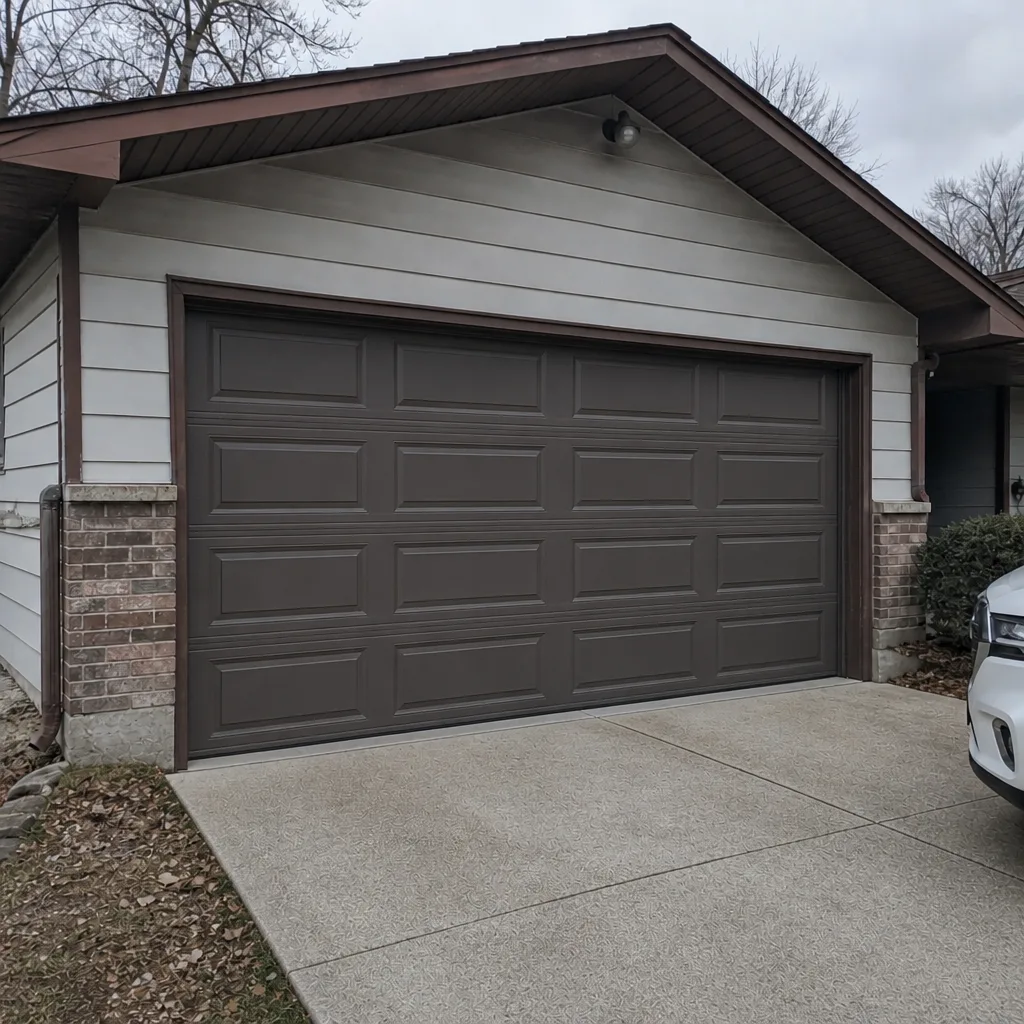
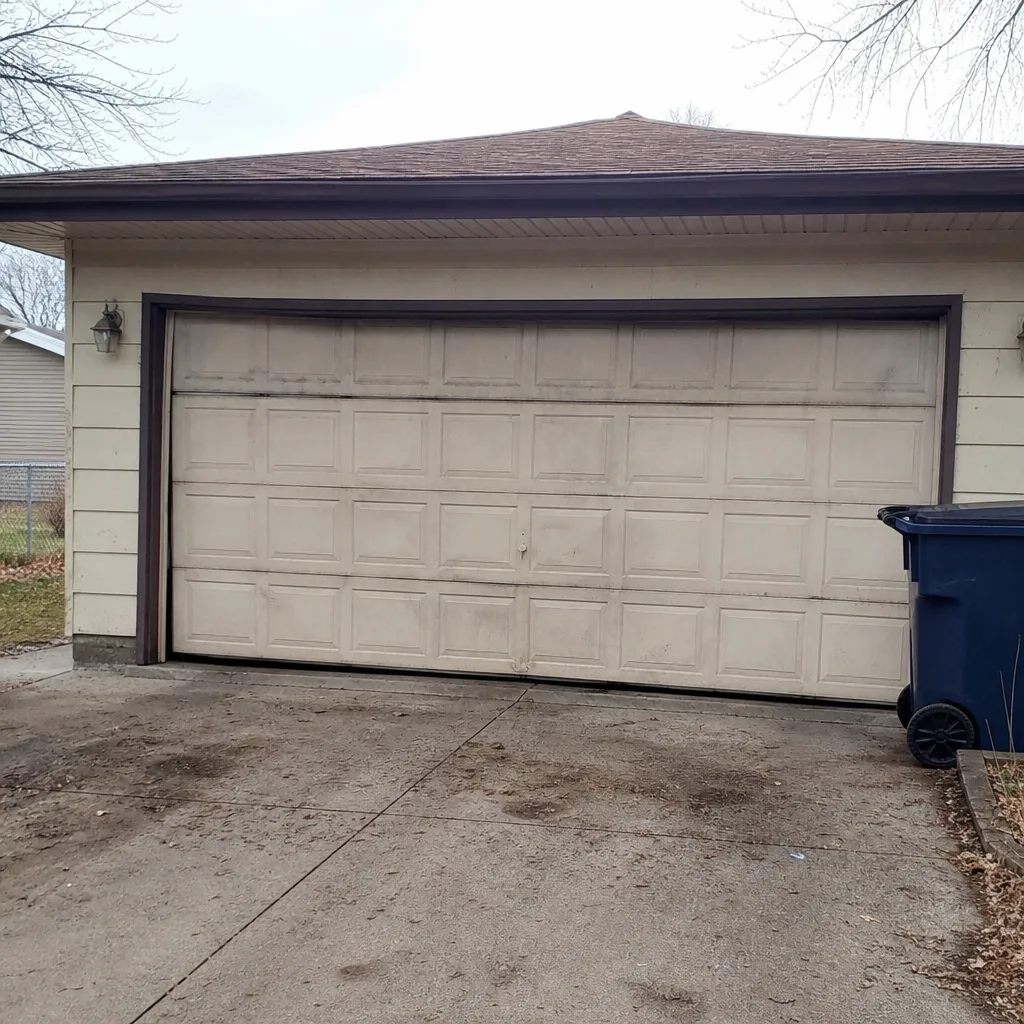
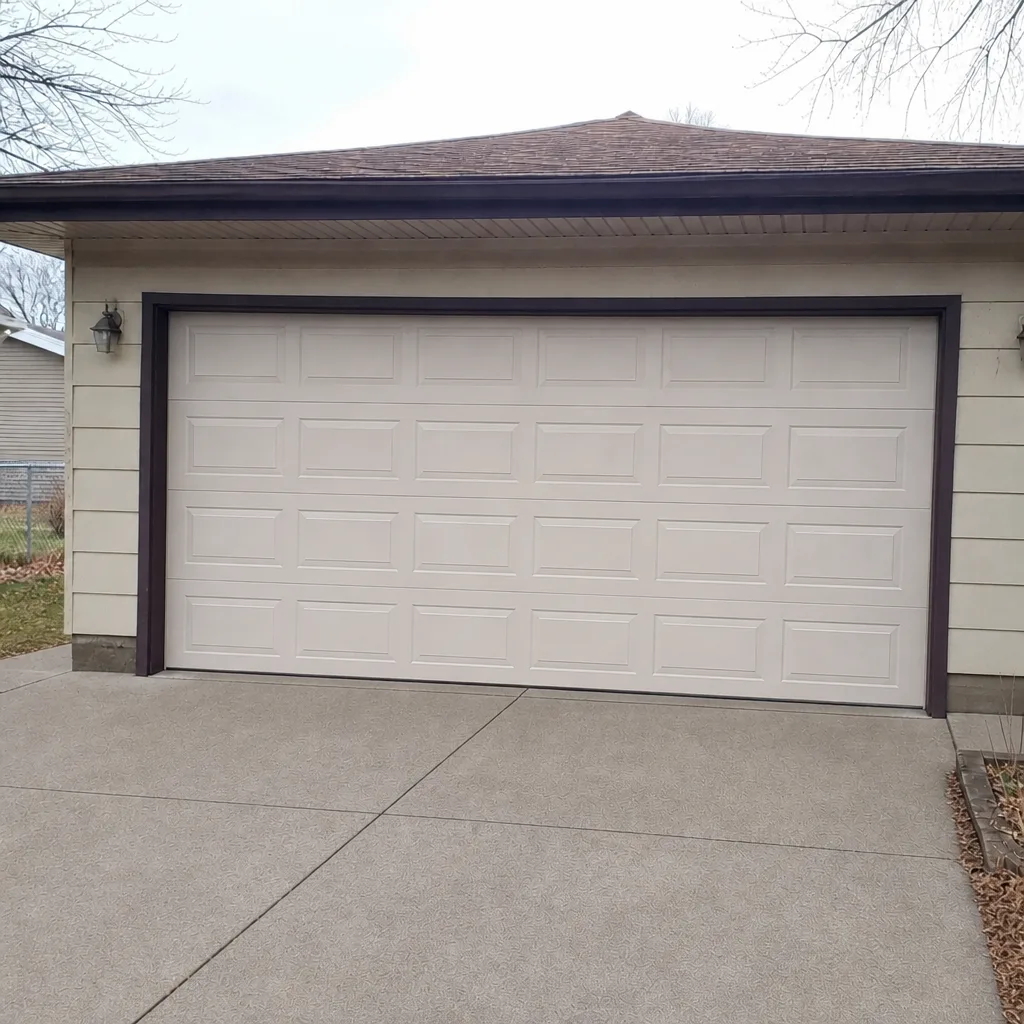
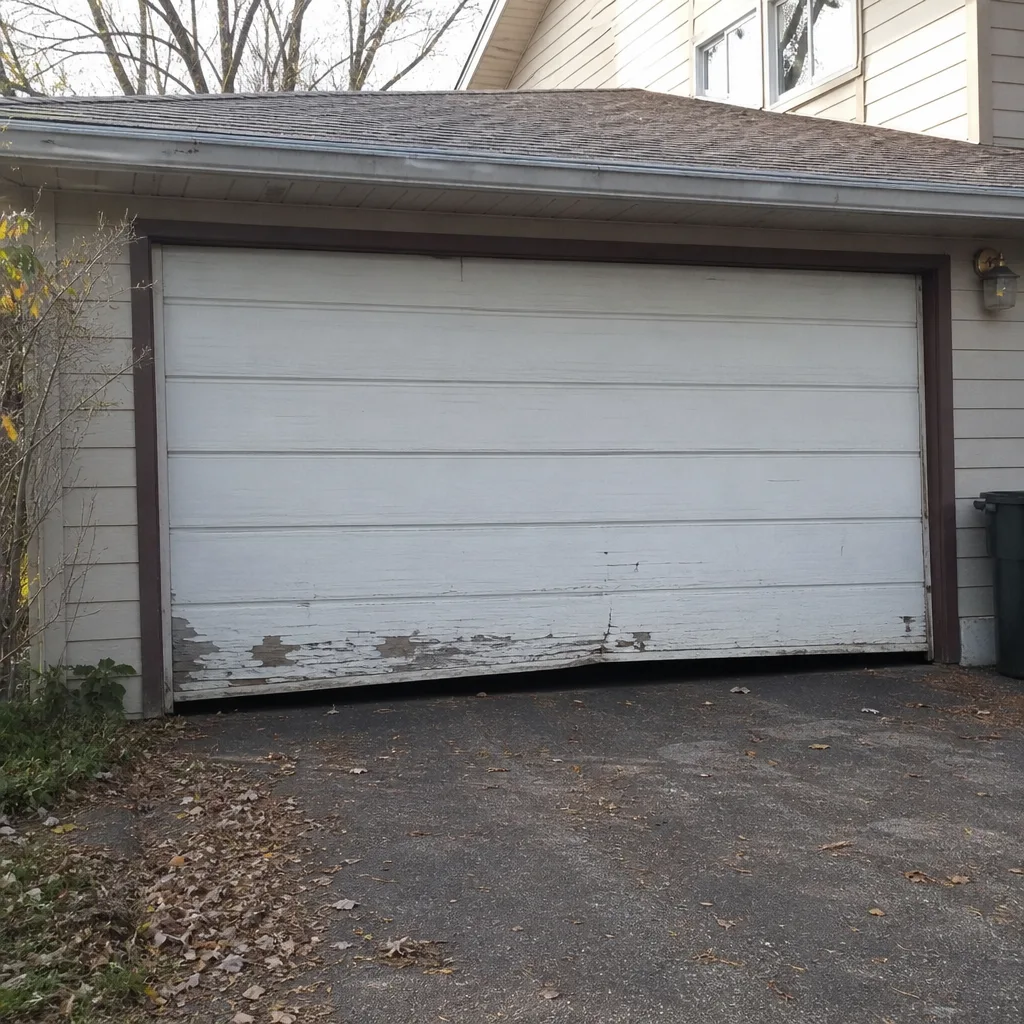
See the difference
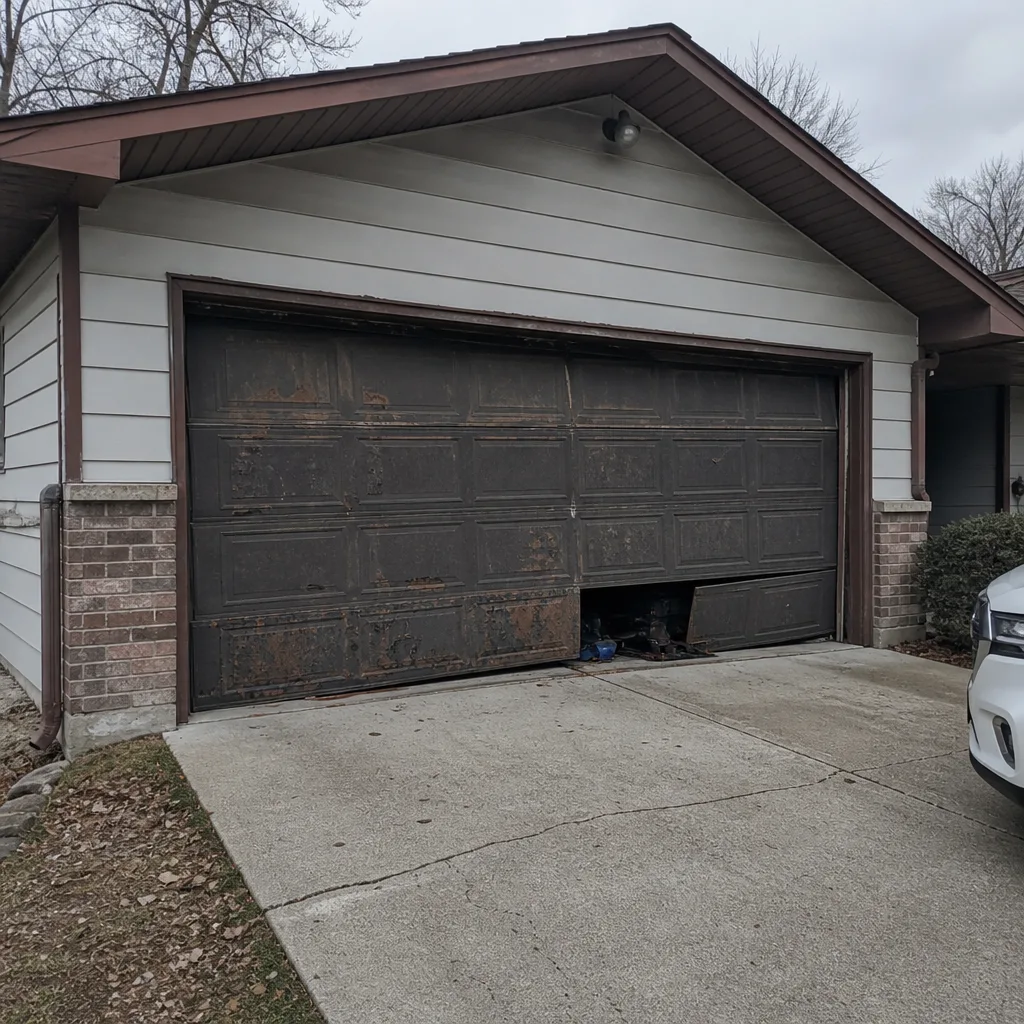 Before
 After
 Before
 After
 Before
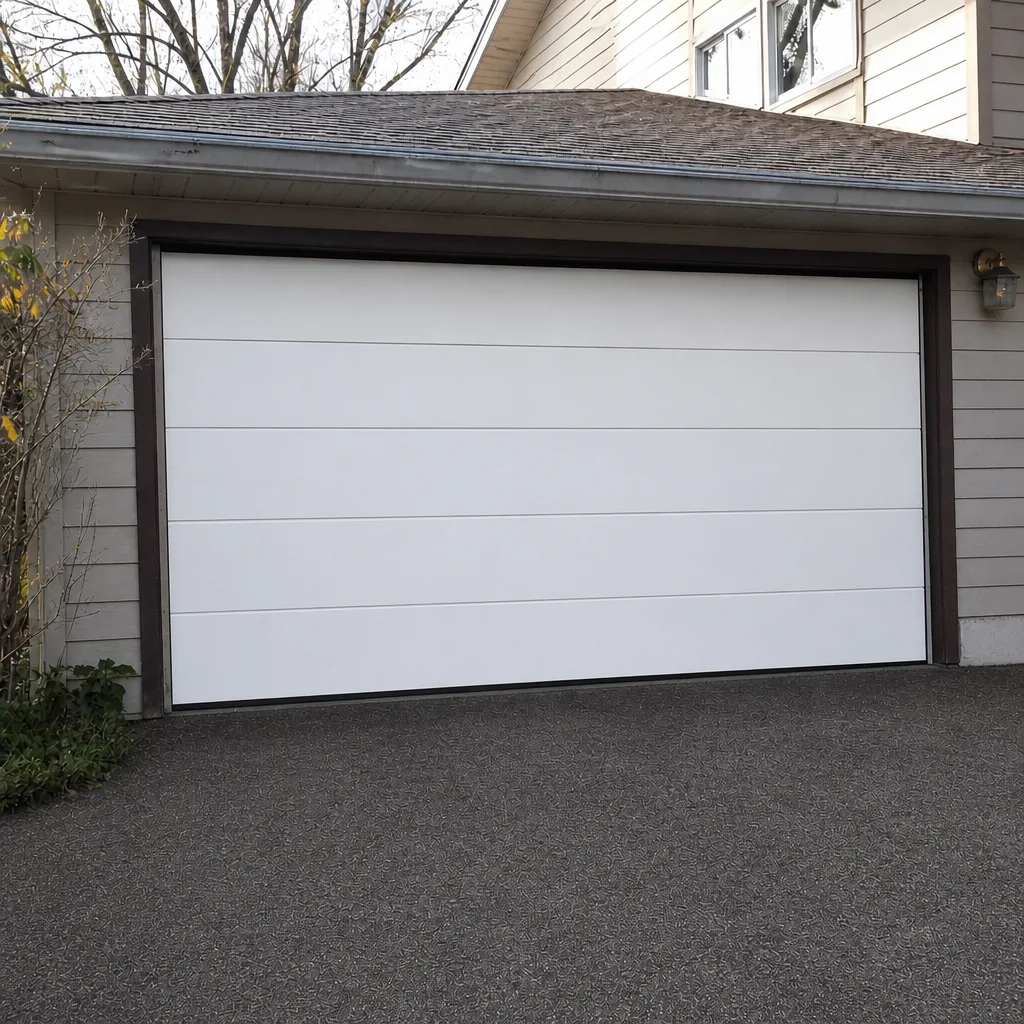 After
When to Call a Professional
Some decisions are best made with a technician standing in your garage. That includes any assessment of a failing spring or cable, an opener that won’t reverse, a door that’s come off track, or a new door you’re about to order and want verified against the realities of your existing opening. It also includes the case where you just aren’t sure what brand or model you’re dealing with and want a straight answer before spending money.
Burnsville Garage Door Repair Co offers free estimates in Burnsville. Call (855) 560-7429. Our technicians have up to 9 years of experience working on the major door and opener brands in the area, and we’re glad to give you a plain assessment of what’s worth repairing versus what’s worth replacing. Emergency service is standard, not a premium tier, so if your door fails in a Minnesota cold snap, you’re not stuck waiting for the next regular appointment. And on any job, the price we quote is agreed before work begins, so there’s no surprise on the invoice. If you want a fuller picture of what we cover, this Burnsville Garage Door Repair Co overview is a good place to start.
Frequently Asked Questions
There’s no single best brand for every Burnsville home, but Clopay and Amarr lead on insulation honesty and cold-weather hardware specs, while LiftMaster and Chamberlain are strong choices for openers. The right answer depends on whether your garage is attached and heated, what steel gauge you need, and how quickly you can source parts locally. For an exact recommendation, call (855) 560-7429 for a free estimate.
It depends on your garage. For an attached garage next to conditioned living space, a higher effective R-value is usually worth it because it reduces heat loss and eases the load on your opener. For a detached, storage-only garage, a mid-range insulated door is usually sufficient. Call us for a free estimate so we can match the R-value to your actual garage.
A precise price depends on door size, insulation, materials, and opener compatibility. We won’t guess at a number; we’ll give you a written quote after measuring your opening. The price we quote is the price you pay. Call (855) 560-7429 and we’ll set up a free estimate.
Yes, in most cases. We work on the brand you already have, with hands-on fluency across LiftMaster, Chamberlain, Genie, Clopay, Amarr, Wayne Dalton, Craftsman, and Raynor. If your door or opener is outside that list, call (855) 560-7429 and we’ll tell you honestly whether we can help.
That varies by brand and by component. Local distributor stock in the Twin Cities generally means common parts are accessible quickly, while some special-order components take longer. We work with brands whose parts network holds up locally. Call (855) 560-7429 for an exact quote on the part you need.
The local professionals we connect you with are licensed and insured as their state requires. We vet the professionals we work with, and we’re glad to answer questions about credentials before any job begins. Call (855) 560-7429 for a free estimate and to ask anything you need to know.
No. We quote a price and agree on it before any work starts, and that quoted price is the price you pay. If we discover something during the job that changes the scope, we stop and talk with you before proceeding. Call (855) 560-7429 for a free estimate.
The Bottom Line
Brand matters, but not in the way the brochures suggest. For a Burnsville home, the brands worth your attention are the ones that are honest about insulation, spec cold-rated hardware, stock parts locally in the Twin Cities, publish their steel gauge, and back up their warranties with clear components language. Clopay and Amarr lead on thermal transparency, Wayne Dalton is a solid value choice for attached garages that aren’t heated, and LiftMaster and Chamberlain are the safest bets for openers. Match the door to your real conditions, verify the specs in writing, and choose a specialist who works across the major brands so you’re not locked into one installer’s inventory. If you want help comparing options or getting a door repaired, call Burnsville Garage Door Repair Co at (855) 560-7429. Free estimates, a price agreed before work starts, and repairs done with the right part for your specific system.
Written by the team at Burnsville Garage Door Repair Co.