Last updated November 22, 2026
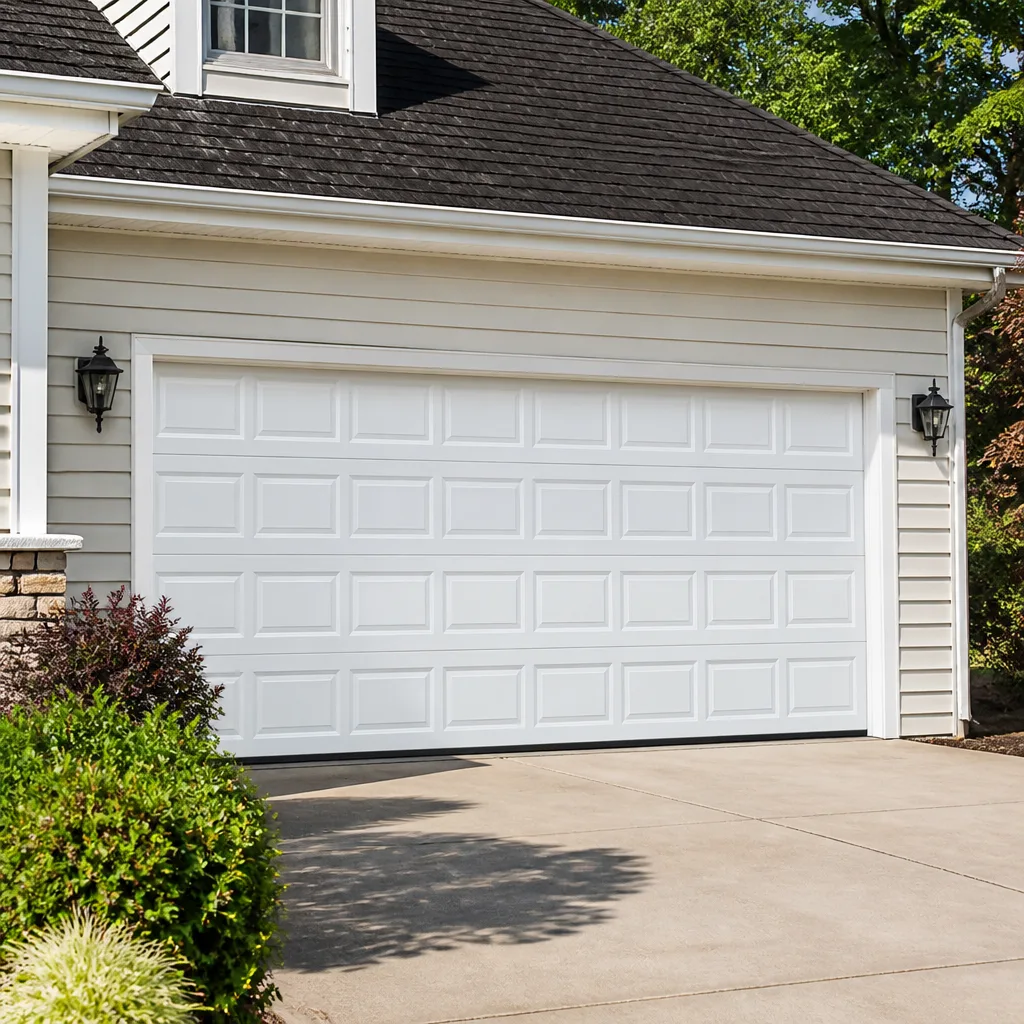 Raised-panel steel
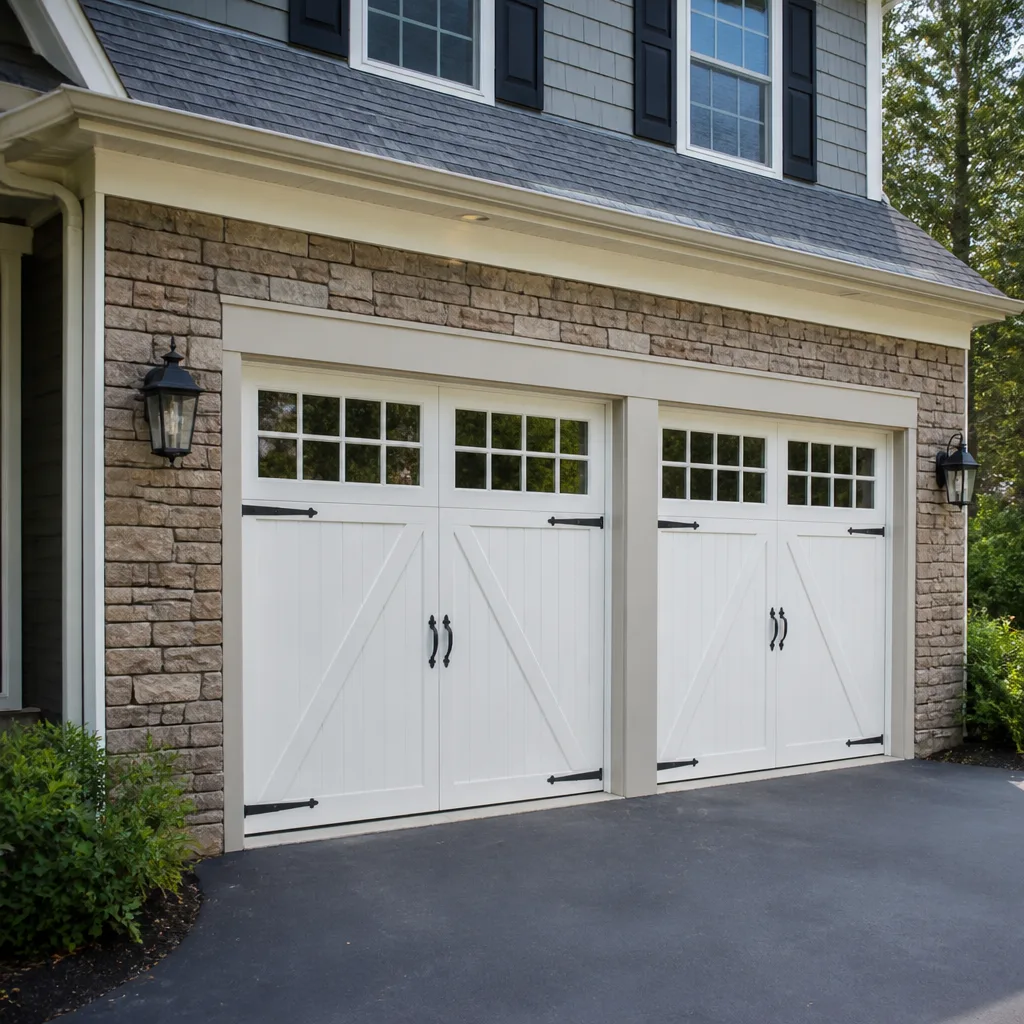 Carriage house
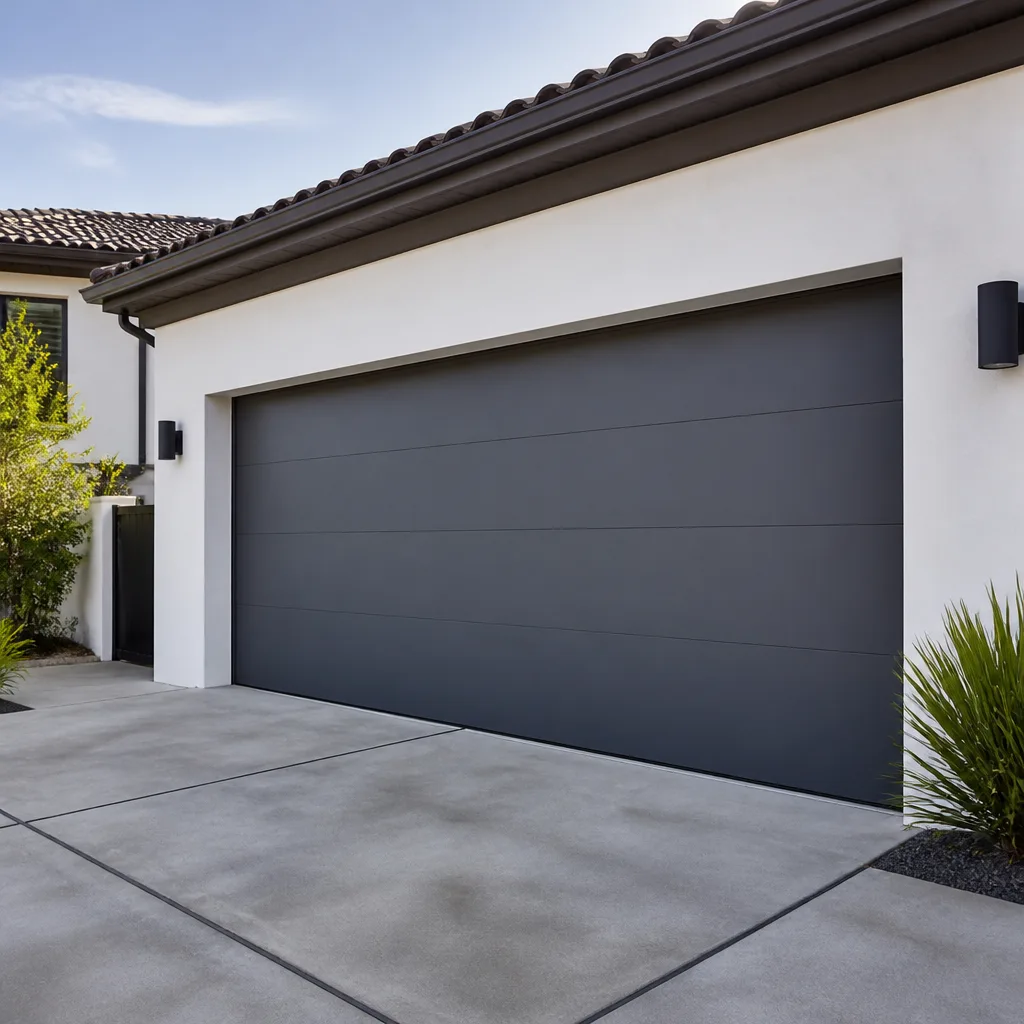 Modern flush
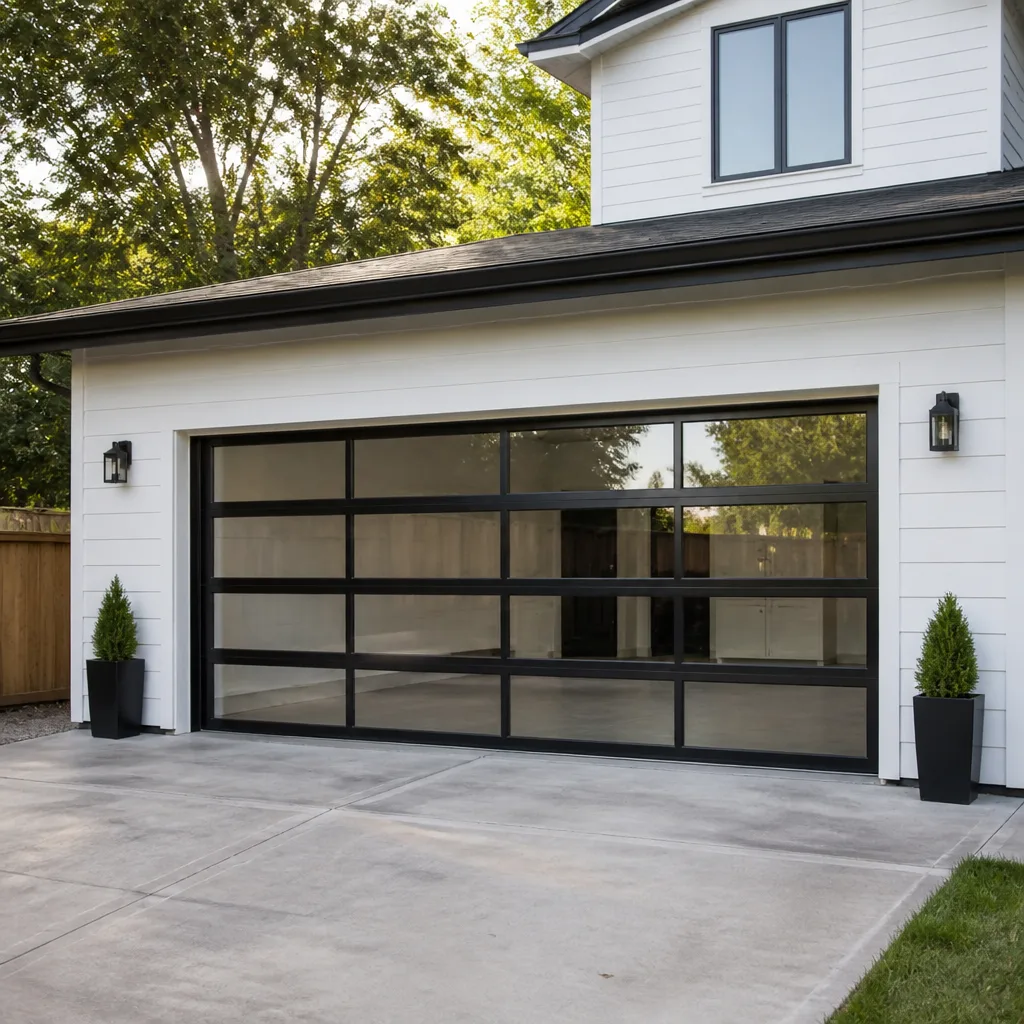 Full-view glass
 LiftMaster openers
 Chamberlain openers
Full 25-point door and opener safety check with every visit - springs, cables, rollers, tracks, and your LiftMaster or Chamberlain opener included
You get a price before we start. It does not change when the pro arrives.
Get your free estimateGarage Door Repair Maintenance Schedule: What to Do and When
Most maintenance guides tell you to lubricate everything twice a year. What they don’t tell you is that over-lubricating nylon rollers or using the wrong product on a belt-drive opener causes more problems than it prevents. We’ve seen doors that were “maintained” into an early failure – sticky rollers packed with grease that attracted grit, a belt-drive opener gummed up with white lithium until it slipped. Real maintenance isn’t a long ritual. It’s knowing the three or four things that actually cause most failures and doing those on a predictable cadence. This guide lays out that short list, plus a monthly balance test and a calendar built for Burnsville’s seasons.
Quick Answer
The core of a garage door maintenance schedule is a 90-second balance test once a month, lubrication of the springs, hinges, and tracks two to three times a year, and a visual inspection of cables, rollers, and hardware each season. In Burnsville, the biggest failure windows are the first hard freeze of late fall and the freeze-thaw weeks of early spring, so plan your heavier checks for October and March. Everything else on a typical 20-step checklist is either unnecessary or a job for a technician.
Styles & brands we work with
- Raised-panel steel
- Carriage house
- Modern flush
- Full-view glass
- LiftMaster openers
- Chamberlain openers
Table of Contents
- The 90-Second Monthly Balance Test That Catches a Failing Spring
- What to Lubricate, What Not To, and Which Product Goes Where
- Your Burnsville Seasonal Maintenance Calendar
- What Minnesota Temperature Swings Do to Hardware Timelines
- Homeowner Maintenance vs. Technician Maintenance
- Rollers, Cables, and Hinges: The Wear-Parts Rotation
- Opener Care: What a Chain, Screw, or Belt Drive Actually Needs
- Common Mistakes to Avoid
- When to Call a Professional
- Frequently Asked Questions
- The Bottom Line
The 90-Second Monthly Balance Test That Catches a Failing Spring
The single most useful thing a homeowner can do for a garage door takes about 90 seconds and doesn’t involve any tools. It’s called the balance test, and it’s the best early warning you’ll get that a torsion spring is weakening before it snaps.
Here’s how it works:
- Close the door fully, then pull the opener’s release cord so the door is disconnected from the motor (on most openers this is the red handle hanging from the rail).
- Lift the door by hand to about waist height, then let go.
- Watch what happens. A healthy door should hold its position, or drift only an inch or two. A door that sags back down or drops on its own is telling you the springs are no longer carrying their share of the weight.
- Reconnect the door by running the opener until the trolley re-engages the release arm.
Do this once a month. When a door starts failing the balance test, you usually have a window of weeks, not days, before the spring breaks outright. That’s worth catching early – a torsion spring that snaps at seven in the morning on a -15 degree Burnsville day leaves you blocked in, and the repair is no cheaper for having been a surprise.
One safety note here: the balance test is observation only. Never try to adjust spring tension or wind a torsion spring yourself. A wound torsion spring stores enough energy to do serious damage to hands and arms, and a snapped extension spring can send hardware across the garage. That work belongs to a trained technician, and our garage door spring repair service treats springs as the most dangerous component in the system – because they are.
A door that fails the balance test still opens, but it’s loading the opener motor with weight it wasn’t designed to lift. Left alone, that turns a spring repair into a spring repair plus an garage door opener repair. The test is free. The chain reaction isn’t.
What to Lubricate, What Not To, and Which Product Goes Where
Lubrication is where most maintenance advice goes wrong. The instinct to grease everything liberally does real damage to specific components. Here’s the short list of what actually benefits from lubrication, what should stay dry, and the right product for each.
Do lubricate
- Torsion springs and extension springs: a light coat of garage-door-specific spray lubricant reduces coil friction. This does not prevent spring breakage, but it quiets them and slows surface rust.
- Hinges: a few drops of spray lubricant at each hinge pivot point. Hinges are the most frequently overlooked wear item on a door.
- Roller stems and bearings (metal rollers only): the shaft where the roller meets its bracket benefits from a light spray. Don’t saturate the roller itself.
- Track corners and curves: a thin film on the inside curve where rollers transition from vertical to horizontal track, not the full length of the track.
Don’t lubricate
- Nylon rollers: skip the lubricant entirely. Nylon is self-lubricating, and spraying it attracts dust and grit that grinds the roller down faster. If a nylon roller is squeaking, it’s wearing out, not drying out.
- Belt-drive opener belts: never lubricate these. A belt-drive Genie or Chamberlain unit runs quiet precisely because the belt is dry. Lubricant makes it slip and squeal.
- Tracks (most of the length): a heavy coat of grease on the full track collects road dust, salt residue, and grit, turning into a paste that gums up rollers. Keep tracks clean and dry, with only a thin film on the corners.
- Photo-eye lenses: clean with a dry cloth, never a lubricant or solvent. A smeared lens is a leading cause of the opener refusing to close.
For a product recommendation, use a purpose-made garage door spray lubricant (often labeled as a silicone or lithium-complex door lubricant) rather than general-purpose WD-40, which is a solvent and displaces lubricant rather than providing it. Two to three applications a year is enough. More isn’t better; it’s just more grit to collect.
Your Burnsville Seasonal Maintenance Calendar
“Twice a year” is not a schedule. It’s a shrug. A real maintenance calendar is tied to when failures actually happen in this climate, and around Burnsville the failure windows are predictable. Here’s the cadence we recommend, month by month.
October: the pre-winter check
Before the first hard freeze, do the balance test, lubricate springs and hinges, and clear the tracks of summer grit. This is the most important maintenance window of the year. A weakening spring that survives October’s check gets flagged before it meets the coldest weeks of January, when a break is most disruptive. If your door is a Clopay or Amarr steel model with a heavy insulated panel, pay extra attention to spring condition – heavier doors put more strain on them.
November through February: monthly balance test only
Once the cold sets in, your only routine duty is the monthly balance test and a visual look at the door. Don’t grease anything in sub-freezing temperatures; lubricant thickens and can make things worse. If a door starts feeling sluggish or sounds different, note it and call.
March: the thaw check
The freeze-thaw cycle of early spring is the second big failure window. As temperatures bounce above and below freezing, metal contracts and expands, and hardware that loosened over winter starts to show. Do a full visual inspection of hinges, roller brackets, and the opener rail, plus a balance test. Clean the tracks of the salt-and-sand residue that tracked in over winter.
June: the mid-year tune
A lighter pass – lubricate hinges and springs again, check the photo-eye alignment, and test the opener’s safety reverse (more on that below). Summer is the low-stress season for door failures, so it’s a good time to catch small issues before they become cold-weather emergencies.
That’s four touchpoints across a year, not twenty. For a deeper look at how we approach repairs versus routine care, see our garage door repair page.
What Minnesota Temperature Swings Do to Hardware Timelines
National maintenance advice is written for a climate that swings maybe 50 degrees across the year. The Twin Cities swing is closer to 100 degrees between a July afternoon and a January morning. That difference changes the timeline on almost every wear part, and it’s why a maintenance schedule built for Burnsville can’t just copy what a national chain recommends.
Here’s what the swings actually do:
- Metal fatigue is faster. A steel hinge or bracket that cycles through constant expansion and contraction of a 100-degree swing fatigues sooner than the same part in a moderate climate. Hinge replacement intervals shrink. That’s the main reason we flag hinges at every tune-up.
- Springs see more cycles. Cold makes steel more brittle, and a spring that’s already at the end of its cycle count is far likelier to snap on a sub-zero morning than on a mild day. Cold-weather spring failures cluster in exactly the weeks when a broken door is most disruptive.
- Road salt and sand find their way in. What gets tracked into a Burnsville garage over winter isn’t just dirt – it’s road treatment that settles into roller tracks and hinge pivots. Left over the season, it accelerates corrosion on steel hardware and grinds rollers down. A spring cleaning of the tracks matters more here than the generic advice suggests.
- Wood and composite doors move. A wood door, or a composite like many Wayne Dalton models, expands and contracts more here than in a stable climate. That movement loosens fasteners and can bind tracks. Checking the door’s fit is part of a winter check.
The practical takeaway is to shorten the interval on wear parts compared to what the manufacturer’s general advice suggests. Where a national guide says inspect hinges yearly, in Burnsville we’d say check them twice a year – once before winter and once after. The same goes for roller condition. Our technicians have up to 9 years of experience working on exactly this kind of seasonal wear, and the pattern is consistent: hardware that would last years elsewhere wears out faster here.
None of this is alarmist. A well-maintained door handles Minnesota fine. The point is that the timeline is compressed, so a schedule tuned to national averages leaves you behind.
Homeowner Maintenance vs. Technician Maintenance
Most “call a professional” language is liability boilerplate. We’d rather give you the honest line, because a homeowner who understands which jobs are safe can handle a good chunk of their own maintenance – and that frees up the technician visit for the things that actually matter.
Safe for a homeowner
- The monthly balance test (observation only).
- Lubricating springs, hinges, and roller stems with the right spray lubricant.
- Cleaning tracks of grit with a dry cloth or brush.
- Checking the opener’s safety reverse test (placing an object in the door’s path and confirming it reverses).
- Visual inspection of rollers, cables, and hinges for obvious wear, fraying, or looseness – looking, not adjusting.
- Testing the photo-eye by waving an object in front of it and confirming the door reverses.
Leave to a technician
- Anything involving torsion or extension spring adjustment or replacement. This is the dangerous one, and it’s why we separate it clearly. A wound spring is a stored-energy device.
- Cable replacement. Cables are under high tension and a snapped cable can whip with serious force.
- Track realignment or bracket repair. This requires understanding the door’s balance and can be dangerous if done with the door under tension.
- Opener motor and gear replacement. Diagnosing a failing opener is fine to try; repairing the drive train is not.
- Roller replacement on a door under load – the door needs to be properly supported first.
The reasoning isn’t liability, it’s physics. Springs and cables carry energy that stays stored even with the opener disconnected. When something lets go wrong, it lets go fast. Everything on the safe list can be done with the door closed or disconnected and carries no stored-energy risk. That’s the real dividing line.
When you do need a technician, our Burnsville Garage Door Repair Co team handles the whole scope, from routine tune-ups to springs and full replacements, so you’re not bouncing between contractors.
Rollers, Cables, and Hinges: The Wear-Parts Rotation
Every component on a garage door has a service life, and they don’t all come due at once. Knowing roughly when each is due helps you budget and helps you spot a problem early. Here’s the rotation, with the caveat that Burnsville’s temperature swings compress these intervals.
- Rollers: the most frequently replaced part. Steel rollers last longer than nylon but are noisier; nylon rollers run quieter but wear faster, especially when over-lubricated and grit-loaded. Check them at every seasonal tune-up. A roller that wobbles, cracks, or has a flat spot needs replacing.
- Hinges: the pivot points take constant load and benefit from lubrication. In this climate, check twice a year for looseness and worn pins. A squeaking hinge is usually early warning, not a crisis.
- Cables: these should be inspected visually at every check for fraying, kinks, or slack. Never adjust or replace them yourself – that’s technician territory. A frayed cable is a genuine safety issue and should be addressed before the door is used again.
- Springs: the highest-failure-rate component, and the one that gets the most attention because a broken spring stops the door cold. A balance test once a month is your best early detection.
The pattern to remember: rollers and hinges wear out gradually and are safe to spot early; cables and springs fail suddenly and are never a homeowner job. Our garage door spring repair specialty exists because spring failure is both the most common and the most dangerous repair, and it deserves someone who does it routinely rather than occasionally.
If you’re not sure whether a component is worn enough to replace, that’s a fine reason to call and ask. A short conversation or a quick look is cheaper than guessing wrong.
Opener Care: What a Chain, Screw, or Belt Drive Actually Needs
Your opener needs less maintenance than the door, but it needs the right kind. And the right kind depends on the drive type, which most generic advice ignores.
- Chain-drive (common on older LiftMaster and Craftsman units): the chain needs occasional light lubrication, and the tension should be checked. A sagging or overly tight chain strains the motor. This is the one drive type where the “lubricate it” advice mostly holds.
- Belt-drive (common on newer Genie and Chamberlain quiet models): keep the belt dry. No lubricant. Check tension and listen for slipping, which usually points to a worn belt rather than a lubrication problem.
- Screw-drive: the screw needs a specific lubricant (usually a lithium grease), not a general spray. Many homeowners skip this and the screw wears prematurely.
Beyond the drive train, there are two things every opener benefits from, regardless of brand:
- A monthly safety reverse test – place a roll of paper towels or a small box in the door’s path and confirm the door reverses on contact. If it doesn’t reverse, stop using the opener and get it serviced. This is a safety function, not a convenience.
- A photo-eye test – wave an object in front of one of the sensors and confirm the door reverses. Clean the lenses with a dry cloth. Misaligned or dirty photo-eyes cause more “my door won’t close” service calls than any motor failure.
Our garage door opener repair covers all of the major drive types on the brands we work with, so a failing opener doesn’t mean a brand-specific runaround. If your unit is failing, the fix is usually the right part – a gear, a belt, a logic board – for your specific system.
Common Mistakes to Avoid
These are the errors we see most often, and each one is easy to avoid once you know it.
- Over-lubricating nylon rollers. Spraying nylon rollers is the most common maintenance mistake. Nylon is self-lubricating; adding lubricant attracts grit that grinds the roller down. Leave nylon rollers dry.
- Greasing the full length of the tracks. A greased track collects road dust and salt residue into a paste that gums up the rollers. Keep tracks clean and dry, with only a light film at the corners.
- Lubricating a belt-drive opener belt. A belt-drive Genie or Chamberlain runs quiet because the belt is dry. Lubricant makes it slip and squeal – the opposite of the intent.
- Skipping the balance test because the door still opens. A door that opens but fails the balance test is quietly overloading the opener. Catching it early is the whole point of the test.
- Ignoring winter road salt in the tracks. In Burnsville, the salt and sand tracked in over winter settle into tracks and pivots and accelerate corrosion. A spring cleaning of the tracks is not optional here.
- Adjusting cables or springs yourself. These are under stored tension, and a mistake can cause serious injury. Anything that involves winding a spring or touching a cable is technician work.
- Following national timing on wear parts. A climate that swings 100 degrees wears hardware faster than the national average. Check hinges and rollers twice a year here, not once.
When to Call a Professional
Most maintenance is safe for a homeowner to handle between professional visits. But there are specific situations where calling a technician is the right move, not an upsell. Call when:
- A balance test fails and doesn’t recover – a weakening spring is on borrowed time.
- You hear a loud bang from the garage and the door suddenly won’t lift.
- A cable looks frayed, kinked, or slack.
- The door is crooked, binding, or off its tracks.
- The opener runs but the door doesn’t move, or the motor hums without lifting.
- The safety reverse or photo-eye fails its monthly test.
For all of these, we treat the visit as an opportunity to fix the problem, not to sell you a new door. Burnsville Garage Door Repair Co offers free estimates in Burnsville – call (855) 560-7429 and we’ll give you a straight answer on what’s wrong and what it takes to fix it.
Frequently Asked Questions
Once a month, and it takes about 90 seconds. Disconnect the door from the opener, lift it to waist height, and let go – a healthy door holds or drifts only slightly, while a door that drops is signaling a weakening spring. In Burnsville, do the test religiously through the cold months, when a failing spring is most likely to break. If a test fails, call (855) 560-7429 for a free estimate.
No. Nylon rollers are self-lubricating, and adding lubricant attracts grit that grinds them down faster. Lubricate metal roller stems and hinges instead, and leave nylon rollers dry. If a nylon roller is squeaking, it’s worn out, not dry.
It compresses it. The Twin Cities swing about 100 degrees between summer and winter, which fatigues metal faster and makes cold steel brittle, so wear parts like hinges and springs need checking more often than national advice suggests. Add road salt tracked into the tracks, and a twice-yearly hardware check becomes the reasonable minimum in Burnsville.
Anything with stored energy – springs and cables – is technician work, and the reason is physics, not liability. A wound torsion spring stores enough energy to cause serious injury, and a snapped cable can whip with force. Lubrication, cleaning, the balance test, and visual checks are all safe for a homeowner.
It’s worth addressing soon rather than waiting for a break. A door that opens but fails the balance test means the springs are carrying less than they should, and the opener is lifting the difference – which wears the motor. You usually have weeks, not months, before a spring goes. Call (855) 560-7429 to schedule a look.
We work on LiftMaster, Chamberlain, Genie, Clopay, Amarr, Wayne Dalton, Craftsman, and Raynor – the widely-owned systems in most homes. That means we diagnose faster and carry the right part for your specific system. If you have a brand outside that list, call and ask before booking.
The Bottom Line
Garage door maintenance isn’t a 20-step ritual. It’s four things done on a predictable cadence: a 90-second balance test once a month, lubrication of springs and hinges two to three times a year (but not nylon rollers or belt-drive belts), a seasonal visual check of cables, rollers, and hinges, and a heavier pre-winter and post-winter check tuned to Burnsville’s big temperature swings. The parts that fail suddenly – springs and cables – are never a homeowner job. Everything else, done on schedule, keeps your door working and catches small problems before they become cold-weather emergencies. When in doubt, our team is a call away.
Contact
Whether you need a routine tune-up, a spring replaced, or an opener diagnosed, Burnsville Garage Door Repair Co is ready to help. We work on the brand you already have, from Genie and Chamberlain openers to Clopay, Amarr, and Wayne Dalton doors, and we offer emergency service when a door failure can’t wait. Call (855) 560-7429 for a free estimate in Burnsville and we’ll get your door back on track.
Written by the team at Burnsville Garage Door Repair Co.
See the difference
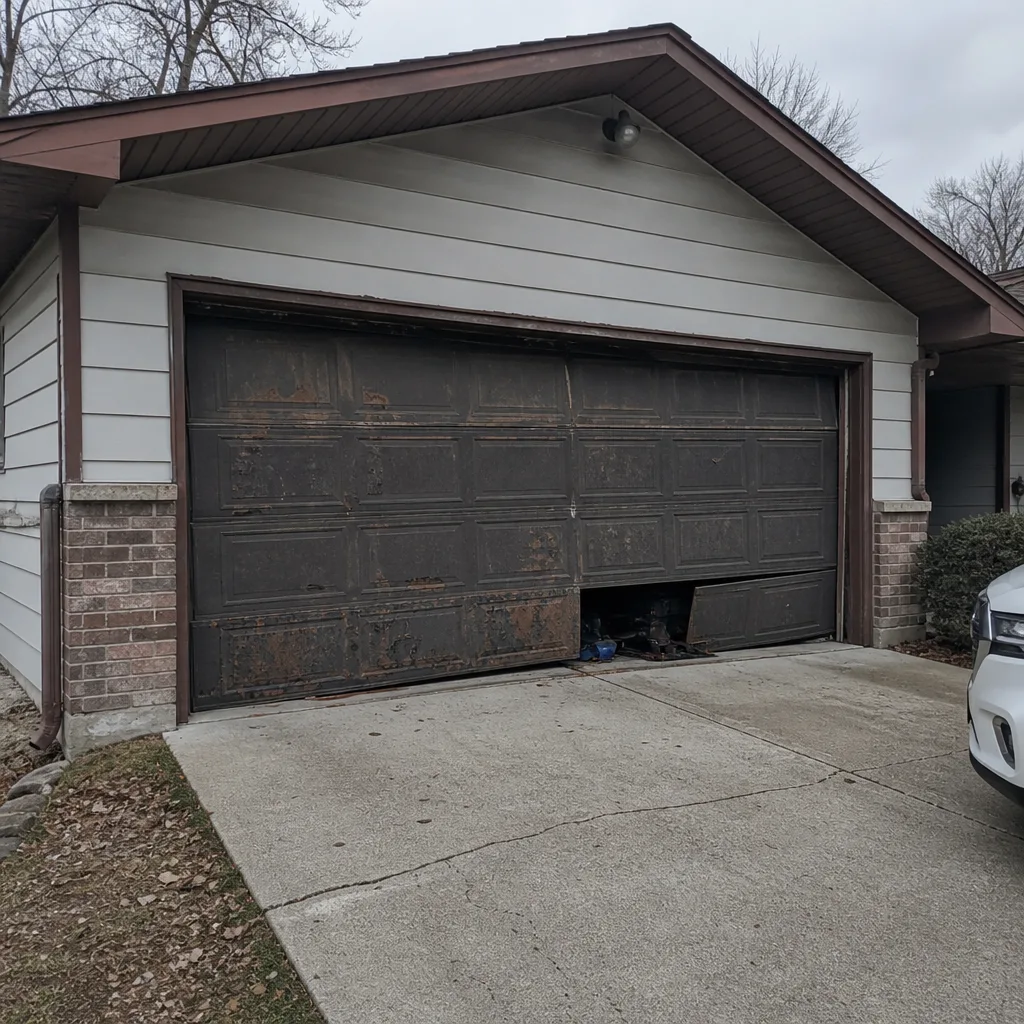 Before
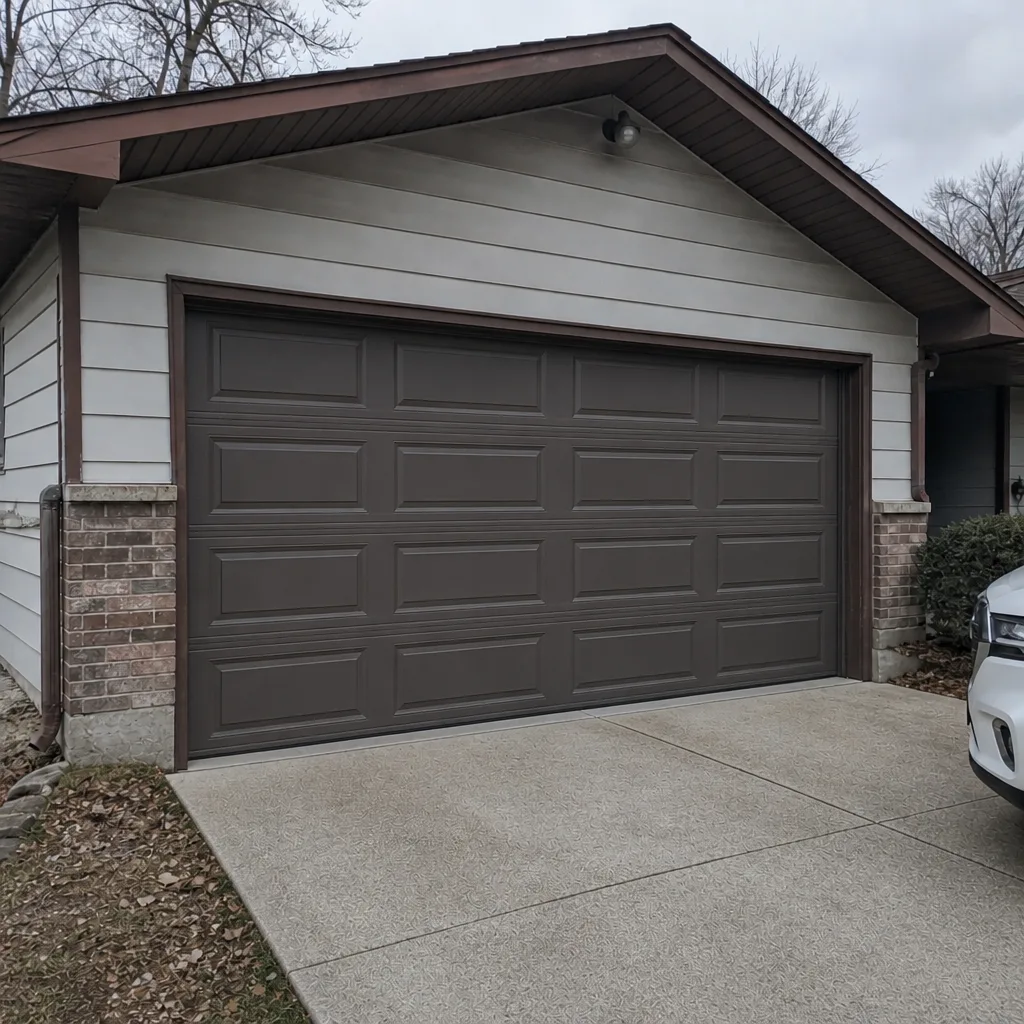 After
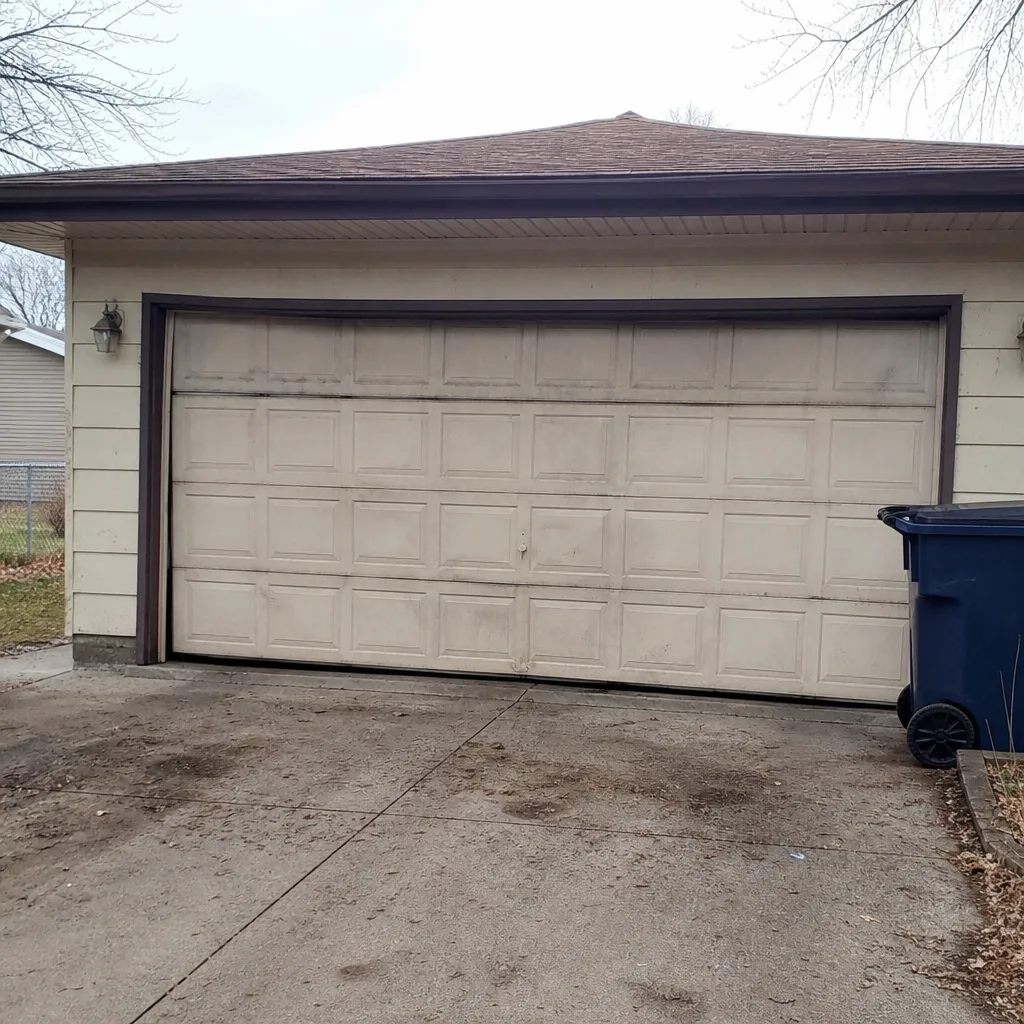 Before
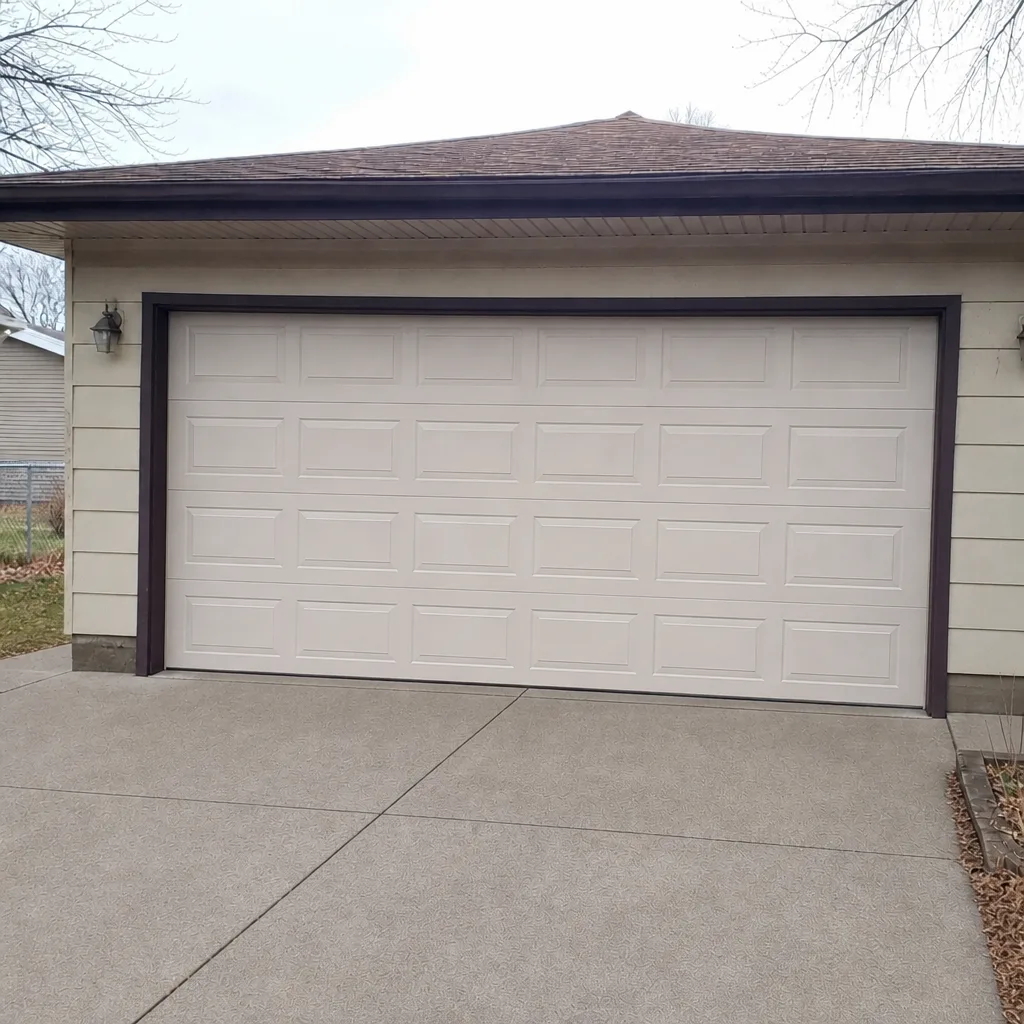 After
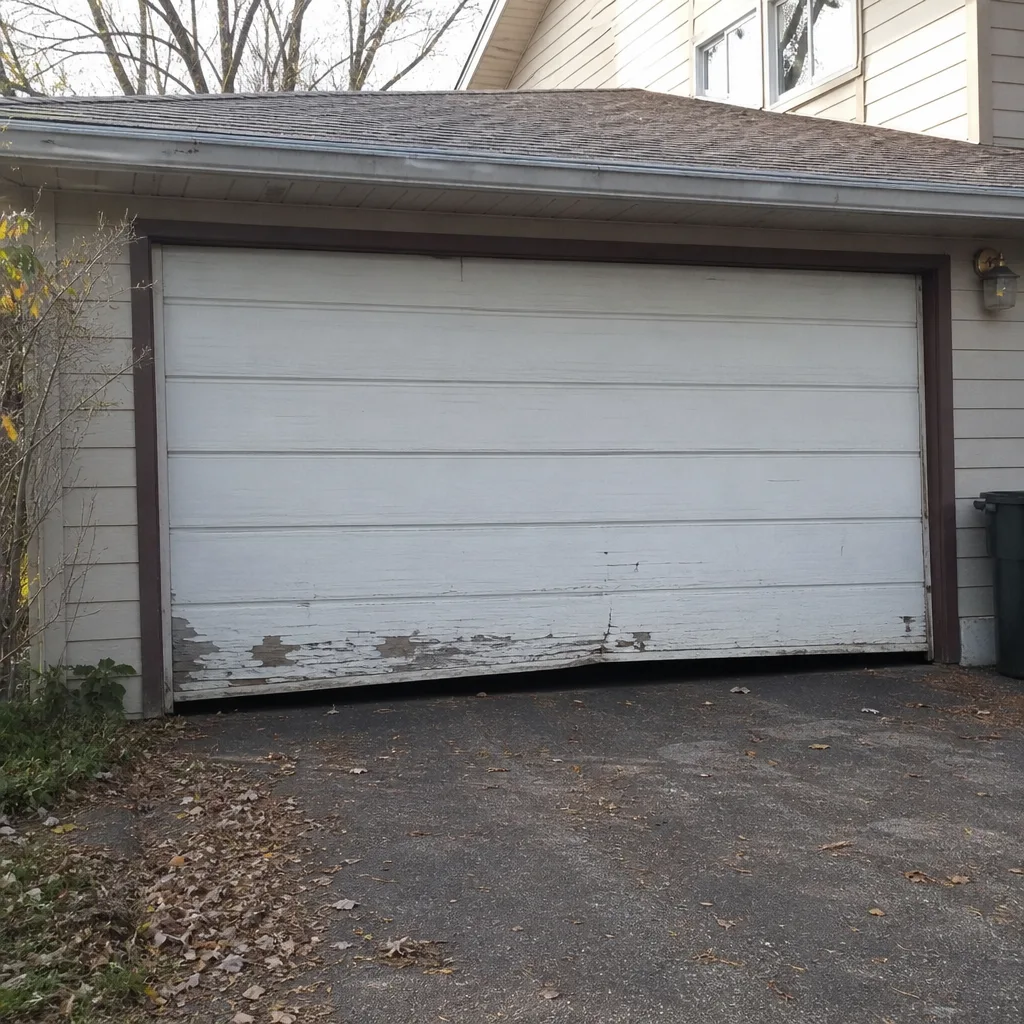 Before
 After