Last updated November 22, 2026
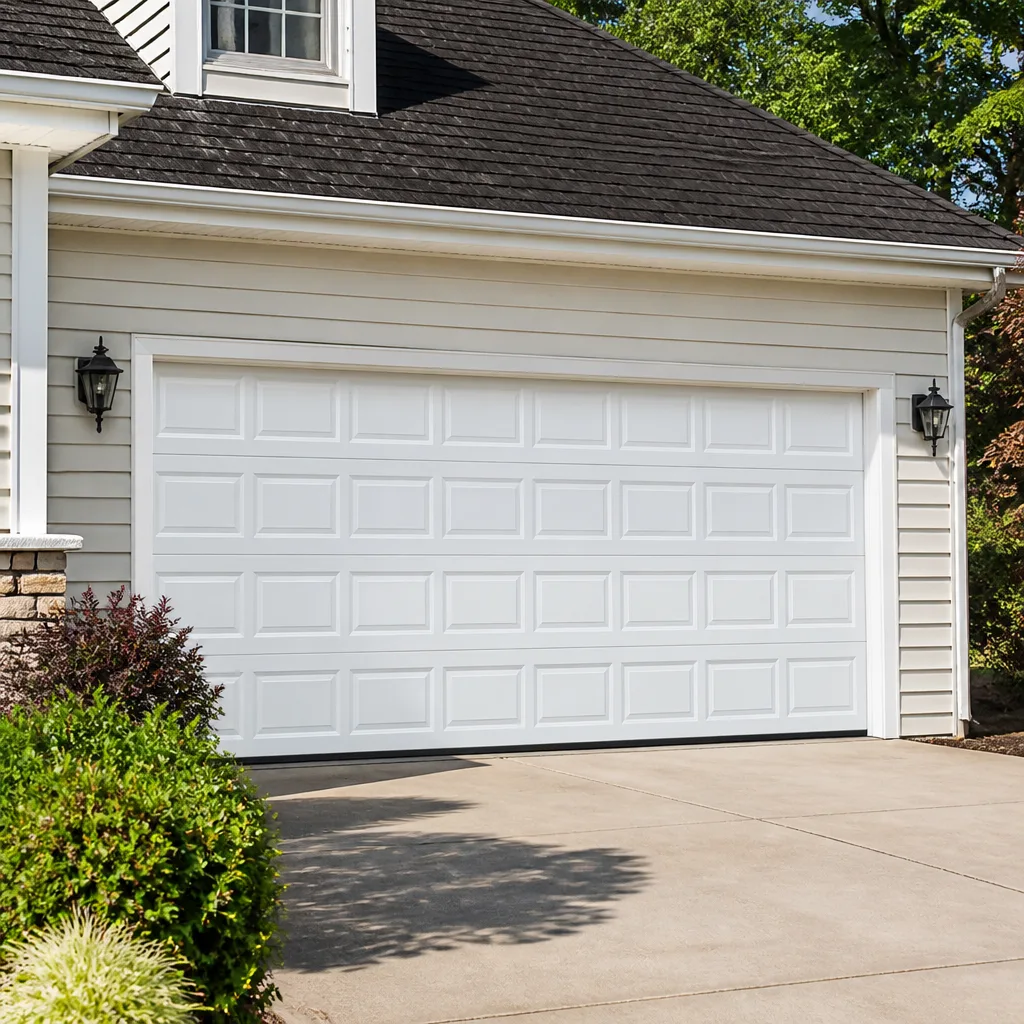 Raised-panel steel
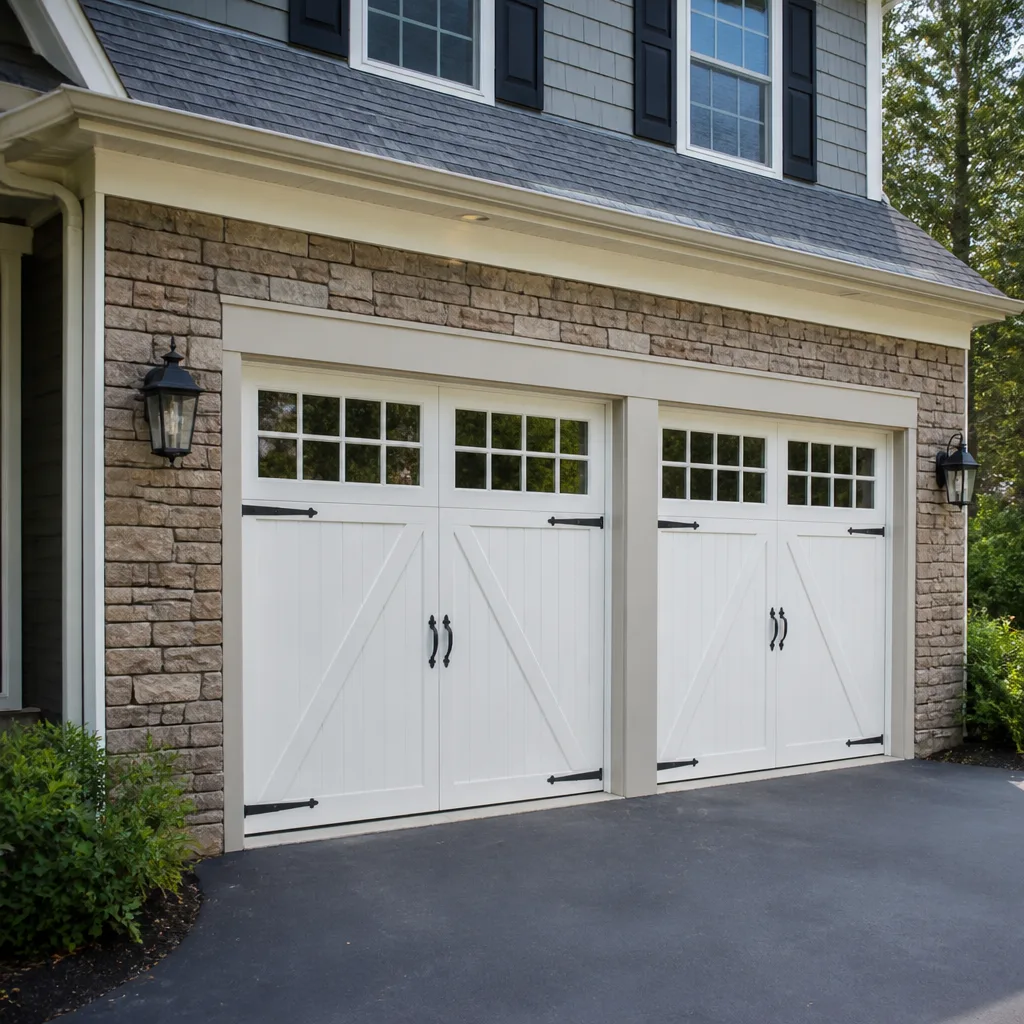 Carriage house
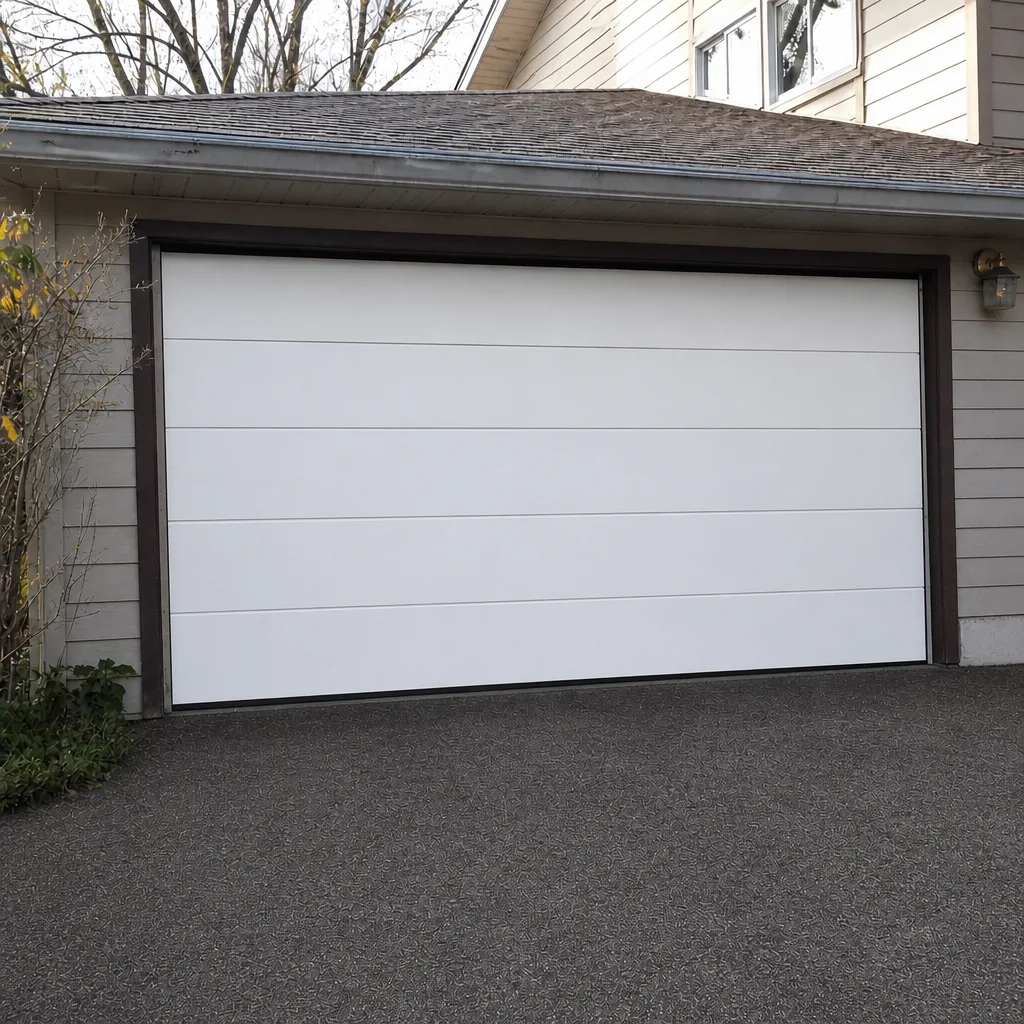
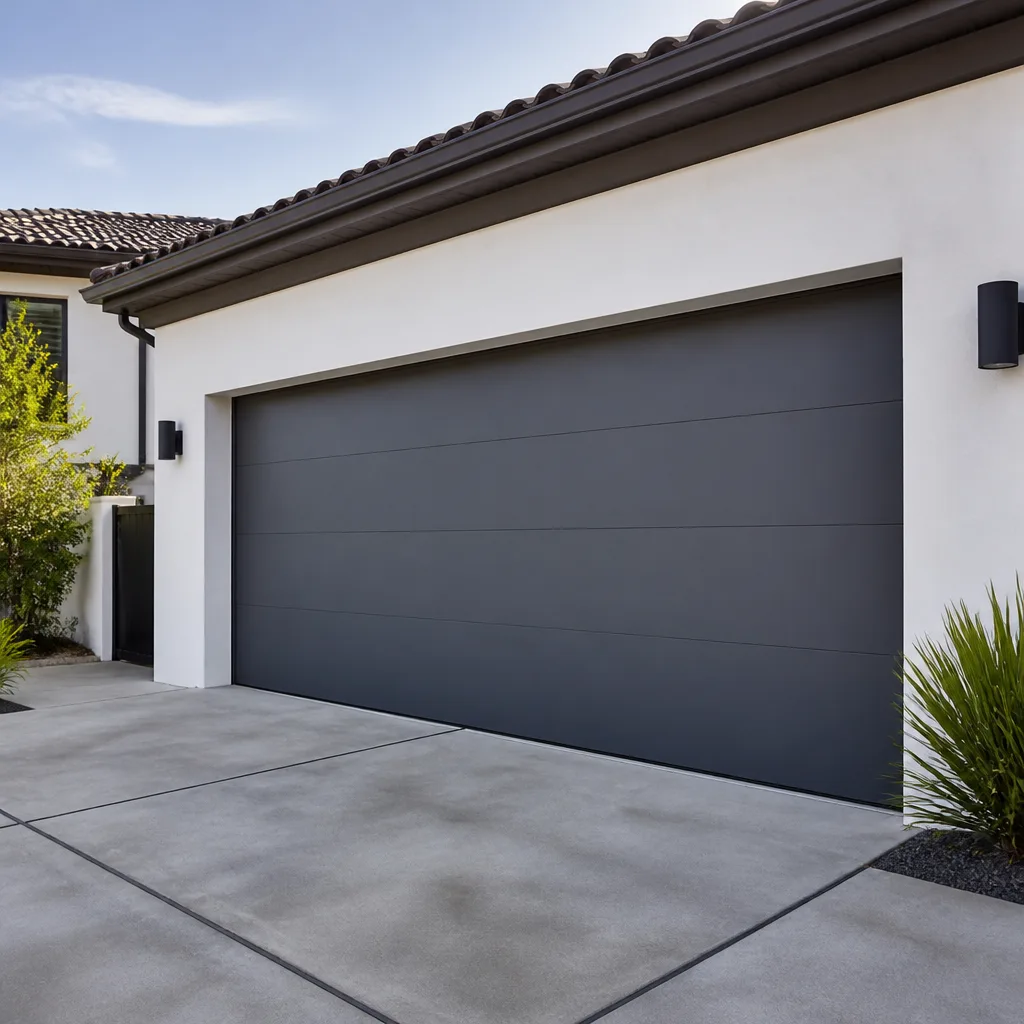 Modern flush
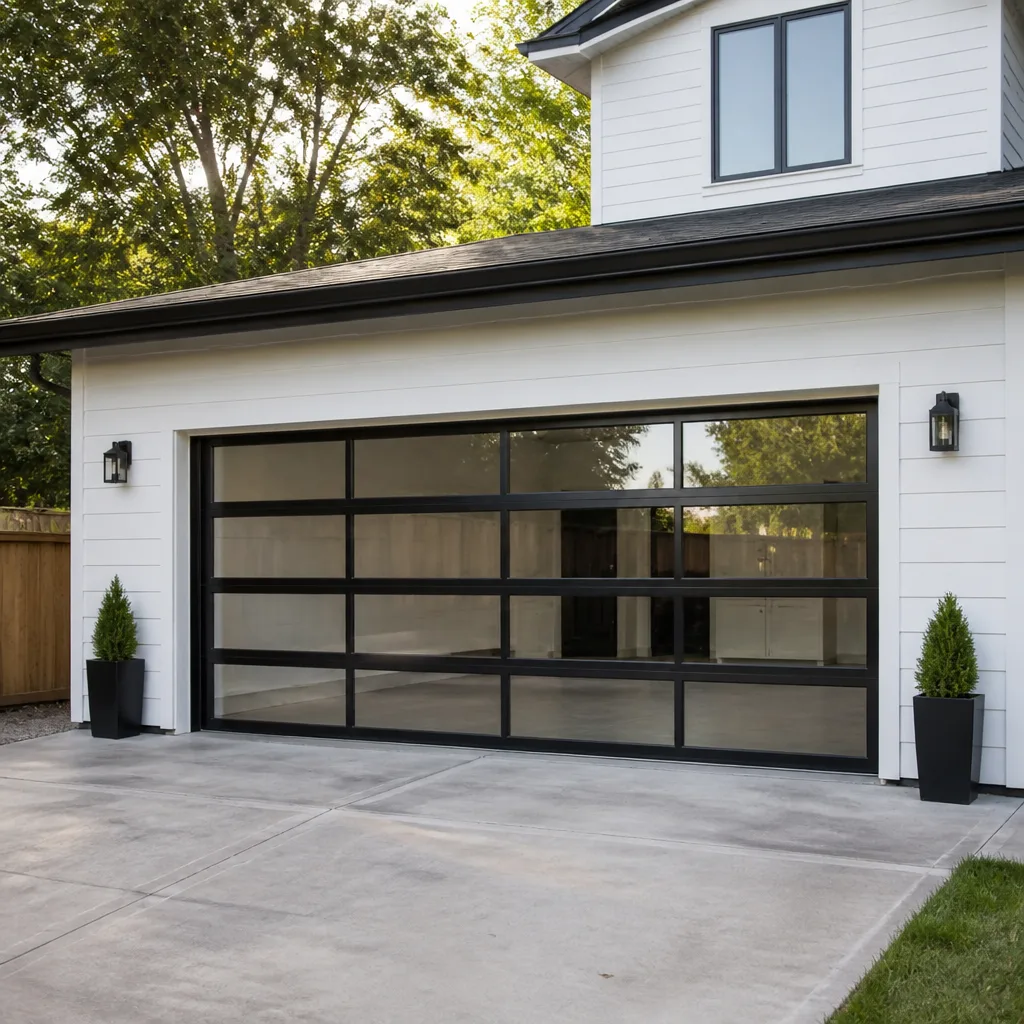 Full-view glass
 LiftMaster openers
 Chamberlain openers
Full 25-point door and opener safety check with every visit - springs, cables, rollers, tracks, and your LiftMaster or Chamberlain opener included
You get a price before we start. It does not change when the pro arrives.
Get your free estimateGarage Door Warning Signs: A Burnsville Homeowner’s Reference Guide
A garage door that hesitates for half a second before moving isn’t “just getting old.” That pause is a measurable force imbalance. The springs or the opener are working harder than they should to lift the door, and left alone, that extra load will wear out an opener motor over the course of a few months. Most of the failures we get called out for in Burnsville started as a sound, a slow spot, or a small gap the homeowner noticed and shrugged off. This guide teaches you to read those signals early. You’ll learn what each noise and movement actually means, which problems are cosmetic and which are structural, and when a worn part needs replacing before it fails.
Quick Answer
The main warning signs of a failing garage door are unusual sounds (grinding, squealing, popping, rattling), visible damage (bowing panels, gaps, rust, cracked paint), and changes in how the opener behaves (slow response, reversing, lost remote range). Any of these means a part is wearing out, and the dangerous ones – a broken spring, a frayed cable, or a door that won’t stay balanced – should be checked by a trained technician right away. Catching them early is what keeps a repair from turning into an emergency.
Styles & brands we work with
- Raised-panel steel
- Carriage house
- Modern flush
- Full-view glass
- LiftMaster openers
- Chamberlain openers
Table of Contents
- What Your Garage Door’s Sounds Are Telling You
- Visual Warning Signs on the Door Itself
- Opener Behavior Flags and What Causes Them
- Worn Parts vs. Failed Parts: Which Demands Immediate Attention
- Minnesota Winter Warning Signs vs. Year-Round Ones
- How to Test Your Door’s Balance Safely
- Warning Signs We See Most in Burnsville
- Common Mistakes to Avoid
What Your Garage Door’s Sounds Are Telling You
Every sound a garage door makes comes from metal meeting metal or from a part straining under load. Once you know which part is which, the noise becomes a diagnosis. Here’s how we break it down.
- Grinding usually points to worn or dry rollers sliding instead of rolling, or to a torsion spring or bearing plate that’s lost its lubrication. A steady grind that gets louder as the door rises is a wear signal, not a break yet.
- Squealing is almost always a lubrication problem – dry hinges, rollers, or the torsion bar. It’s the easiest noise to fix and the easiest to ignore into a bigger problem.
- Popping is the one to take seriously. A loud pop as the door moves can mean a torsion spring has snapped or a cable has slipped off its drum. Stop using the door and have it looked at.
- Rattling typically means loose fasteners – hinge bolts, track brackets, or panel hardware working themselves out. Rattling that comes with a shaky door can also mean the rollers are worn out.
The pattern matters as much as the sound. A single pop followed by a door that won’t lift is almost certainly a spring. A grind that builds gradually over weeks is worn rollers or bearings. When we diagnose a door, listening to when the noise happens – at start, at mid-travel, or near the top – tells us which component is under the most stress at that point. Our technicians have up to 9 years of experience reading exactly this kind of evidence, and it’s often why we can bring the right part on the first visit. If a noise has turned into a door that’s stuck or won’t open, garage door repair is the place to start.
Visual Warning Signs on the Door Itself
Look at your door in daylight once a month. The surface and the seams reveal a lot before anything fails.
- Gaps around the edges. Daylight showing through the bottom or sides usually means the weather seal is worn, or the door is out of alignment on its track. That’s a cosmetic and energy problem until the gap lets water and cold air in, then it becomes a structural one.
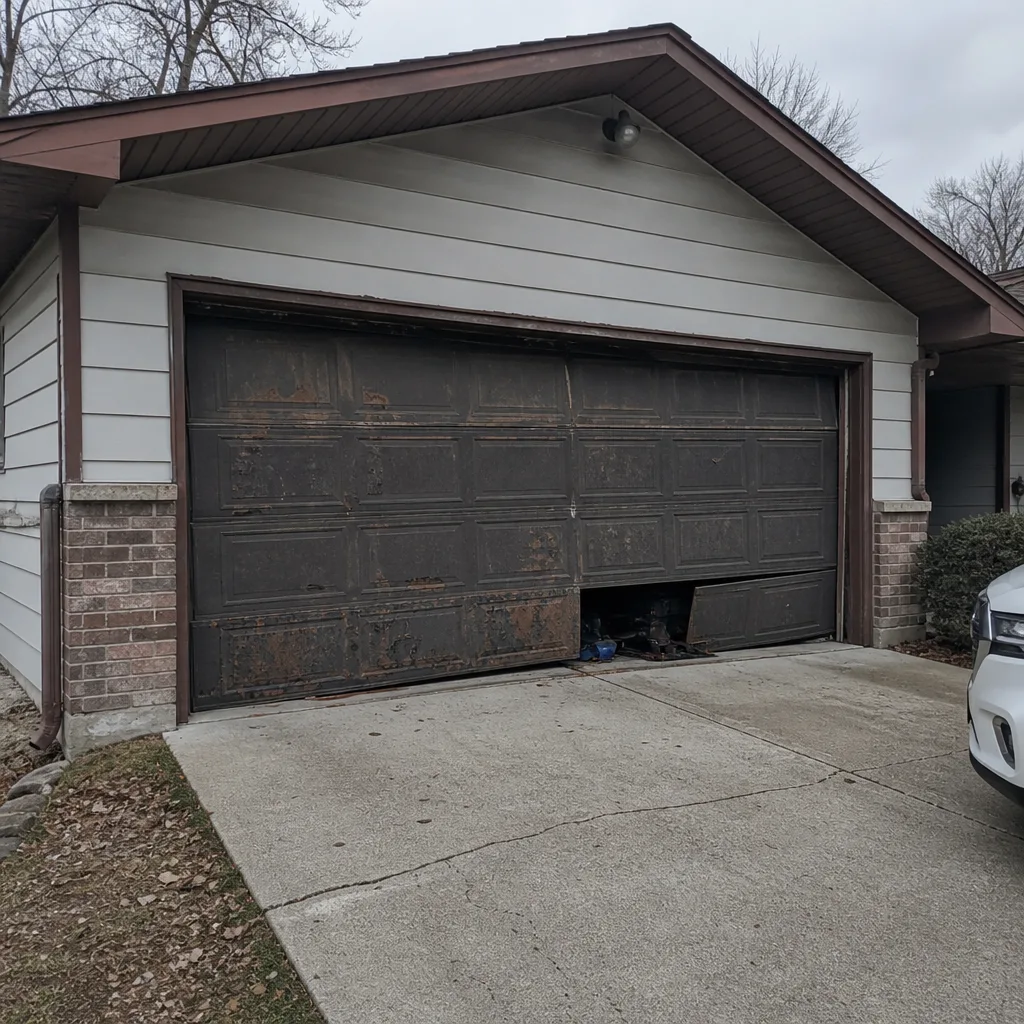
- Bowing or sagging panels. If a section of the door bows inward or the whole door sags at one corner, the door is out of balance or a panel has lost its structure. This one needs a professional look, not a patch.
- Rust patterns. Rust along the bottom edge is normal wear from road spray and snowmelt tracked in over a Minnesota winter. Rust at hinges, rollers, or the track tells you moisture is sitting where it shouldn’t, which accelerates wear on moving parts.
- Cracked or peeling paint. Paint cracks in a straight line along a panel seam can signal flexing, meaning that panel is moving more than it should. Peeling paint on the frame is often just age and moisture.
The difference between cosmetic and structural comes down to whether the door’s shape or operation changed. A scuffed panel on a Clopay or Amarr door is cosmetic. A panel that’s bowed or a section that’s pulling away from its hinge is structural and affects how the door travels. When a visual sign comes with a change in how the door moves, that’s your cue to have it checked rather than touched up and forgotten. Our Burnsville Garage Door Repair Co technicians look at the whole door, not just the noisy part, because a visual flag and a sound often point to the same worn component.
Opener Behavior Flags and What Causes Them
The opener is the easiest part of the system to watch because you interact with it every day. Changes in its behavior are early warnings.
- Slow response. If the door takes a beat longer to start moving after you press the remote, the opener motor is straining or a capacitor is weakening. On the most common belt and chain units from brands like Genie and LiftMaster, this is often the first sign that the motor is working against a heavier door than it was set for.
- Reversal problems. A door that starts down and immediately reverses is usually hitting an obstruction, or the safety sensors are misaligned or dirty. If the sensors are clean and aligned and it still reverses, the travel limits or force settings need adjusting.
- Lost remote range. A remote that only works when you’re right at the door often means a weak battery – or interference from the opener’s logic board, or a worn antenna connection. Swap the battery first; if the range is still short, the opener needs a look.
- Stopping mid-travel. A door that stops partway up or down is usually a limit switch or force-setting issue, sometimes combined with a door that’s binding on its track.
Because the opener often fails to keep up with a door that’s gotten heavier, many “opener problems” are really door-balance problems. That’s why garage door opener repair starts with checking the door itself before we touch the motor. We work on the brand you already have, from basic chain-drive units to app-connected models, so the diagnosis covers the whole system rather than just the electronics.
Worn Parts vs. Failed Parts: Which Demands Immediate Attention
Not every warning sign is an emergency. The useful skill is telling a part that’s wearing out from one that’s already failed, and knowing which category you’re in.
Worn parts still function but are past their best. They’re the ones you can schedule a repair for. Signs of a worn part include gradual noise, small gaps, slightly sluggish opener response, loose hardware, and a door that needs a little nudge. Rollers, hinges, weather seals, and an opener under strain fall here.
Failed parts have stopped doing their job or are about to. These are the stop-and-call situations:
- A torsion or extension spring that has snapped – the door won’t lift, or lifts only with a great deal of effort.
- A cable that’s frayed, kinked, or come off its drum.
- A door that’s come off its track or is visibly crooked in the opening.
- Wheels or brackets that have pulled loose from the door.
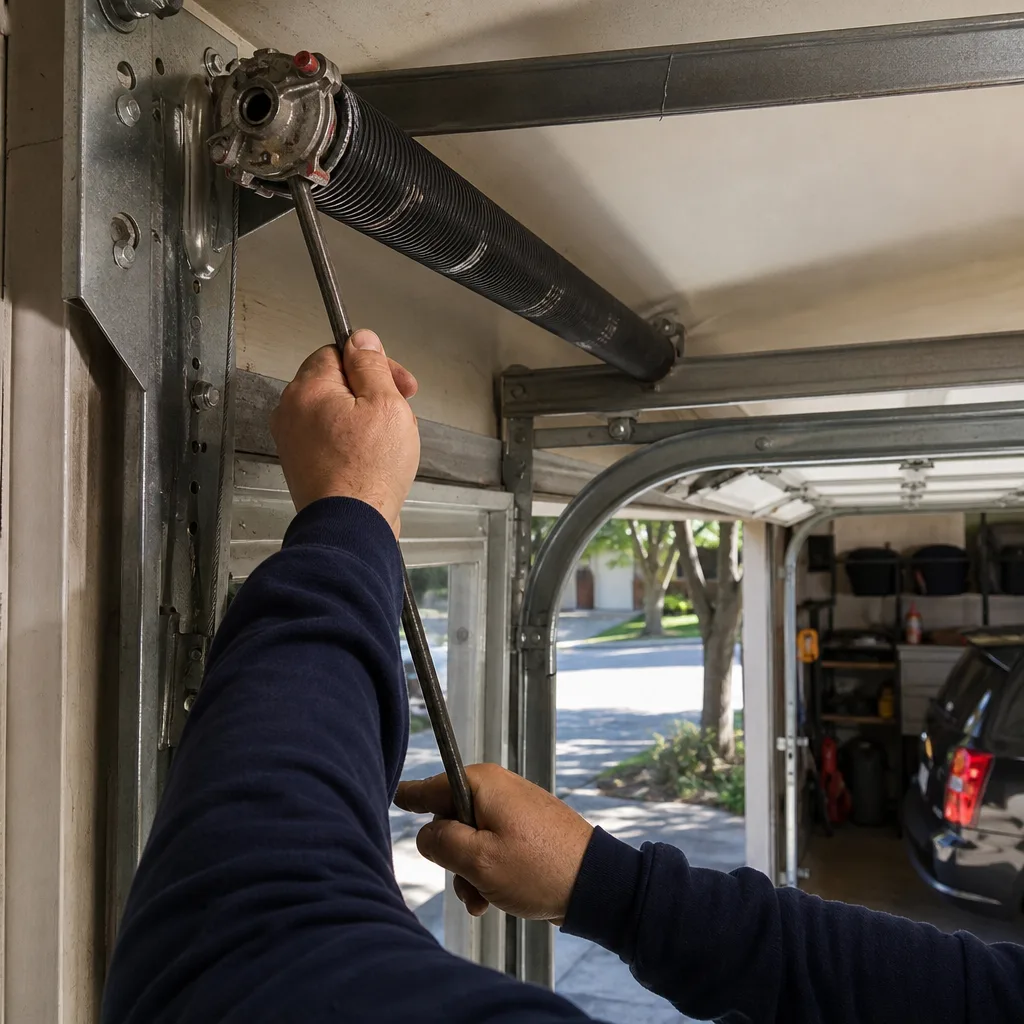
Springs and cables are the most dangerous components in any garage door system, and here’s why we treat them that way: they’re under high tension, and a failed spring or a released cable can cause serious injury. We don’t recommend testing or replacing them yourself. If you suspect a spring has failed, stop using the door and keep the area clear. Our garage door spring repair is a core specialty for exactly this reason – it’s the highest-risk, most technically demanding repair on the door, and it’s handled with the patience it needs.
Minnesota Winter Warning Signs vs. Year-Round Ones
Burnsville winters add a set of problems you won’t see in milder climates, and they tend to show up as weather changes rather than as loud failures. Knowing the seasonal signs helps you sort the serious from the routine.
Winter-specific signs:
- A stiff, hard-bottoming weather seal. Cold makes the rubber seal along the bottom of the door rigid. If the seal has gone hard, it can drag, break its seal with the floor, or crack – and a gap at the bottom lets in cold and snowmelt.
- Track contraction. Metal tracks and springs shrink slightly and change tension in the cold. A door that worked fine in October can feel tighter or slower in January. A door that won’t close fully against the floor in the cold is usually a seal or track issue, not a whole new door.
- Frozen or sluggish rollers and hinges. Lubricant thickens in cold weather, and hardware that was fine in summer starts to squeal or bind.
- Snow and ice in the track. Packed snow at the base of the track stops the door from closing cleanly – a chore to clear, not a repair.
Year-round signs don’t depend on temperature: a broken spring, a worn opener, a loose hinge, a bowing panel. Those show up in July as readily as in January. When a winter sign and a year-round sign appear together, treat it as a year-round issue. Cleaning ice out of a track is routine. A door that won’t close even after the track is clear is a problem for a professional. In our experience working across Burnsville, the seasonal signals are the ones homeowners most often mistake for something major – and the year-round ones are the ones most often ignored.
How to Test Your Door’s Balance Safely
A balanced door takes little effort to lift by hand and stays put when you let go halfway. An unbalanced door fights you, or falls. This simple check tells you whether your opener is doing work the springs should be doing.
- Close the door and pull the opener’s manual release cord so the door is disconnected from the opener. Make sure the area is clear and no one is standing under the door.
- Lift the door by hand to about waist height, then to halfway. A balanced door moves smoothly and stays where you leave it.
- Let go slowly. If the door drifts down on its own or slams, the springs or cables are worn or failed. If it rises on its own, the springs may be overtightened.
- Lower it fully, then re-engage the opener.
Stop at any point if the door feels unusually heavy or you hear a pop or snap. That check is enough to tell you whether to keep using the door or to call. Do not attempt to adjust the springs or cables yourself; those are the high-tension parts, and they belong in a trained technician’s hands. If the balance check points to a spring or cable fault, treat it as an emergency, and know that we offer emergency garage door repair for stuck doors and broken springs. Emergency service, not emergency pricing – availability is a commitment, not a way to inflate the bill.
Warning Signs We See Most in Burnsville
Burnsville sees the same winter cycle every year: freeze, thaw, refreeze. That pattern drives most of the seasonal wear we diagnose here, from the neighborhoods near the river valley down to the older parts of town. Snowmelt and road spray get tracked onto the garage floor, then refreeze at the base of the track or the bottom of the door, and the seal takes the beating. Doors facing the wind on an exposed lot work harder, and doors on shaded sides hold moisture longer, which shows up as rust at the hinges and rollers first.
The warning signs we get called for most in Burnsville aren’t the dramatic ones. They’re the quiet ones: a door that’s developed a slight grind, an opener that’s slower than it used to be, a weather seal that’s gone hard and cracked along the bottom. Homeowners often assume the whole door needs replacing when a seal, a set of rollers, or a spring replacement will put it right. That’s why we lead with a diagnosis rather than a sales pitch. Across the most widely-owned brands on the market – LiftMaster, Chamberlain, Genie, Clopay, Amarr, Wayne Dalton, Craftsman, and Raynor – we know what’s likely to wear first and which parts we’ll need, so fewer visits and less guessing. If you’ve watched a sign get worse for a while, it’s probably a worn part, not a failed one, and that’s a conversation worth having before it changes.
Common Mistakes to Avoid
- Ignoring a pop because the door still works. A door that popped but still lifts after a few tries has a compromised spring or cable that’s likely to fail fully. Stop using it and get it checked.
- Greasing the tracks. Tracks are meant to stay dry so the rollers can roll. Greasing them collects grit and makes the door bind – grease the rollers, hinges, and bearing plates instead.
- Adjusting the springs yourself. Torsion and extension springs are under high tension and can injure you badly. This is the one repair to always hand to a technician.
- Raising the opener’s force setting to push a heavy door. Turning up the force makes the motor strain harder and burns it out faster. Fix the door’s balance instead of forcing the opener.
- Treating a weak remote as a dead opener. In Burnsville, a battery that’s three winters old is the usual culprit. Change it before assuming the opener needs replacing.
- Waiting out a winter seal. A hard, cracked seal keeps letting in cold air and snowmelt all season. It’s one of the cheapest parts to fix and one of the most ignored.
- Assuming a visual sign means a new door. Most gaps, rust spots, and surface cracks are worn parts or cosmetic issues. Get a diagnosis before pricing a replacement you may not need.
When to Call a Professional
Call us when the sign you’re seeing is one of these: a door that won’t lift or won’t stay up, a loud pop followed by a dead door, a door that’s crooked or off its track, a spring or cable that looks broken or frayed, an opener that reverses or stops mid-travel, or a door that has felt heavier or slower for a while. Those are the situations where a trained technician saves you time, money, and risk. Our technicians have up to 9 years of experience and know the equipment you already own, so the visit is about a diagnosis and the right part, not a sales pitch. Burnsville Garage Door Repair Co offers free estimates in Burnsville – call (855) 560-7429.
See the difference
 Before
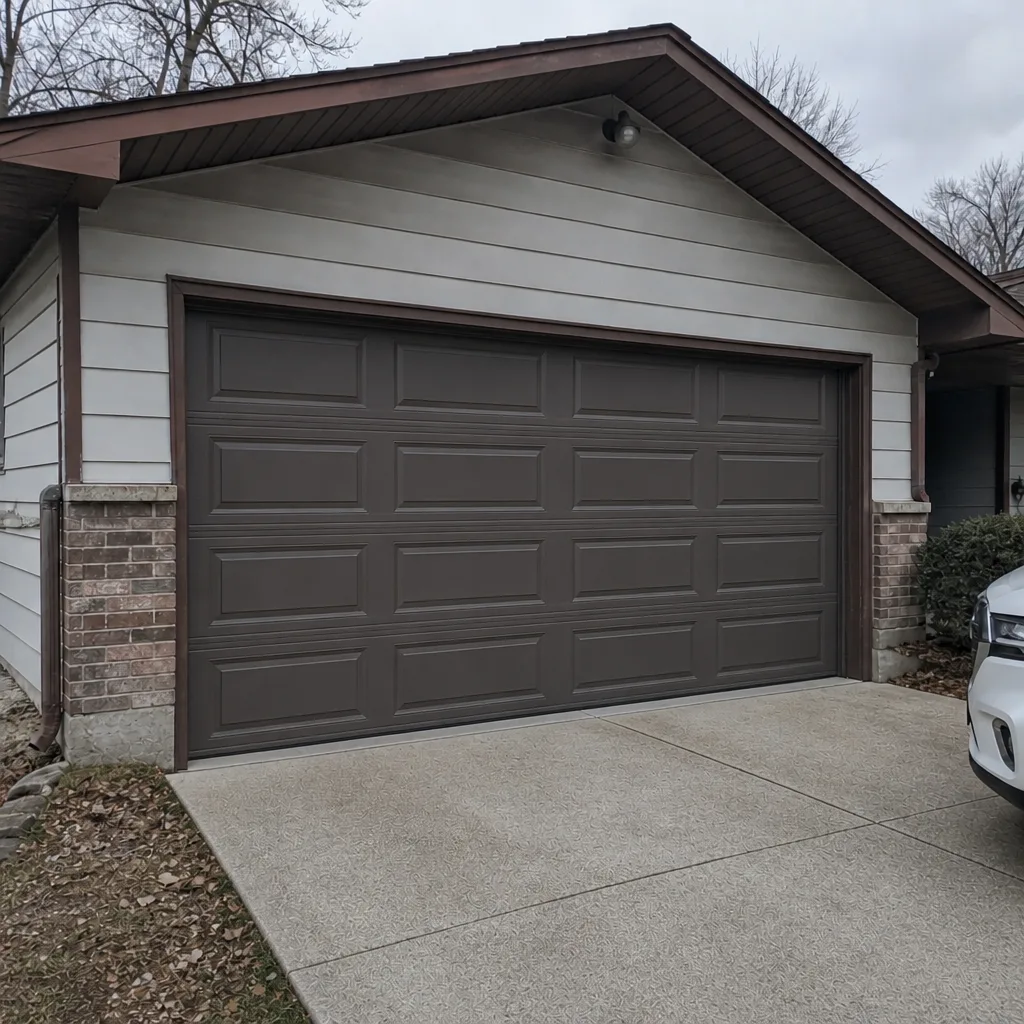 After
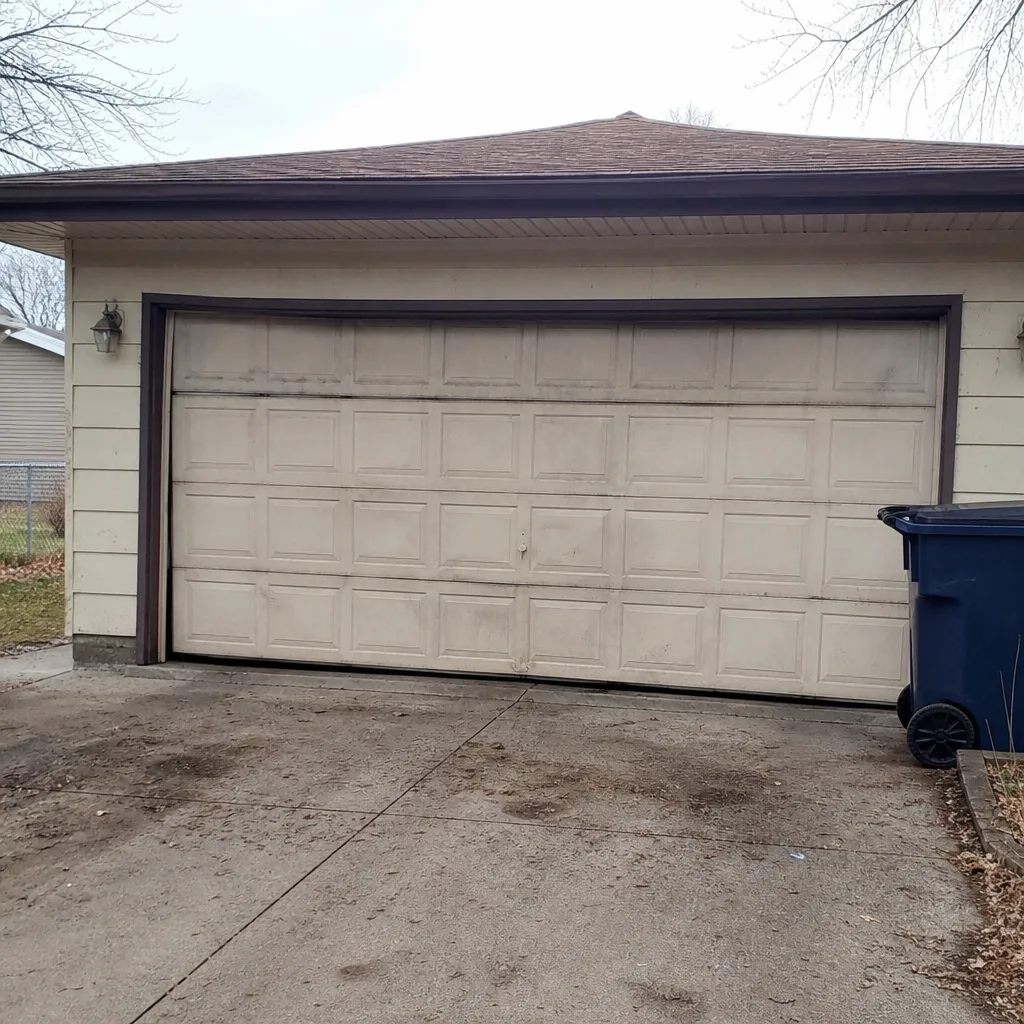 Before
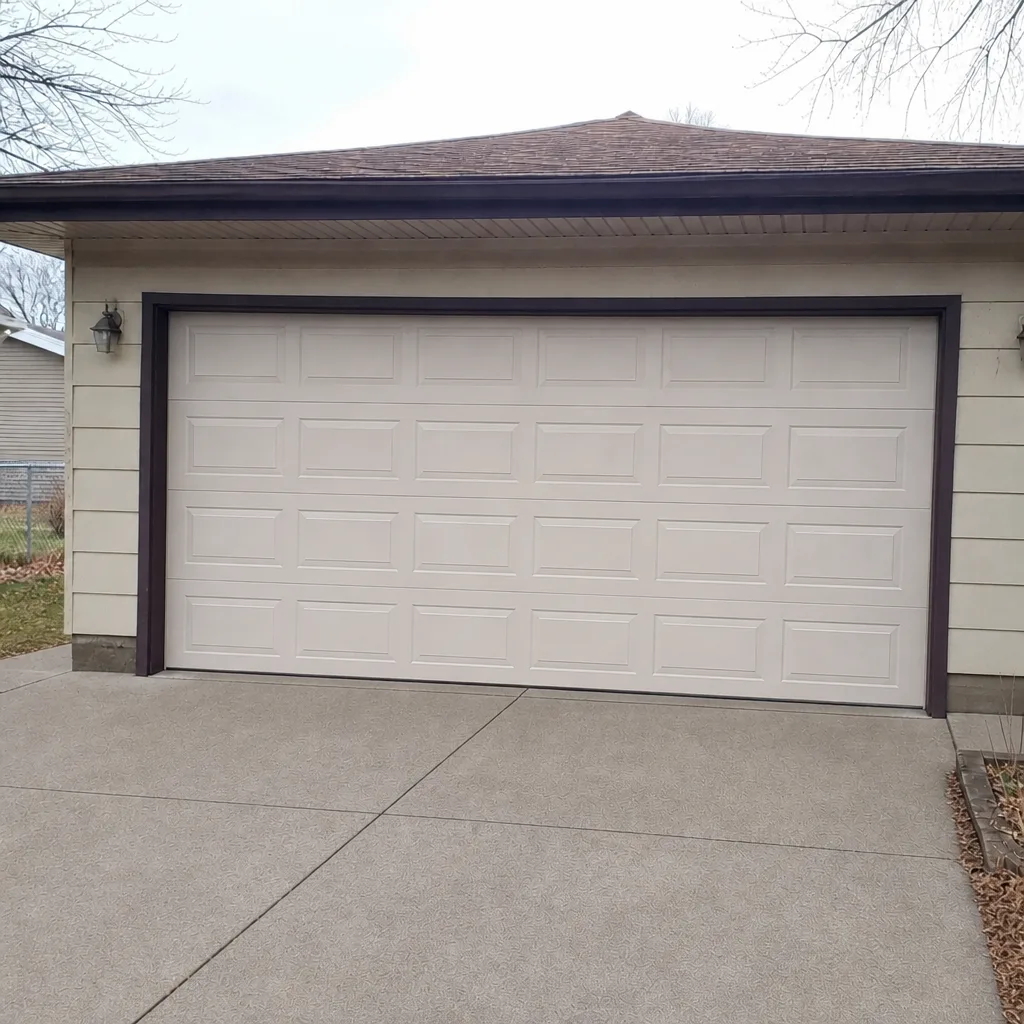 After
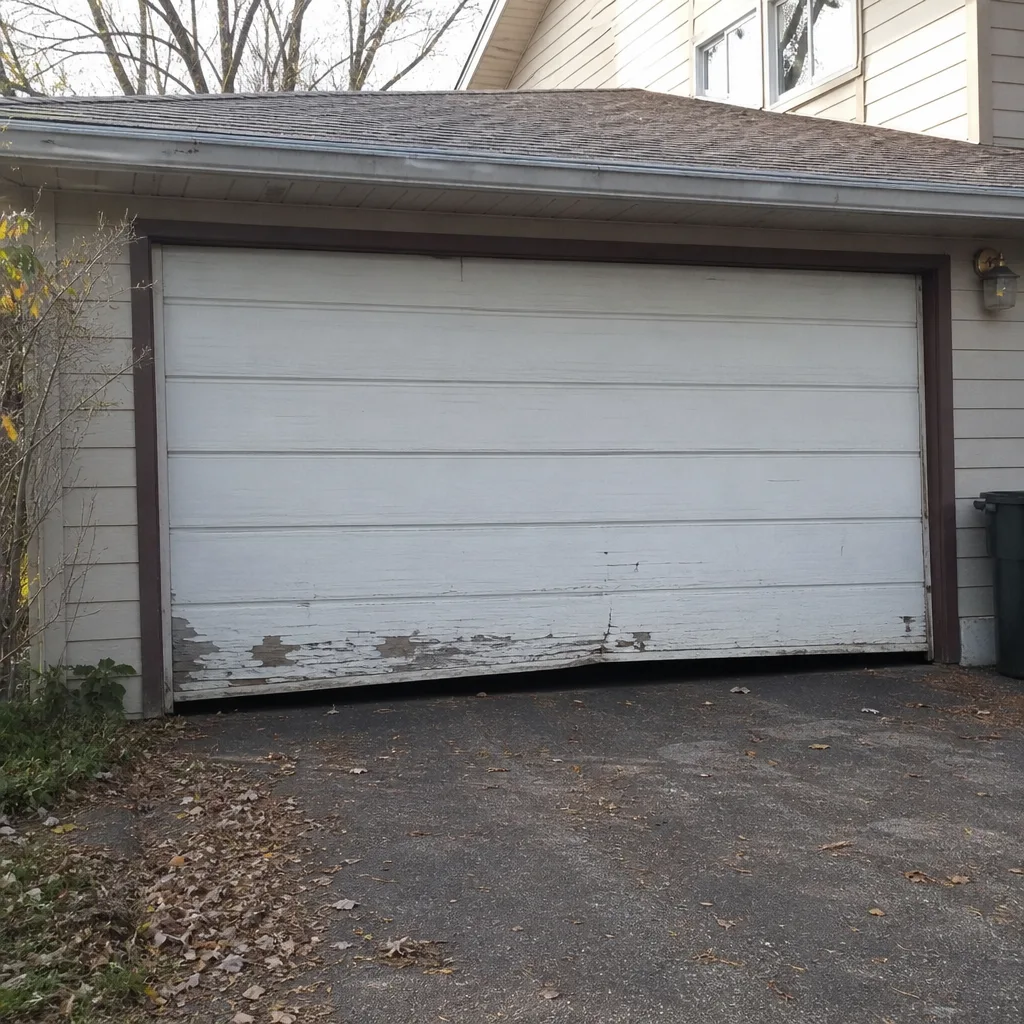 Before
 After
Frequently Asked Questions
The earliest signs are usually sound and speed: a new grind or squeal, a pop, or a door that takes a moment longer to start moving than it used to. Those point to worn rollers, dry bearings, or a spring beginning to lose tension, and they’re the best window to fix a small problem before it becomes a stuck door. Call (855) 560-7429 for an exact quote – estimates are free.
Spring repair in Burnsville typically falls in the range of $180 to $340 for one spring, and since springs are matched and replaced in pairs, a pair costs about twice that. The written estimate you get before any work starts is the final price. Call (855) 560-7429 for a free estimate.
Yes, for urgent failures we can usually get out the same day – a broken spring, a door off its track, or an opener that won’t respond. Call (855) 560-7429 and we’ll work out a time that day. Note that we’re closed on Saturdays; if a door fails on a Saturday, call and we’ll book you for Sunday.
No. We quote and agree on the price before any work starts, so the number you’re given is the number you’ll be asked to pay. If we find something the quote didn’t cover, we’ll explain it and get your approval before going ahead. Call (855) 560-7429 to set up a free estimate.
The local professionals we connect you with are licensed and insured as Minnesota requires, and they specialize in garage doors rather than general handyman work. Every technician works on the brand you already have, from LiftMaster and Chamberlain openers to Clopay and Wayne Dalton doors. Call (855) 560-7429 with any questions.
Normal is a steady, even hum from the opener and the soft roll of the door – no grind, pop, or squeal. Any new pop, a grind that’s gotten louder over weeks, or a squeal that wasn’t there before is a warning sign. When in doubt, have it checked; a free estimate costs you nothing but the call. Call (855) 560-7429.
The Bottom Line
Your garage door tells you what it needs before it breaks, if you know what to listen and look for. Sounds, visual changes, and opener behavior all point to wear you can act on early. Sort a worn part from a failed part: handle worn parts with a scheduled repair, and treat a broken spring, a loose cable, or an off-track door as a stop-and-call. Watch for the winter signs specific to Burnsville – stiff seals, contracted tracks, sluggish hardware – and check your door’s balance once in a while. Catch it early and a repair stays a repair. That’s the whole point of reading the signs.
Get Your Door Checked Before It Fails
If something on this list matches what your door is doing, don’t wait for it to get worse. Burnsville Garage Door Repair Co focuses only on garage doors, so you get a specialist who knows your equipment and brings the right part. Call (855) 560-7429 for a free estimate and a straight answer on what your door needs.
Written by the team at Burnsville Garage Door Repair Co.