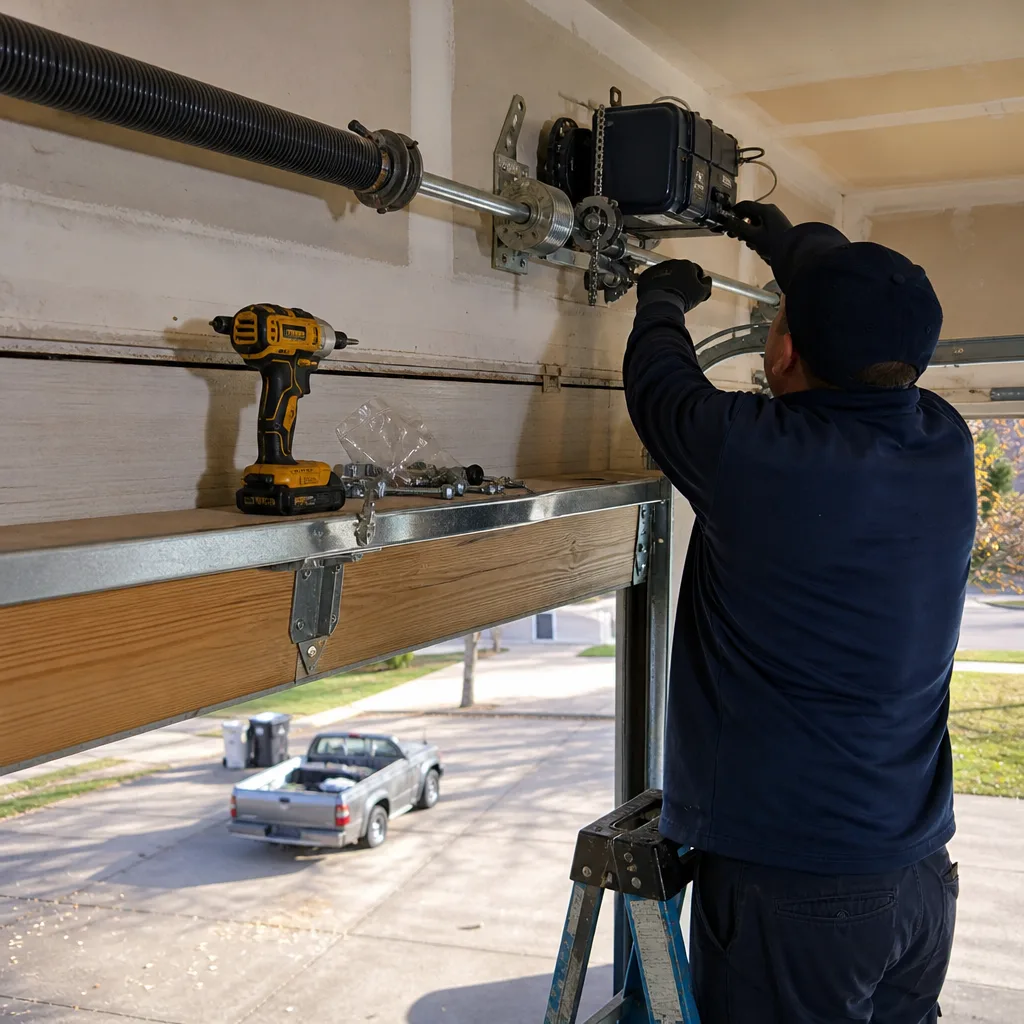
Last updated November 22, 2026
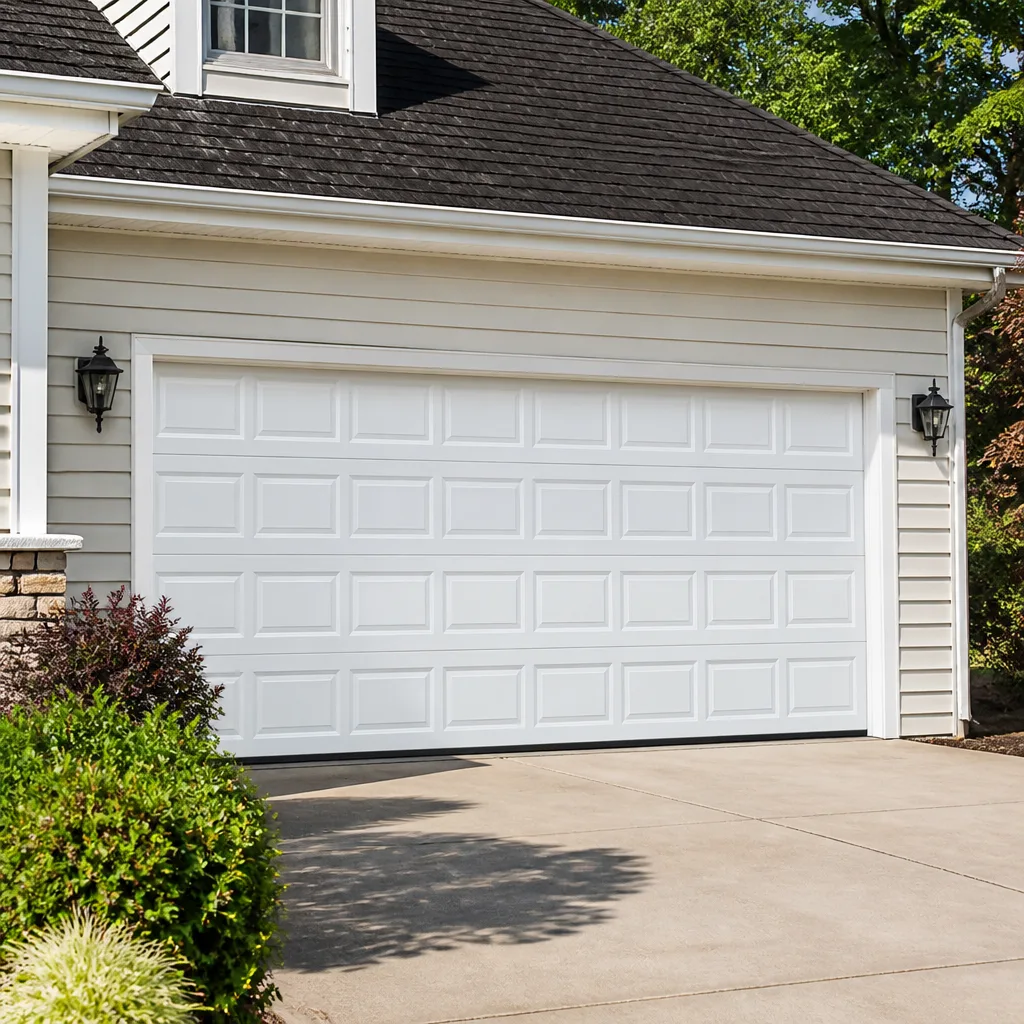 Raised-panel steel
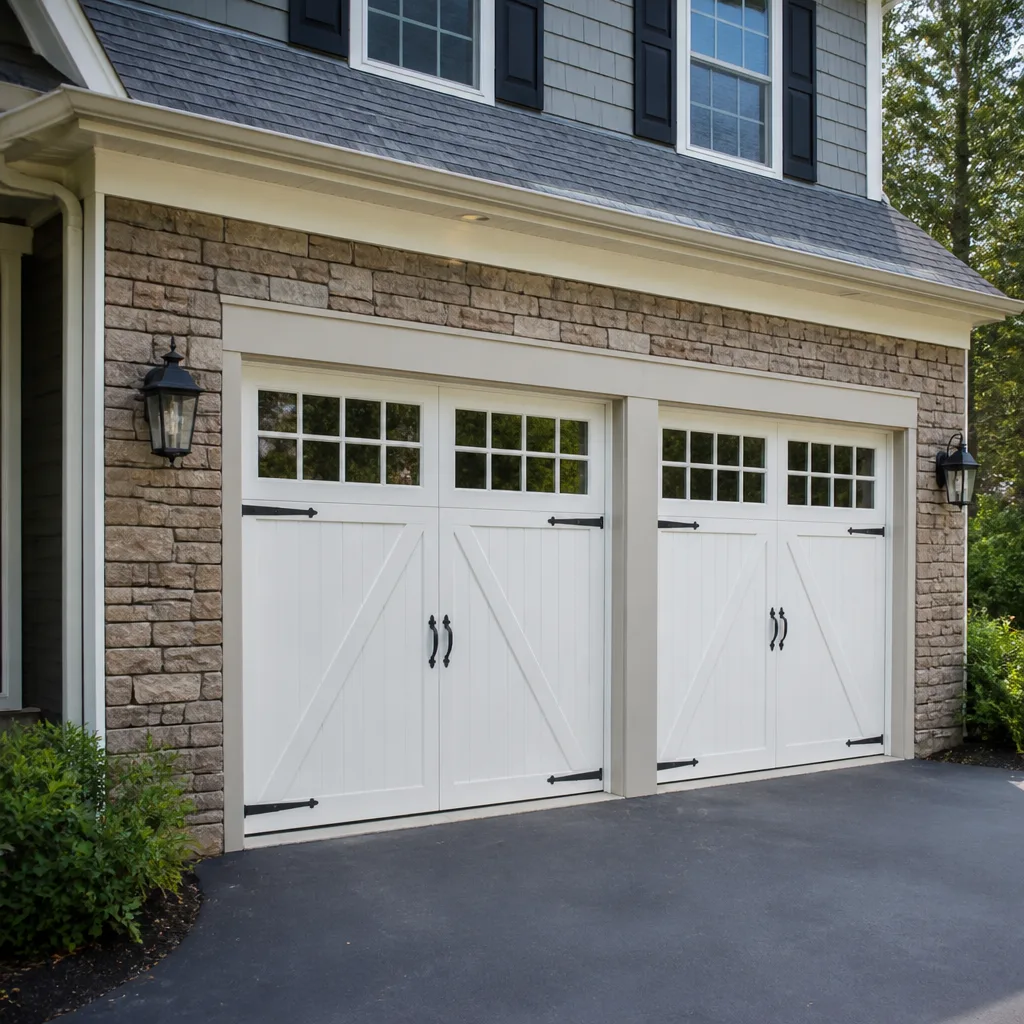 Carriage house
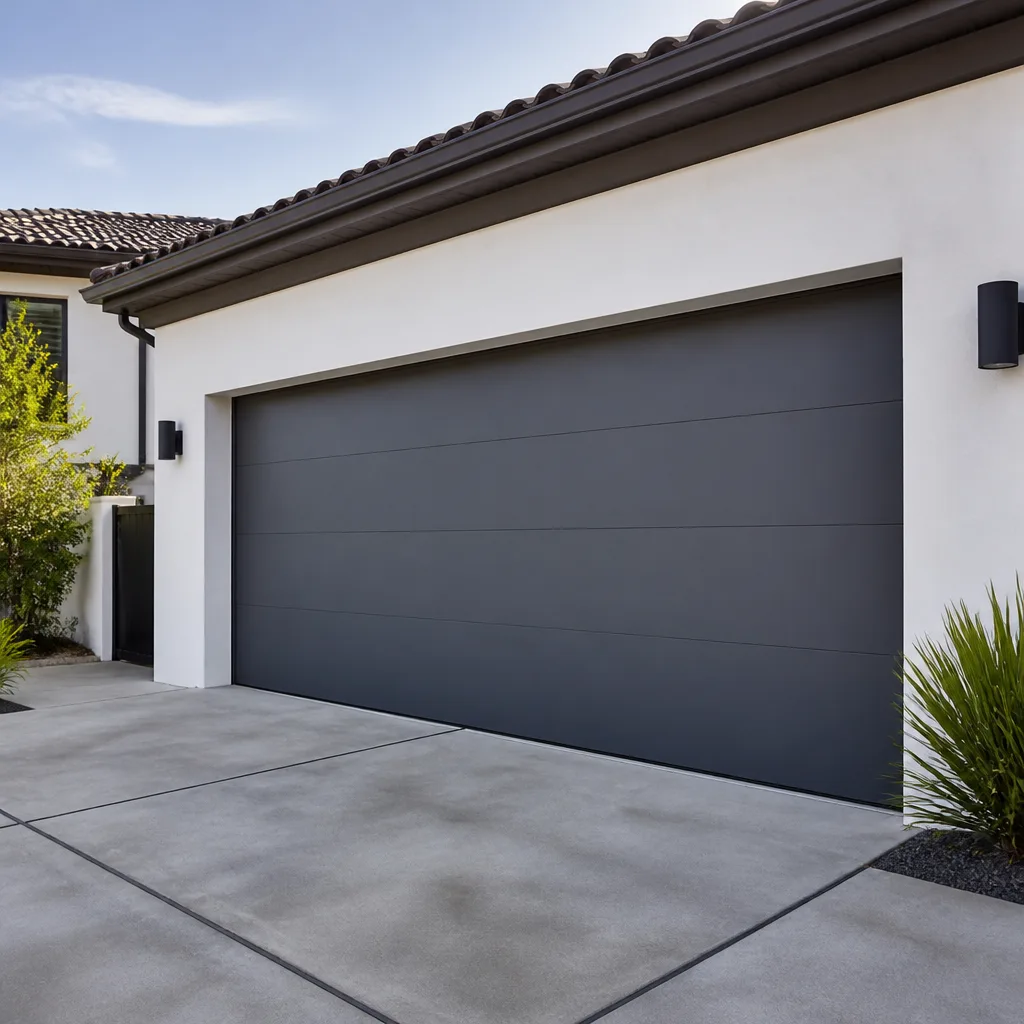 Modern flush
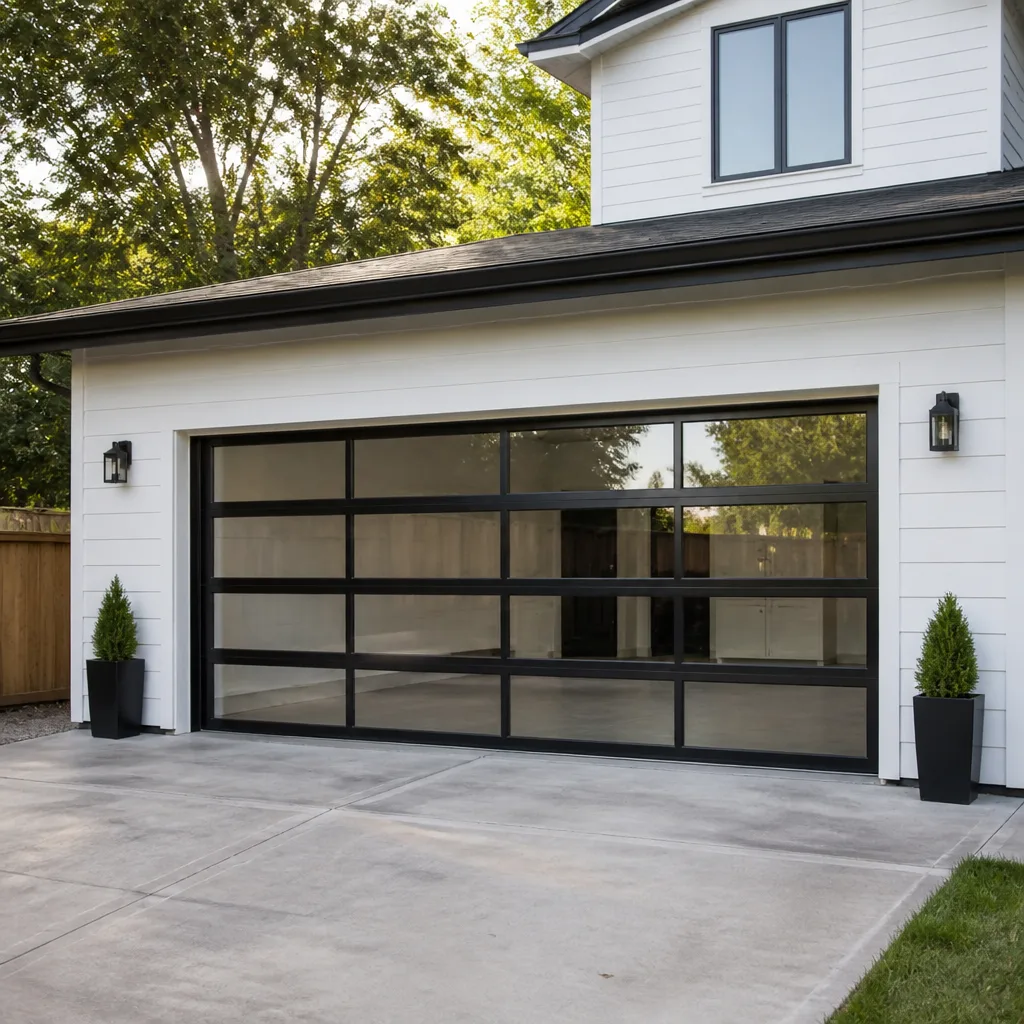 Full-view glass
 LiftMaster openers
 Chamberlain openers
Full 25-point door and opener safety check with every visit - springs, cables, rollers, tracks, and your LiftMaster or Chamberlain opener included
You get a price before we start. It does not change when the pro arrives.
Get your free estimateSeasonal Garage Door Care for Burnsville: Year-Round Homeowner’s Guide
The most common spring service call we get in Burnsville isn’t weather damage. It’s a torsion spring that snapped on the first or second hard use of the season, after months of cold-contracted metal sitting under tension it never got a break from. Most homeowners assume winter is the danger zone and summer is safe. The truth is that each Minnesota season stresses a different part of your door system, and the failure shows up in the season after the one that caused it. This guide walks through what actually happens to a garage door in Burnsville’s climate month by month, what to check before each transition, and how to build a 15-minute walk-around that you’ll actually keep up with.
Quick Answer
A garage door in Burnsville needs a full inspection at four points in the year: before the first hard freeze, mid-winter after a cold snap, at spring thaw, and before summer humidity peaks. Each season attacks different components – cold contracts and fatigues steel springs and freezes bottom seals to the slab, thaw warps frames and leaves road salt on hardware, and summer heat stresses openers and swells wood panels. A 15-minute check at each transition catches most problems before they leave you with a door that won’t close.
Styles & brands we work with
- Raised-panel steel
- Carriage house
- Modern flush
- Full-view glass
- LiftMaster openers
- Chamberlain openers
Table of Contents
- Fall Prep: Getting Ready for the First Freeze
- Winter Failure Modes Unique to Minnesota
- Spring Thaw: Warping, Salt, and Re-Tensioning
- Summer Heat: Humidity, UV, and Opener Cutoff
- Building a 15-Minute Seasonal Walk-Around
- A Season-by-Season Checklist for Burnsville Homes
- Common Mistakes to Avoid
- When to Call a Professional
Fall Prep: Getting Ready for the First Freeze
The work you do in the six weeks before the first hard freeze in Burnsville prevents most of the winter calls we get. Cold doesn’t create problems. It exposes the ones that were already there and makes them worse. Fall prep is about finding those weak points while the weather still lets you fix them on your own schedule.
Start with the bottom seal. That rubber strip along the bottom of your door is what keeps snow, meltwater, and cold air out of the garage, and it’s also the first thing that fails when temperatures drop. Run your hand along its full length. It should be flexible, uniform in thickness, and making even contact with the concrete floor when the door is closed. Cracks, flat spots, or sections that lift away from the slab mean it needs replacing before winter. A hardened seal freezes to the concrete and tears the first time the door opens on a cold morning.
Next, do a lubricant swap. The light spray lubricant many homeowners use in summer isn’t the right product for Minnesota cold. Cold-weather lubricant stays viscous at low temperatures so it keeps working on hinges, rollers, and the torsion bar bearings instead of thickening into a gummy film. A dry lubricant or a cold-rated grease on the moving parts means less strain on the opener when the door is stiff on a below-zero morning. This is one of the cheapest and most effective things you can do before winter.
Then look at the weatherstripping around the door frame and the threshold. Any gap where cold air or snow can get in becomes an ice dam entry point once the freeze sets in. Pay attention to the corners and the bottom of the frame where snow drifts and sits. A door that doesn’t seal cleanly loses heat from the attached garage and puts more ice on your driveway apron.
- Inspect the bottom seal for cracks, flattening, or lift
- Replace light summer lubricant with a cold-weather product on hinges, rollers, and bearings
- Check frame weatherstripping for gaps at the corners and bottom
- Test the auto-reverse feature with a 2×4 laid flat in the door’s path
- Look at the torsion springs for visible gaps, rust, or sagging
- Clear gutters and downspouts so meltwater doesn’t pool near the door
If you’d rather have someone do the whole fall walk-around, a garage door repair visit this time of year is a good place to start. It’s cheaper than an emergency call in January, and it catches the problems that cold weather will only make worse.
Winter Failure Modes Unique to Minnesota
Winter in Burnsville brings a specific set of failure modes that don’t show up in milder climates. Sub-zero stretches, freeze-thaw cycles that turn meltwater into ice overnight, and months of continuous cold fatigue on metal all work together to break things. The three we see most often are frozen bottom seals, opener strain, and ice interference at the door’s base.
Frozen Bottom Seals
When a bottom seal has a small crack or the concrete under it is uneven, meltwater gets under the door and freezes overnight. The seal bonds to the slab. The next morning the opener tries to lift a door that’s physically stuck to the ground. Sometimes the door pops free with a jolt. Sometimes the seal tears off. Sometimes the opener’s safety reverse kicks in and the door won’t open at all. If this is happening to you, don’t force the door. Chipping the ice free from outside, running warm water on the seal area to break the bond, or waiting for a warm afternoon is safer than burning out the opener trying to muscle through it.
Opener Strain in Sub-Zero Temperatures
Every part of your garage door system gets stiffer in extreme cold. The steel doesn’t flex the same way. The lubricant thickens. The torsion springs are carrying the door’s weight with less give than they had in October. Your opener, especially an older chain-drive unit, is suddenly doing noticeably more work for the same result. If you hear the opener laboring, groaning, or running noticeably longer to open the door, that’s your cue to check it before something fails. It’s cheaper to service an opener in November than replace it in February.
Ice Dam Interference at the Door Base
Meltwater from your roof, from the driveway, or from packed snow along the apron can refreeze into an ice ridge at the base of the door. A ridge even half an inch tall is enough to stop the door from closing fully and to trigger the safety reverse repeatedly. If your door stops and reverses a few inches off the floor, ice at the base is the first thing to check before you assume there’s a sensor problem. Clearing the ice and adjusting snow removal near the door prevents most of this.
What to Check After a Cold Snap
- Open and close the door once slowly by hand to check for stiffness
- Listen for changes in opener sound or length of run
- Look at the base of the door for ice buildup before the first morning open
- Check the sensors for frost or snow covering the lenses
- Feel the torsion bar area for knocking or vibration during operation
If you’re hearing a new noise or the door is struggling after a cold snap, an garage door opener repair call is worth making before it turns into a spring failure.
Spring Thaw: Warping, Salt, and Re-Tensioning
Spring in Burnsville is the season for undoing winter’s damage, and it’s also the season when the failures that were building all winter finally show up. Two things happen at once. The ground freezes and thaws repeatedly, moving the slab and the frame the door sits in. And the door itself, which contracted slightly in the cold, warms back up and loosens its fit in the track.
Frame Warping from Freeze-Thaw
Freeze-thaw cycles push and pull at the concrete slab and at the wooden or metal frame around the door opening. Over a Burnsville winter those cycles add up. By spring the frame can be slightly out of square, which pulls the door’s track alignment off. You’ll notice it as a door that rubs on one side, binds partway up, or doesn’t sit flush when it closes. Track misalignment is one of the easiest things to overlook in spring because the door still opens – it just doesn’t open cleanly. If the door is doing any of those things, the tracks need realignment before the extra friction starts chewing through rollers.
Cleaning Road Salt Residue
Burnsville roads get treated heavily through winter, and every car that pulls into your garage brings a little of that treatment with it. Salt spray lands on the hinges, rollers, springs, and bottom fixture, and it accelerates corrosion on every metal part it touches. In spring, wipe down the visible hardware with a damp cloth and reapply lubricant to the moving parts. If you see rust spotting on the torsion springs or heavy corrosion on the hinges, that’s a sign the components are older than they look from the outside, and worth having checked before summer.
Re-Tensioning After Contraction
Metal contracts in winter and expands in spring. On a torsion spring system, that movement changes how much lift the springs deliver. If the door suddenly feels heavy on the way up in March or April, or the opener is having to push a door it used to lift easily, the springs have likely lost some tension. Spring tension adjustment is a job for a trained technician – the torsion system is under extreme tension, and an amateur adjustment is one of the most dangerous things a homeowner can attempt on a garage door. Our experience with garage door spring repair covers exactly this problem, and it’s one of the most common spring calls we get in Burnsville during thaw.
Summer Heat: Humidity, UV, and Opener Cutoff
Summer in Minnesota brings its own version of the same problem. The garage goes from below-zero stretches to 90-degree afternoons, and the parts of your door that handle temperature swings worst are the ones that fail loudest. Three things dominate summer calls in Burnsville: swelling wood doors, fading painted steel, and openers that shut off from heat.
Humidity Swelling in Wood Doors
Wood garage doors move with humidity. In a dry winter the panels are tight. In a humid Minnesota summer, wood absorbs moisture, and the panels can swell enough to bind against the frame or against each other. You’ll notice a wood door that suddenly rubs, sticks partway up, or leaves visible gaps when closed because panels have shifted. Keeping the door’s finish intact and the track clearance checked during humid months prevents most of it. If a wood door is new, expect some movement in its first hot season as the material settles.
UV Degradation on Painted Steel
Steel doors take a beating from summer sun. The paint film slowly chalks, fades, and thins, especially on a door facing south or west. Once the paint loses its integrity, moisture can get under it and start to work on the steel itself. A light summer touch-up on any chips, scratches, or worn edges prevents rust through the next winter, when salt and moisture do their worst. This is a job of minutes that saves hours of repair later.
Opener Thermal Cutoff
Opener motors are not immune to summer heat. On a hot afternoon, an opener that’s been running all morning can hit its thermal cutoff and refuse to move until it cools down. If your door is stubborn on a hot afternoon but works fine in the evening, that’s the pattern. A garage that isn’t ventilated, an opener that’s working against extra friction, or an overtaxed motor makes the cutoff more likely. It’s also a sign the opener is overworked and worth having checked before it fails for good. If your opener is a LiftMaster, Chamberlain, Genie, or any other major brand, our team checks the whole system, not just the motor.
Summer is also a good time to look at sensors, since they’re often the cause when a door reverses for no apparent reason. Dust, cobwebs, or a misaligned sensor all show up more in summer than any other season.
Building a 15-Minute Seasonal Walk-Around
Most homeowners know they should check their garage door. Few actually do it, because “check the garage door” doesn’t tell you what to check or how long it takes. The answer is simpler than it sounds: four walk-arounds a year, fifteen minutes each, done at the four seasonal transitions. Here’s how to build a routine that actually gets done.
Put It on the Calendar, Not the To-Do List
A to-do list item gets pushed. A calendar reminder gets done. Put four dates on your phone calendar each year: one at the end of September before the first freeze, one in mid-January after the coldest stretch, one in early April at thaw, and one in early June before summer heat peaks. Tie them to things you already track – when you swap the storm windows, when the furnace gets checked, when you clean out the garage. Anchored to a real task, the walk-around becomes automatic instead of aspirational.
What Actually Belongs in the 15 Minutes
You don’t need to check everything. You need to check the parts that fail most often and take the least time to inspect. These six things cover 90% of what a homeowner can catch:
- Visual pass on the springs. Look at the torsion springs above the door. Any visible gap, rust streak, or sag means they need a professional look.
- Bottom seal check. Run your hand along the seal. Is it flexible and making contact?
- Safety reverse test. Lay a 2×4 flat in the door’s path and close it. The door should reverse on contact.
- Sensor alignment. Both LED lights on the sensors should be steady, not blinking. If they’re blinking, something is blocking or misaligning them.
- Track and roller sound test. Open and close the door and listen. Grinding, popping, or dragging means something needs adjustment.
- Lubricant and hardware look. Anything that looks rusted, dry, or loose gets noted and addressed.
What to Do With What You Find
Two categories. Anything safety-related – a door that fails the 2×4 test, springs that look damaged, a sensor that won’t stay aligned – means stop using the door and call a professional. Anything cosmetic or slow-moving – a slightly worn seal, paint chipping, a bit of rust on a hinge – goes on a seasonal fix list. Do the fixes at the next transition. The point of the walk-around isn’t to fix everything immediately. It’s to make sure nothing fails without warning.
A Season-by-Season Checklist for Burnsville Homes
Here’s the full year at a glance. Print it, screenshot it, or tape it inside the garage door frame. Each season has four to six things that matter most in Burnsville’s climate.
Fall (September – October)
- Inspect and replace the bottom seal if it’s hardened or cracked
- Swap in cold-weather lubricant on hinges, rollers, and bearings
- Check frame weatherstripping and threshold for air gaps
- Test the safety reverse with the 2×4 method
- Clear gutters and check the driveway slope for meltwater runoff
- Have the springs and opener checked before cold
Winter (November – February)
- Clear snow away from the door base before it freezes into ice
- Check for frozen bottom seals before opening after a cold night
- Listen for new opener strain or longer run times
- Keep sensors clear of frost and snow
- After a hard cold snap, do a hand-test for stiffness
Spring (March – May)
- Check door alignment for frame warping from freeze-thaw
- Wipe down hardware to remove road salt residue
- Re-lubricate after the salt cleanup
- Test whether the door feels heavier than it did in fall
- Have the springs checked if lift feels different
- Listen for rubbing or binding on one side
Summer (June – August)
- Inspect wood doors for panel swelling and binding
- Touch up any paint chips on steel doors, especially south and west-facing
- Watch for opener thermal cutoff on hot afternoons
- Clean and realign sensors
- Check for rust spotting on hinges and springs
- Do a full lubrication pass
Homes in Eagan, Apple Valley, Lakeville, and Savage see the same seasonal patterns we do in Burnsville. If you’re in the south metro and your walk-around turns up something you’d rather have a professional look at, we work across the whole area.
Common Mistakes to Avoid
- Waiting for a problem before doing any maintenance. The overwhelming majority of emergency spring calls we get in Burnsville could have been caught in a fall walk-around. A spring that fails is almost never a surprise to a trained eye.
- Using the wrong lubricant for the season. Summer lubricant turns gummy in Minnesota cold and actually increases strain on the opener. Switch to a cold-rated product before the first freeze and back to a lighter product in spring.
- Adjusting torsion springs yourself. Springs are the most dangerous component in your garage door system. They’re under extreme tension even when the door is closed, and amateur adjustments cause serious injuries. This is a job for a trained technician, every time.
- Ignoring the bottom seal until it’s torn. A worn seal is cheap to replace in September and expensive to deal with in February when it’s frozen to the slab and tearing.
- Assuming a door that opens is a door that’s working. A door can open and close for months while the springs lose tension, the frame warps out of square, or the opener works harder than it should. The walk-around is what catches the slow stuff before it becomes the emergency.
- Letting road salt sit on hardware all winter. Salt spray from Burnsville roads shortens the life of every metal part it lands on. Spring cleaning isn’t optional if your garage is attached and your cars come in wet.
- Skipping the safety reverse test. The 2×4 test is the single most important safety check on any garage door, and it takes 30 seconds. Skipping it because the door “looks fine” is the mistake that matters most.
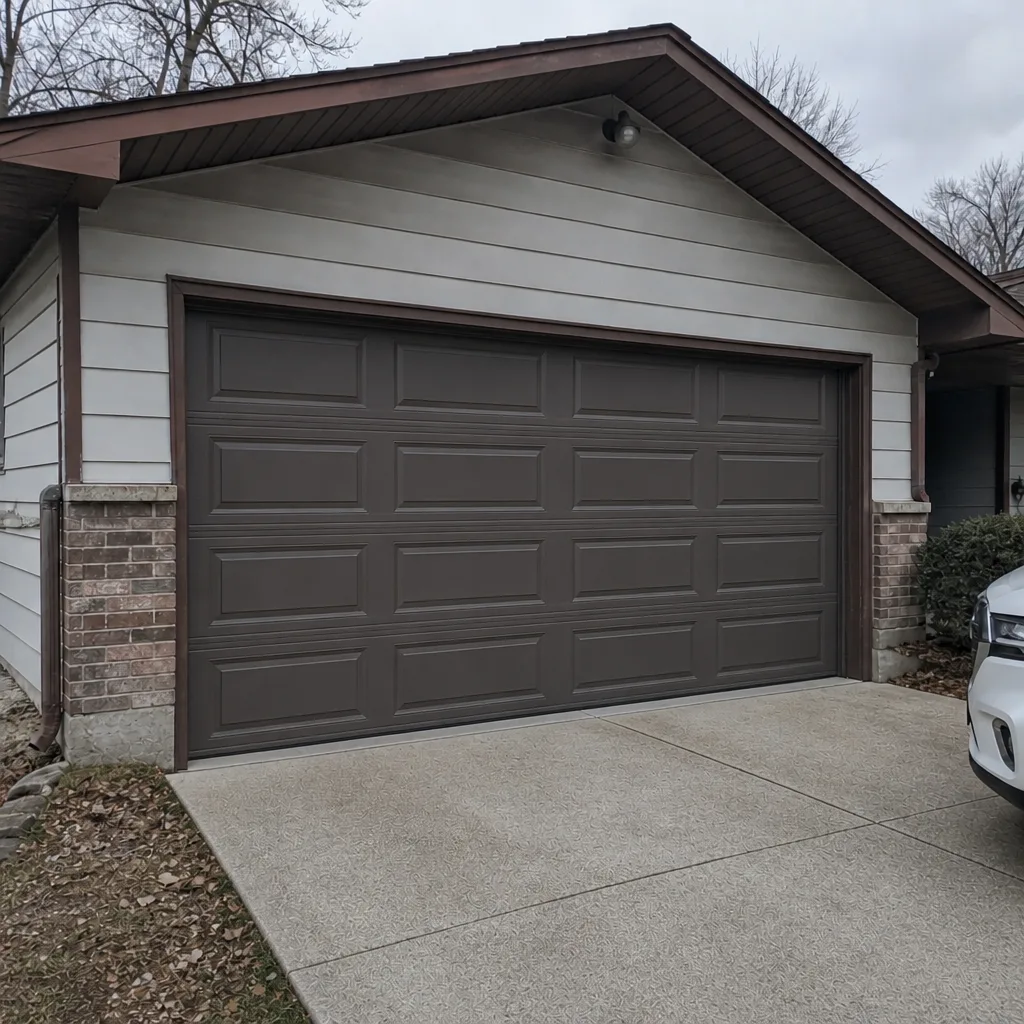
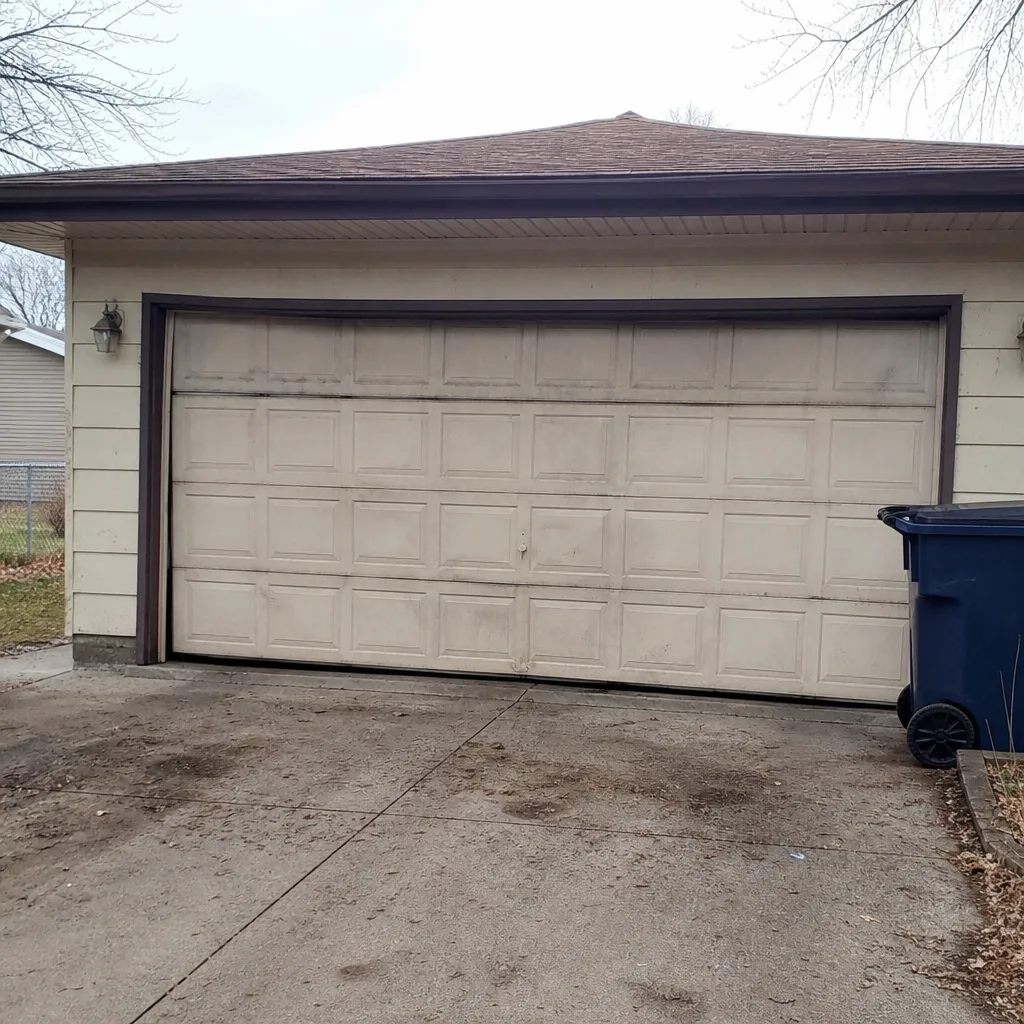
See the difference
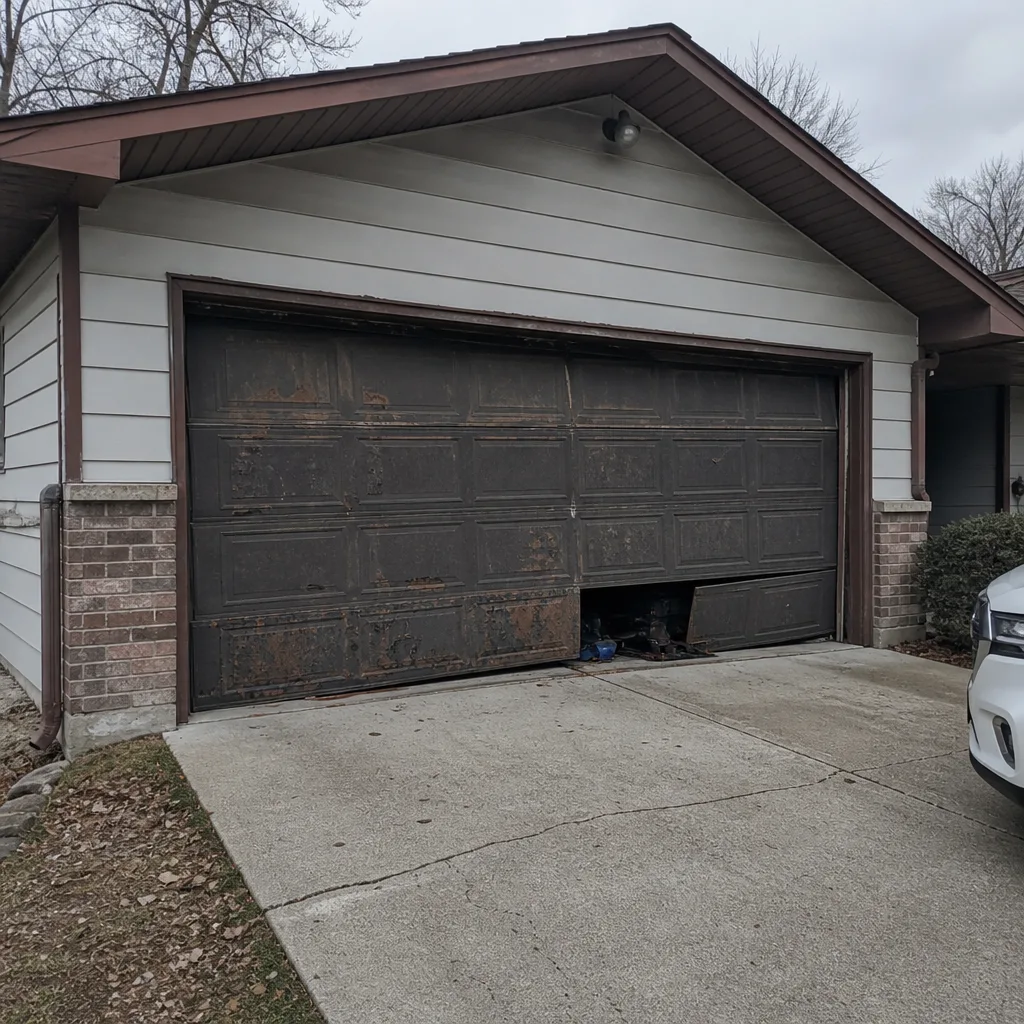 Before
 After
 Before
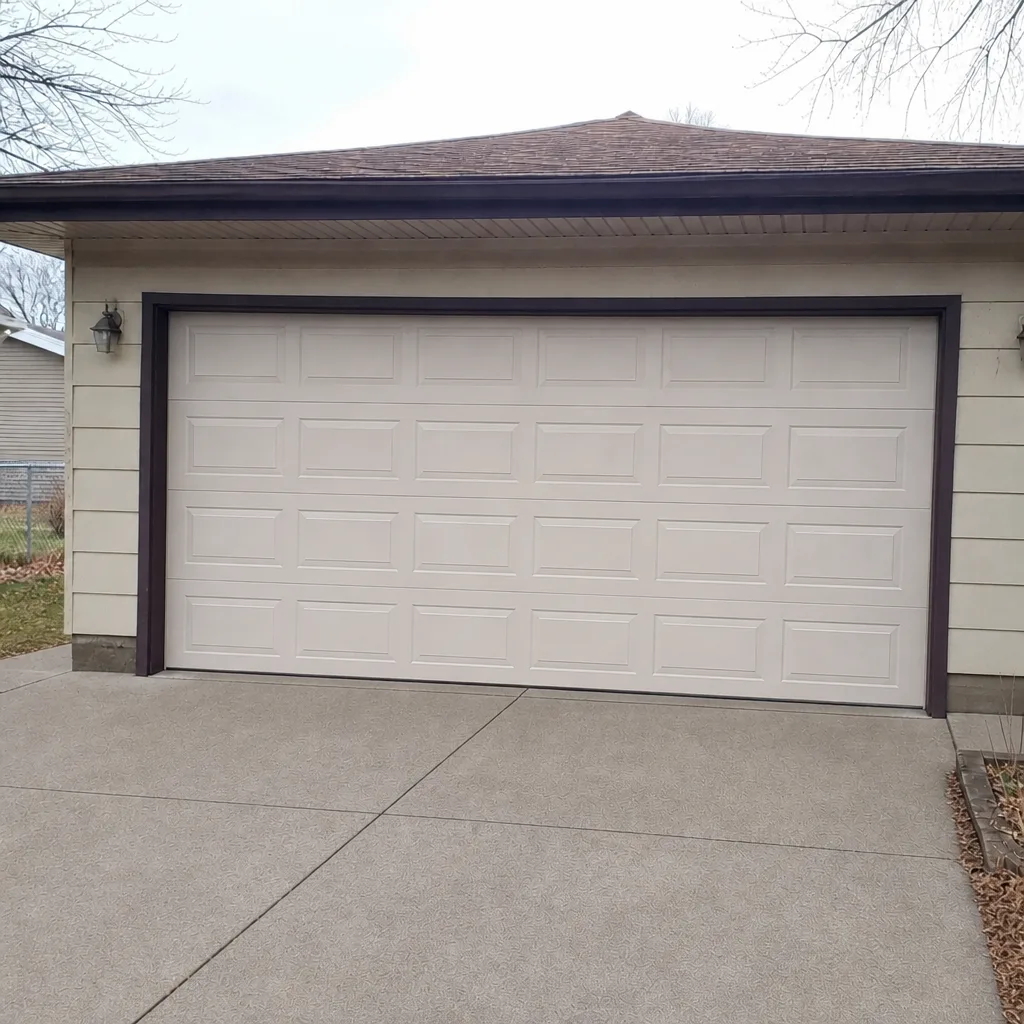 After
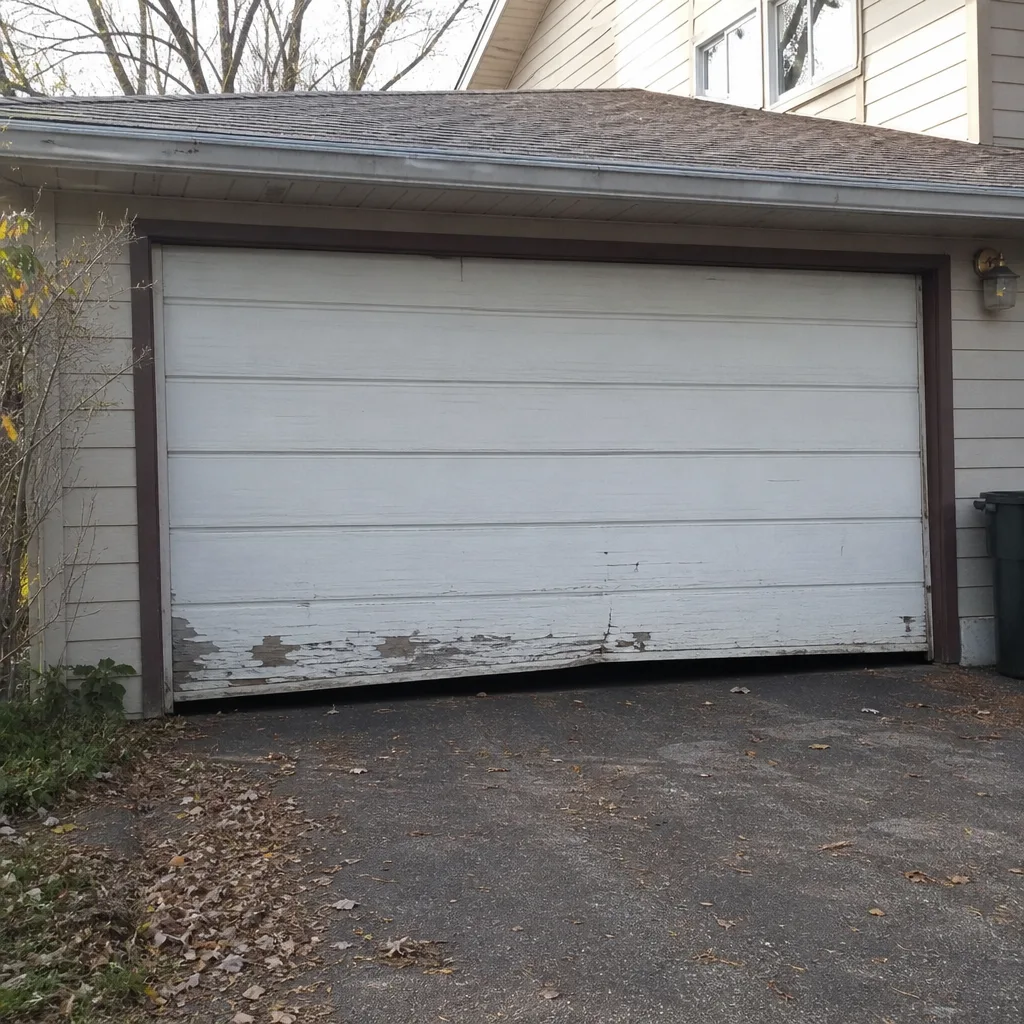 Before
 After
When to Call a Professional
Some jobs are seasonal maintenance. Some jobs need a trained technician, and trying to handle them yourself isn’t worth the risk. Call us if a spring breaks, sags, or shows visible gaps – springs are the most dangerous component in any garage door system and the most common failure we see in Burnsville. Call us if the door reverses for no obvious reason, won’t close fully, or comes off its track. Call us if the opener is laboring, hitting thermal cutoff repeatedly, or won’t respond at all. Call us after any impact with the door, even a slow one, since the frame and track can look fine and be misaligned underneath. And call us before winter if the walk-around turns up anything you’re unsure about – catching it in fall is easier than fixing it in January.
Burnsville Garage Door Repair Co offers free estimates in Burnsville. Call (855) 560-7429 to schedule a walk-around, a repair visit, or an emergency call. We work on the brand you already have, from LiftMaster, Chamberlain, and Genie openers to Clopay, Amarr, Wayne Dalton, Craftsman, and Raynor doors, and our technicians have up to 9 years of experience. Emergency service is a standard part of what we offer, not a premium tier – when a door fails and your car is stuck or your home is unsecured, we treat that as a problem worth solving today.
Frequently Asked Questions
Four times a year is the right cadence for a Burnsville home, once at each seasonal transition: before the first freeze, after the coldest stretch in mid-winter, at spring thaw, and before summer humidity peaks. Each season stresses different components, so a single “twice-a-year” schedule misses the failures that are actually common here. If you’d rather not keep the calendar yourself, a seasonal walk-around from a technician covers all four transitions. Call (855) 560-7429 to schedule one – estimates are free.
Cold contracts the metal and thickens the lubricant on your hinges, rollers, and bearings, and it also reduces the effective lift from the torsion springs. That combination adds up to more strain on the opener for the same result. If the door feels noticeably heavier than it did in fall, that’s a sign the springs have lost tension and a technician should check them. Call (855) 560-7429 for a free estimate on spring service.
No. Torsion springs are under extreme tension even when the door is closed, and amateur adjustment causes serious injuries every year. Springs are the most dangerous component in your garage door system, and this is the one part of seasonal maintenance that should never be a DIY job. Call a trained technician for any spring issue. Our technicians have up to 9 years of experience with spring repair, and estimates are free at (855) 560-7429.
Your opener is hitting its thermal cutoff. Openers have a built-in heat safety that shuts the motor down when it gets too hot, and a hot garage combined with a door that’s working against extra friction makes that more likely. If the door works fine in the evening but not in the afternoon, that’s the pattern. It usually means the opener is overworked and worth checking before it fails entirely. Call (855) 560-7429 for a free estimate on opener service.
Clean it off in spring before it has time to work into the metal. Wipe down hinges, rollers, springs, and the bottom fixture with a damp cloth, then reapply lubricant to the moving parts. Salt spray from winter roads accelerates corrosion on every metal component it touches, and Burnsville’s road treatment means your hardware is exposed to more of it than you’d think. If you’re seeing heavy rust or pitting, have a technician look before it spreads. Call (855) 560-7429 – estimates are free.
In most cases, yes. A seasonal walk-around visit catches the issues that can be fixed the same day: lubricant swaps, seal replacement, sensor alignment, track adjustment, and minor hardware work. Spring and opener replacements can often be scheduled quickly as well. We work on the brand you already have across LiftMaster, Chamberlain, Genie, Clopay, Amarr, Wayne Dalton, Craftsman, and Raynor systems, so the right parts are lined up for the system you own. Call (855) 560-7429 to book a visit.
The Bottom Line
A garage door in Burnsville doesn’t fail from a single season. It fails because each season does its own kind of damage, and the failure shows up later when the wear compounds. Fall prep prevents most winter breakdowns. Spring care undoes winter’s damage before it locks in. Summer attention catches the slow stuff – swelling wood, thinning paint, overworked openers – before it becomes fall’s emergency. The whole routine fits into four 15-minute walk-arounds a year, and the parts that are genuinely dangerous, springs above all, are the ones to leave to a trained technician. Get the walk-around on your calendar. Call (855) 560-7429 for a free estimate whenever something turns up.
Written by the team at Burnsville Garage Door Repair Co.