Last updated November 22, 2026
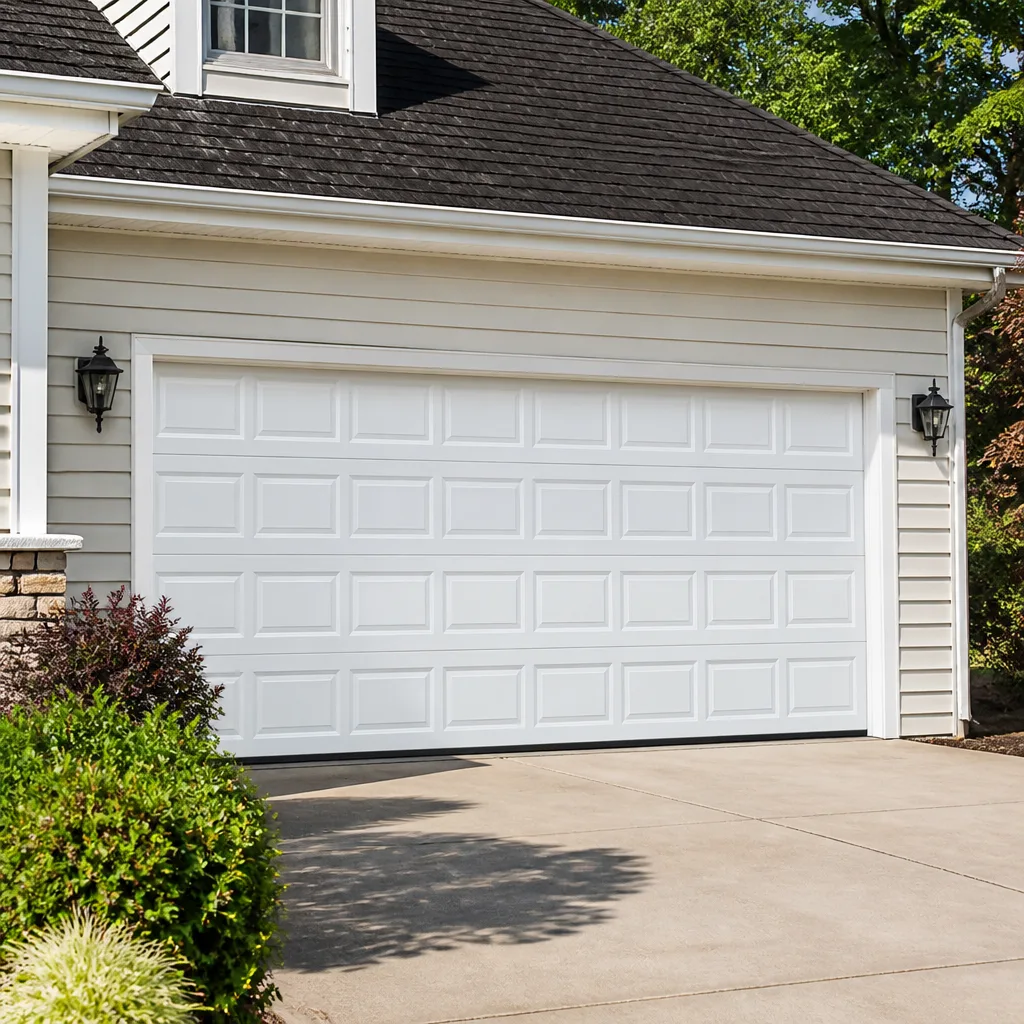 Raised-panel steel
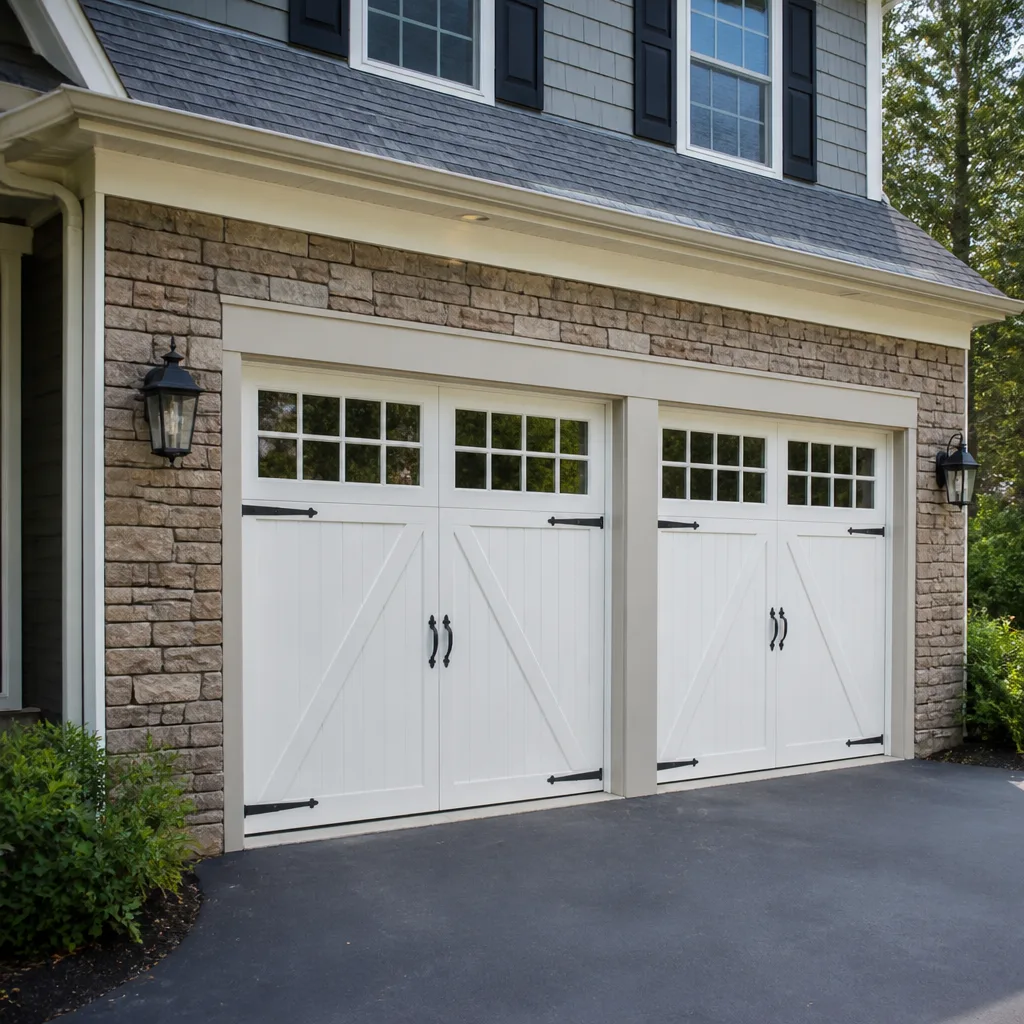 Carriage house
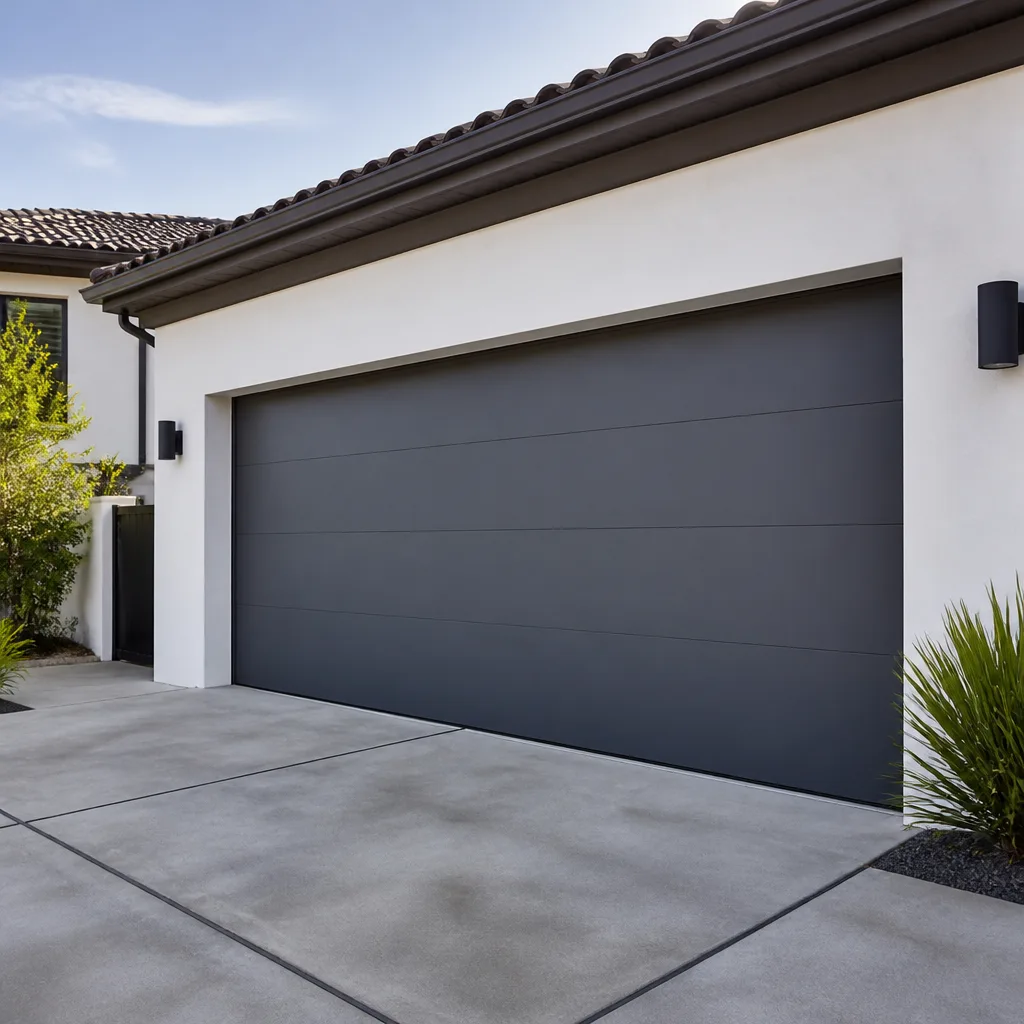 Modern flush
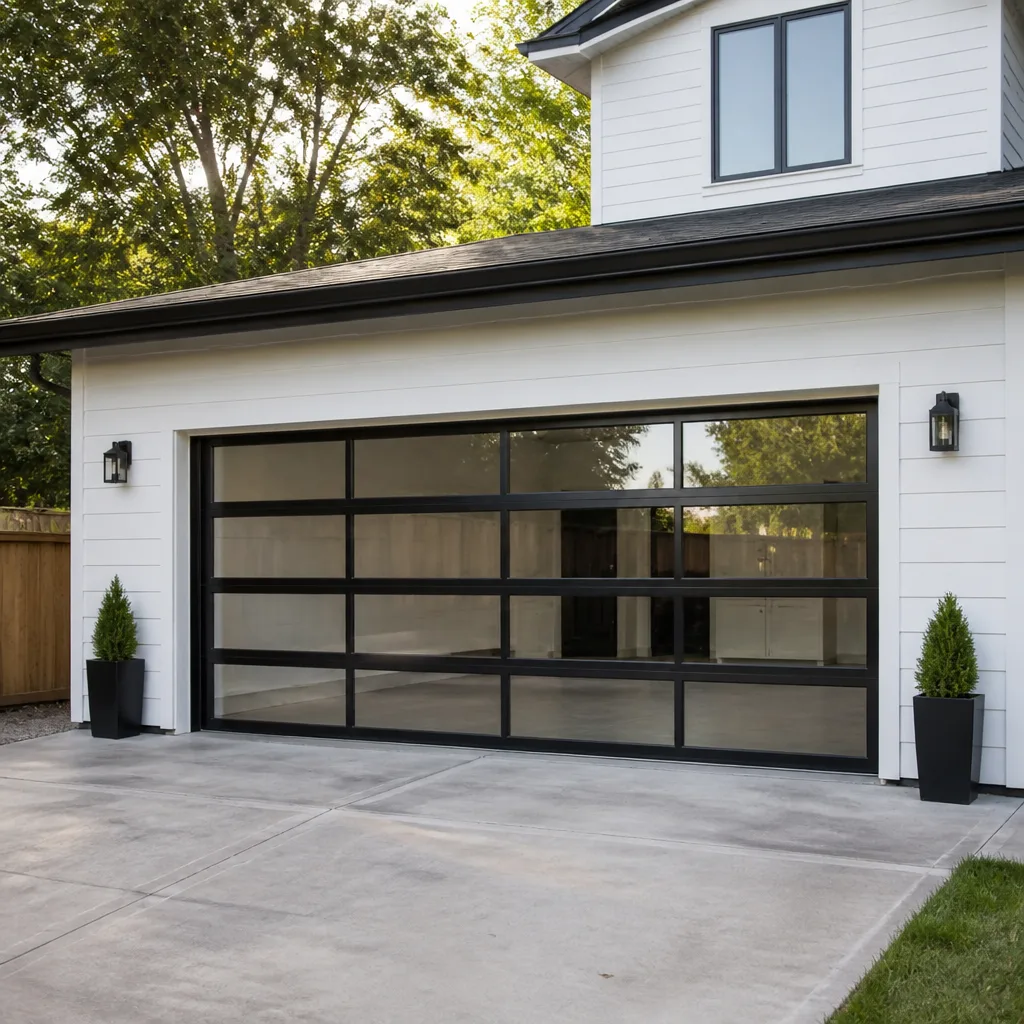 Full-view glass
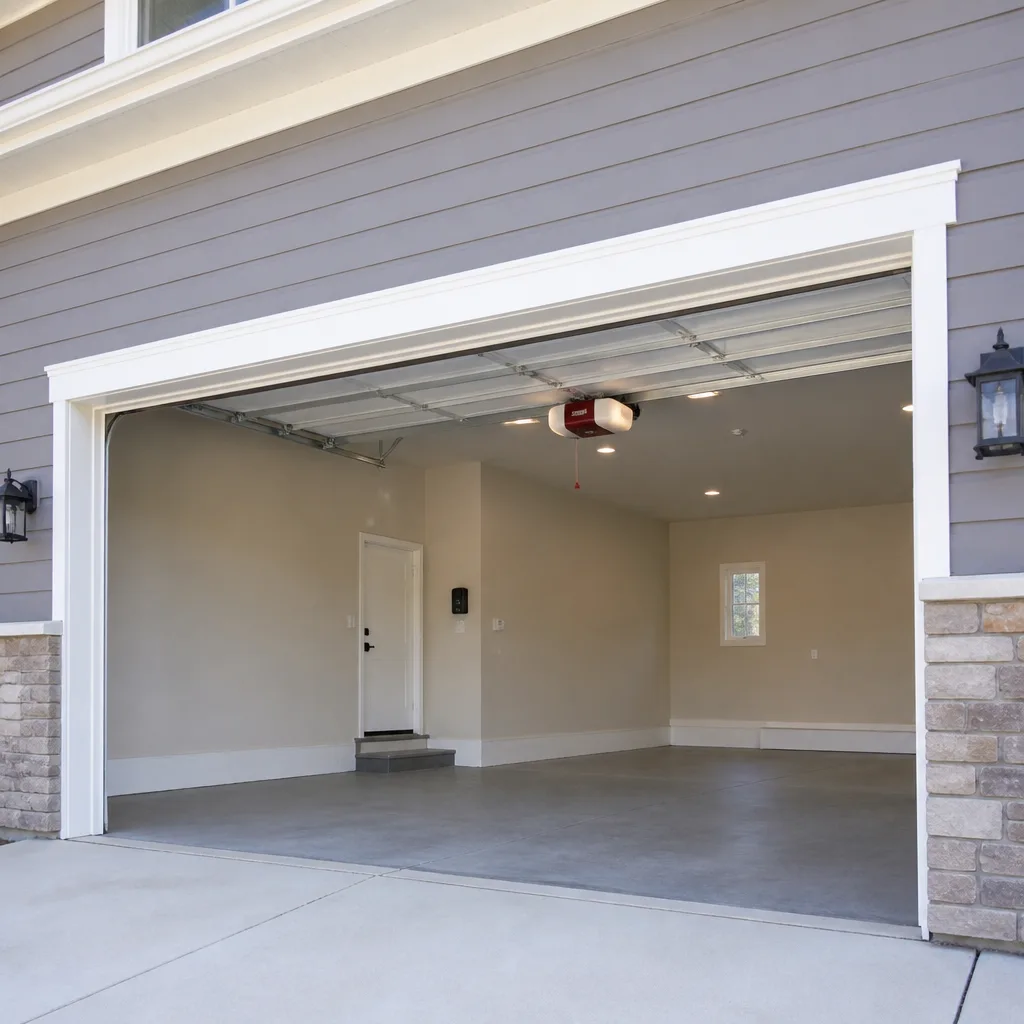 LiftMaster openers
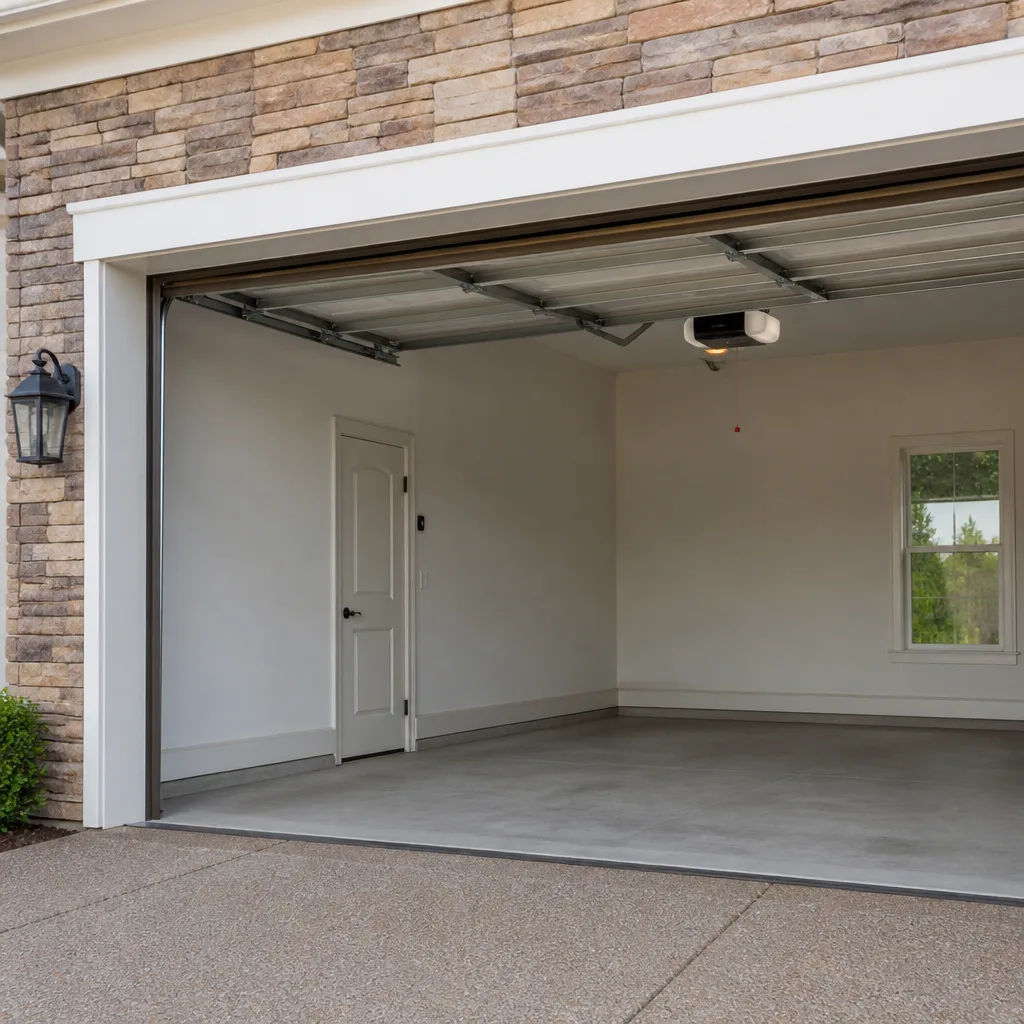 Chamberlain openers
Full 25-point door and opener safety check with every visit - springs, cables, rollers, tracks, and your LiftMaster or Chamberlain opener included
You get a price before we start. It does not change when the pro arrives.
Get your free estimateGarage Door Repair Troubleshooting in Burnsville: Common Problems and How to Fix Them
A technician showing up without knowing whether the issue is mechanical, electrical, or structural wastes your afternoon. The five minutes you spend diagnosing before you call saves an hour of back-and-forth, and often saves you a return visit once the right part is on order. Most garage door failures fall into a short list of root causes, and nearly all of them can be narrowed down from the ground with your eyes and ears. You won’t be fixing a torsion spring yourself, and you shouldn’t. What you can do is describe the problem precisely, which is the difference between a technician arriving with the right parts and a second trip scheduled for next week. This guide walks through what to check in Burnsville, what the symptoms mean, and where to stop.
Quick Answer
Most garage door problems in Burnsville come down to one of four root causes: a broken torsion or extension spring, a snapped or off-track cable, an opener that’s failed or lost its force settings, or weather-driven misalignment of the tracks, rollers, and bottom seal after a Minnesota freeze-thaw cycle. You can tell them apart by sound and sight without touching anything under tension: a loud bang with a door that won’t lift points to a spring, a door that lifts crooked points to a cable, and a door that hums or clicks without moving points to the opener. Springs and cables are the dangerous ones, so those get a call, not a wrench.
Styles & brands we work with
- Raised-panel steel
- Carriage house
- Modern flush
- Full-view glass
- LiftMaster openers
- Chamberlain openers
Table of Contents
- Spring vs. cable vs. opener failure: telling them apart safely
- Why a door that “works sometimes” is more urgent than one that won’t move
- The symptoms that separate a small part from a major component
- How Minnesota freeze-thaw affects seals, rollers, and tracks in Burnsville
- Opener troubleshooting you can safely do from the wall button
- The stop-here list: what not to touch
- Burnsville neighborhood notes and what we see most
- What repair work typically costs in Burnsville
Spring vs. cable vs. opener failure: telling them apart safely
This is the single most useful diagnosis you can make, because it determines who shows up and what they load into the vehicle. You can do all of it from a standing position, with the door closed and the opener disconnected. Don’t reach into the mechanism. Don’t try to lift a door by hand to “test” it if you suspect a spring. Visual and audible clues are enough.
Signs of a spring failure
- A loud bang from the garage, often reported as sounding like a gunshot or a car backfire. Torsion springs break with a sharp report because they release stored energy all at once.
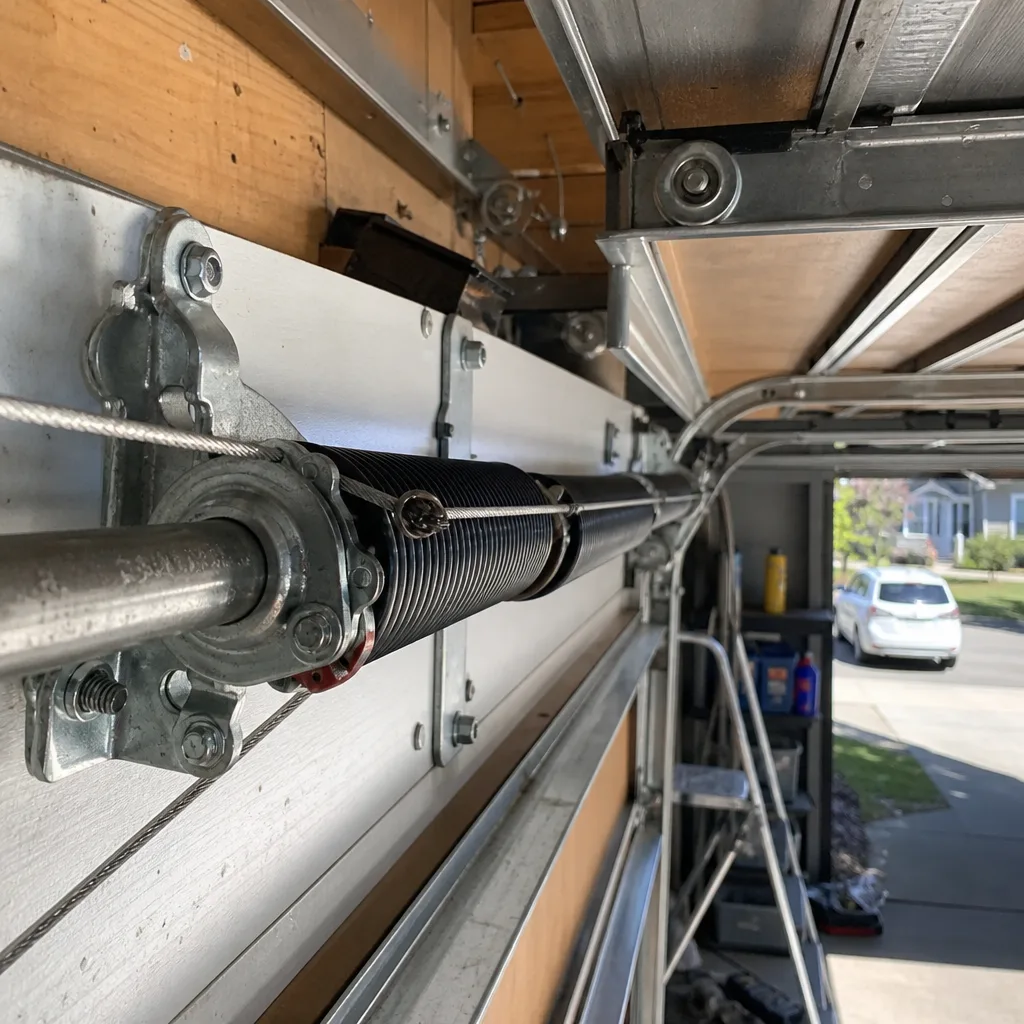
- A visible gap in the torsion spring above the door, usually a clean break in the coil. On extension springs, look for a stretched-out or dangling spring along the horizontal track.
- The door feels extremely heavy if you try to lift it by hand with the opener disengaged. A properly balanced door lifts with light, steady pressure.
- The opener strains or the door won’t lift more than a few inches before the motor gives up or the door sags back down.
Signs of a cable failure
- The door lifts crooked, with one side higher than the other, or hangs at an angle.
- A cable is visibly off its drum at the top of the door, or hanging slack along one side.
- Frayed wire strands near the bottom bracket or the drum. Frayed cable means it’s about to go, and it’s a safety issue even before it fails.
- The door jams partway up and won’t travel further, even with the opener pushing.
Signs of an opener failure
- The motor hums or clicks but the door doesn’t move. That usually means the opener is trying to run but the door is stuck, or the gear and sprocket inside the unit have worn.
- Nothing happens at all when you press the wall button, but the door moves fine by hand.
- The lights flash and the door reverses immediately, which points to a safety sensor issue rather than the motor itself.
- The remote works but the wall button doesn’t, or vice versa. That’s a wiring or logic board issue, not a mechanical one.
If you’re seeing spring or cable symptoms, that’s a job for a trained technician. Our garage door spring repair work is a core specialty for exactly this reason: springs are the highest-risk component in the whole system, and a misjudged repair can injure someone badly. If the symptoms point to the motor, sensors, or logic board, that’s garage door opener repair, and it’s a different kind of visit.
Why a door that “works sometimes” is more urgent than one that won’t move
A door that’s completely dead is inconvenient, but it’s predictable. You know it’s broken, you park outside, you call. A door that opens fine nine times out of ten and then stops halfway on the tenth is the one that worries us, because intermittent failures usually mean a component is on the edge of letting go while the door is in motion, and a door in motion carries a lot of weight.
Intermittent failure has a handful of common causes, and most are findable without special tools:
- Safety sensors that are dirty or misaligned. The two small lenses near the floor at each side of the opening need to see each other. Dust, cobwebs, a bumped bracket, or low morning sun hitting one lens can all cause a door to reverse or refuse to close. Wipe both lenses with a dry cloth and check that the indicator lights on each sensor are solid, not flickering.
- A logic board that’s failing. Modern openers from LiftMaster and Chamberlain have circuit boards that can develop solder cracks or heat damage after years of use. The symptom is often a door that works cold but fails after the unit has run a few cycles.
- Loose or corroded wiring at the wall button or sensors. Minnesota humidity swings work on low-voltage wire connections. A push-on terminal that’s worked loose will cause a door to behave erratically.
- Rollers binding in the track. A single seized steel roller can cause the opener to stall, reverse, or trigger the force limiter only on certain cycles. This is a mechanical issue that gets blamed on the opener more often than any other.
- Force and travel limits set at the edge. If an opener’s force setting is right at the threshold, the door will pass most cycles and fail on the ones where temperature, friction, or a small obstruction pushes it over. Recalibrating is straightforward, but finding the setting that works in January and July takes some patience.
Intermittent problems also tend to get worse quickly. A sensor that’s dirty today is a sensor that fails in the rain tomorrow. A roller that binds occasionally becomes a roller that snaps its stem next month. We treat “sometimes” calls with the same urgency as total failures, because the repair is usually smaller now than it will be later.
The symptoms that separate a small part from a major component
Homeowners ask us all the time whether a problem is going to be a minor fix or a big one. The honest answer is that symptom location tells you most of it. Here’s how the common symptoms sort by likely cost tier in the Burnsville market.
Usually a small part (under $100 in parts)
- Door reverses immediately after touching the floor. Usually a travel limit adjustment or a sensor lens issue.
- Remote works from close range only. Usually a battery, or a remote that needs to be re-paired to the opener.
- One roller is noisy or grinding. A single roller replacement, often done alongside the others.
- Bottom seal is torn, cracked, or missing chunks. A rubber seal replacement, which is one of the most common Minnesota repairs.
- Safety sensor light is out on one side. Usually a misalignment, a dirty lens, or a wire that needs re-seating.
Usually a mid-range component ($150 to $400 in parts and labor)
- Broken torsion spring (single). A single spring replacement. A matched pair is usually replaced together, so a pair runs roughly twice that.
- Broken extension spring. Similar tier, different mechanism.
- Snapped or frayed cable. Cable replacement on one or both sides.
- Opener gear and sprocket worn out. A rebuild kit is often enough, depending on the model.
- Bent track section. A single section replacement and realignment.
- Logic board failure. Board replacement, model-dependent.
Points toward replacement rather than repair
- Multiple springs, cables, and rollers failing in the same season. That’s a door at the end of its service life, and repairs start adding up past the value of the panels.
- Severely rusted or rotted bottom sections. Once the bottom panel is compromised, water and pests get in.
- A door that’s been hit by a vehicle. Panel damage on a modern insulated door often isn’t repairable at the panel level.
- An opener more than 15 years old with a failed board. Older units from brands that no longer support replacement boards are a tough call.
- Repeated track realignment after the same impact. A bent track that won’t stay true is a structural issue with the door frame, not the track.
None of these are hard rules, and a technician on-site will always confirm before anything starts. What matters is that you have a realistic sense of the possible range before the estimate conversation, so nothing feels like a surprise. Our garage door repair visits start with a diagnosis and a written quote, and no work begins until you’ve agreed to it.
How Minnesota freeze-thaw affects seals, rollers, and tracks in Burnsville
Burnsville sits in a climate that cycles above and below freezing repeatedly through late fall, winter, and early spring. Every one of those cycles does something to a garage door, and the effects often look like opener problems when they’re actually weather-driven mechanical issues. If you live near the Minnesota River valley or in a neighborhood with heavy tree cover, you’ll see more of this than a home on a sunny south-facing slope.
Bottom seal damage
Water pools at the garage threshold during melts, then freezes overnight. That freeze grabs the rubber bottom seal and pulls at it as the door sits, and the seal cracks, hardens, or tears away in chunks. A torn bottom seal lets cold air and water into the garage, and it also changes how the door seats, which can trigger the opener’s force limiter. A door that closes fully in July and stops an inch short in January is often a seal problem, not an opener problem.
Roller binding
The steel or nylon rollers that carry the door up and down ride in steel tracks. When temperatures drop, the lubricant in a steel roller stiffens and the roller stops turning freely, so it skids along the track instead. You’ll hear a grinding or screeching as the door travels. If that goes on long enough, the roller stem wears and can snap, which drops the door on one side. This is more common in Burnsville after a stretch of single-digit nights than at any other time of year.
Track misalignment
Frost heave moves concrete, and it also moves the ground the door frame sits on. A track that was perfectly plumb in October can be a fraction out of true by February. A small misalignment shows up as the door rubbing on one side, or the opener laboring at a certain height. This is one of the most commonly misdiagnosed issues because the symptom shows up at the opener, not the track.
Panel and hinge stress
The contraction and expansion of steel and aluminum panels over a Minnesota winter is real, and it works on hinges, fasteners, and the panel seams themselves. A hinge that’s loosened after a cold snap will let the door rattle as it travels. Fasteners backing out of the bottom bracket are worth checking at the same time.
If you notice any of these in a Burnsville home, they’re worth a look before the next cold front. Catching a stiff roller or a misaligned track early keeps it from becoming a cable or spring problem down the road. Our technicians have up to 9 years of experience and see the full range of freeze-thaw symptoms every season.
Opener troubleshooting you can safely do from the wall button
The opener is the part of the system you can safely test from a standing position, and a few quick checks will tell you whether the issue is the opener itself or something the opener is reacting to. Work through these in order. If the door doesn’t move at any point, stop and call.
- Press the wall button. If the door moves normally, the motor is fine and the problem is in the remote or the signal. If the door doesn’t move, go to the next step.
- Watch the safety sensor indicators. Both sensors should have a solid light. A flickering or dead light on one side means a misalignment, a dirty lens, or a broken wire to that sensor. Clean the lenses with a dry cloth and check the brackets haven’t been knocked out of line.
- Pull the emergency release cord (usually a red handle) with the door fully closed, then lift the door by hand. A balanced door should lift with light, steady pressure. If it feels heavy or won’t stay partway up, the springs or cables are the issue, not the opener. Don’t force it.
- Reconnect the release and test travel. If the door moves by hand but not with the opener, the opener’s gear, sprocket, or logic board is the likely culprit.
- Check the force and travel limit settings if the door stops partway or reverses without obstruction. The manual for your model has the adjustment procedure, but if you’re not sure, leave it to a technician.
- Test the wall button connections if the door responds to the remote but not the wall button (or the reverse). Loose low-voltage wiring at the button is a common culprit.
- Unplug and reset the opener for 30 seconds if it seems unresponsive. Some logic boards reset their state after a power interruption.
If the opener is a LiftMaster or Chamberlain unit with app connectivity, check the app for an error code before you call. Those codes usually point to the exact sensor or board fault, and it saves time on the visit. We work on the brand you already have, including Craftsman and Raynor units that other contractors won’t touch. If you’d rather skip the diagnostics, that’s fine too. Call (855) 560-7429.
The stop-here list: what not to touch
We’re all for homeowners handling what’s safe to handle. Cleaning sensor lenses, replacing a remote battery, wiping down the bottom seal, and adjusting a travel limit are all reasonable. But there are parts of a garage door system where a mistake can put you in the hospital, and no DIY guide, video, or online tutorial changes that. Here’s the list, and we’d rather you stop earlier than later.
- Torsion springs. These are the coiled springs on the shaft above the door. They hold the full weight of the door under tension and store enough energy to cause serious injury in a fraction of a second. They’re the reason spring repair is a specialist job. Don’t try to unwind, remove, or adjust them yourself.
- Extension springs. The springs along the horizontal tracks. They fail violently when they go, and the safety cable that should contain them is often missing or rusted on older doors. Leave these to a technician too.
- Cables and drums. The cables run from the bottom brackets up to drums at the top of the door, and the drums hold the cable under high tension. Releasing a cable with a drum wound the wrong way is a genuine hazard.
- Bottom brackets. The brackets at the base of the door carry cable tension. A common injury happens when a homeowner loosens a bottom bracket bolt thinking it’s a mounting screw. Don’t.
- Any live electrical work at the opener. Wiring a new opener to a wall circuit, replacing a logic board, or chasing a short in the wall button circuit is a job for someone trained in it. Turn the circuit off and call.
- Bent track panels that carry spring tension. Straightening a track is sometimes safe, but if the track carries spring or cable tension, it isn’t. If you’re not sure which type of track you’re looking at, treat it as the dangerous kind.
There’s no shame in stopping at any of these. The right call for the spring and cable side of the system is a specialist, and that’s a call worth making early. If you’re not sure whether what you’re looking at is on the safe list or the stop list, call us and describe it. We’ll tell you straight.
Burnsville neighborhood notes and what we see most
Burnsville is a big city with a range of housing stock, and the garage door symptoms vary a surprising amount by neighborhood. A few notes on what we see most, organized by the parts of town we get called to.
Homes near the Minnesota River and in the river valley
Properties closer to the river see more ground moisture and more freeze-thaw movement at the slab level. Track misalignment and bottom seal damage are more common here than in the higher parts of the city. If a door that was fine in the fall starts rubbing in the spring, this is usually the reason.
West Burnsville and the neighborhoods near Nicollet Avenue
Older homes here often have original extension-spring doors with 25-plus years of service. The springs stretch, the cables rust at the anchor points, and the opener is often a Craftsman chain-drive unit that’s been running since the door was new. When a door of this age starts failing, the honest conversation is often repair vs. replace, and we’ll be straight with you about it.
East Burnsville and neighborhoods off Cedar Avenue
Newer construction here typically has insulated steel doors with torsion springs and belt-drive openers. These are generally reliable. When something fails, it’s usually a logic board, a sensor, or a spring that’s reached its cycle count. We see a lot of LiftMaster and Chamberlain units in this part of town, and the diagnostics are quick because the parts are common.
North Burnsville and homes near the Burnsville Center area
Townhome and attached-garage properties have their own patterns: shared walls mean a noisy door is more noticeable, and the door itself is often narrower with a lower headroom clearance. Spring replacement on these takes a slightly different technique because of the headroom, and we see more Raynor and Clopay doors here than in other parts of the city.
Wherever you are in Burnsville, the diagnosis process is the same. The neighborhood just tells us what to expect before we arrive.
What repair work typically costs in Burnsville
Here’s how the most common repairs sort by typical cost. These are estimates for the Burnsville market, and the written quote you receive on-site is the price. Nothing starts until you’ve agreed to it.
| Repair | Typical range |
|---|---|
| Torsion spring replacement (single spring) | $180 to $340 |
| Torsion spring replacement (matched pair) | Roughly twice the single-spring range |
| Extension spring replacement (single) | $150 to $300 |
| Cable replacement (one side) | $150 to $280 |
| Roller replacement (full set) | $120 to $220 |
| Bottom seal replacement | $120 to $250 |
| Safety sensor replacement (pair) | $120 to $200 |
| Opener gear and sprocket rebuild | $150 to $280 |
| Logic board replacement | $180 to $350 |
| Single track section replacement | $180 to $320 |
Two things drive the range within each line: the door’s size and weight, and whether the job is a single component or part of a broader repair. A spring replacement on a single-car door is on the lower end. A matched pair on a double door is on the higher end. Full new door installation is a separate project with its own pricing, and that’s a measured and scheduled visit, not a same-day repair. We don’t promise same-day on installation work because the door has to be ordered to your opening.
If the estimate conversation sounds like the biggest range you’ve seen, ask why. A technician should be able to explain what’s in the price. If they can’t, that’s a red flag. Our estimates are free and written.
Common Mistakes to Avoid
- Trying to “help” a door that’s stuck by force. If the spring or cable has failed, the opener is the only thing holding the door up. Pushing it, pulling it, or cycling it repeatedly can let it come down hard and damage the panels or the opener. Stop and call instead.
- Ignoring a bang from the garage. That bang is a spring breaking. The door will usually still open once or twice after that because the opener is fighting a door that’s now much heavier than it’s rated for. Every cycle wears the opener gear. Call before it eats the motor too.
- Adjusting the travel limits without adjusting the force settings. The two work together. Changing one without the other is how a door starts reversing on the bottom seal in the winter. Recalibrate both, or leave it to a technician.
- Replacing the opener when the door is the problem. This is the most expensive mistake we see. A door that binds, sags, or doesn’t balance will wear out a new opener just as fast as the old one. Fix the door first.
- Skipping the bottom seal through a Minnesota winter. A torn seal lets meltwater into the garage and stresses the door’s closing cycle. In Burnsville, a seal that’s lasted two winters is already due for inspection.
- Buying a new remote without checking the opener model. Openers from different brands, and different generations of the same brand, use incompatible frequencies. A remote that won’t pair isn’t broken, it’s just the wrong one. The model number is on the opener housing or inside the light cover.
- Assuming a newer door means fewer problems. New doors have their own service needs, especially the first full winter after installation. The bottom seal breaks in, the track settles, and the opener needs a fresh force calibration once the door has been through a full freeze-thaw cycle.
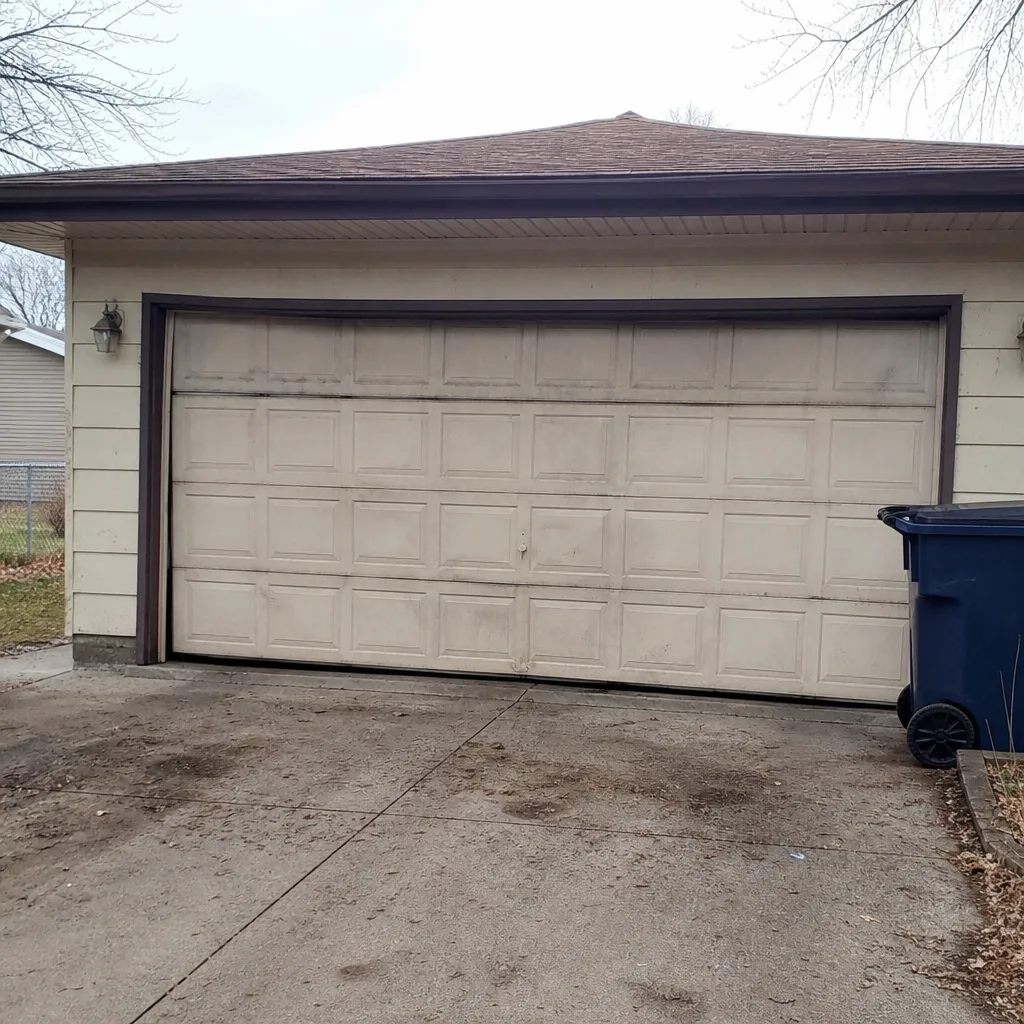
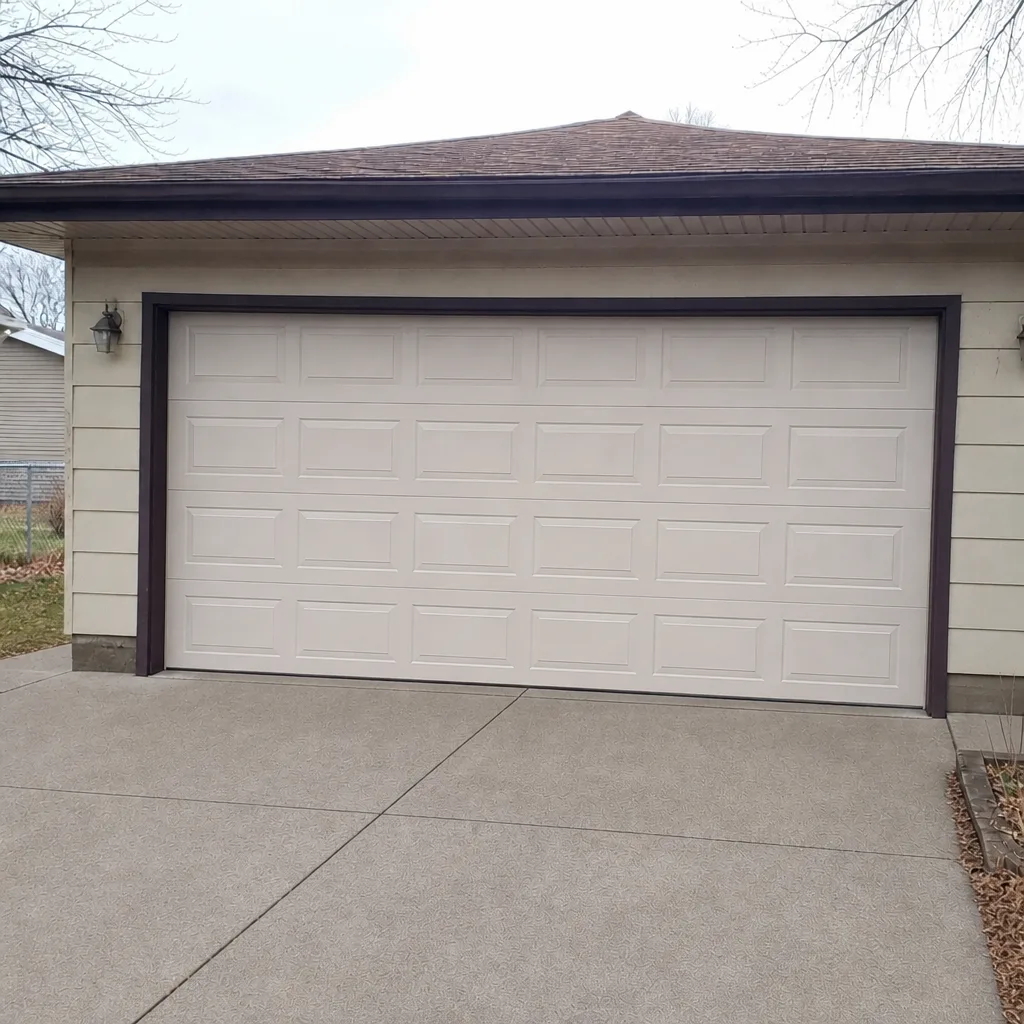
See the difference
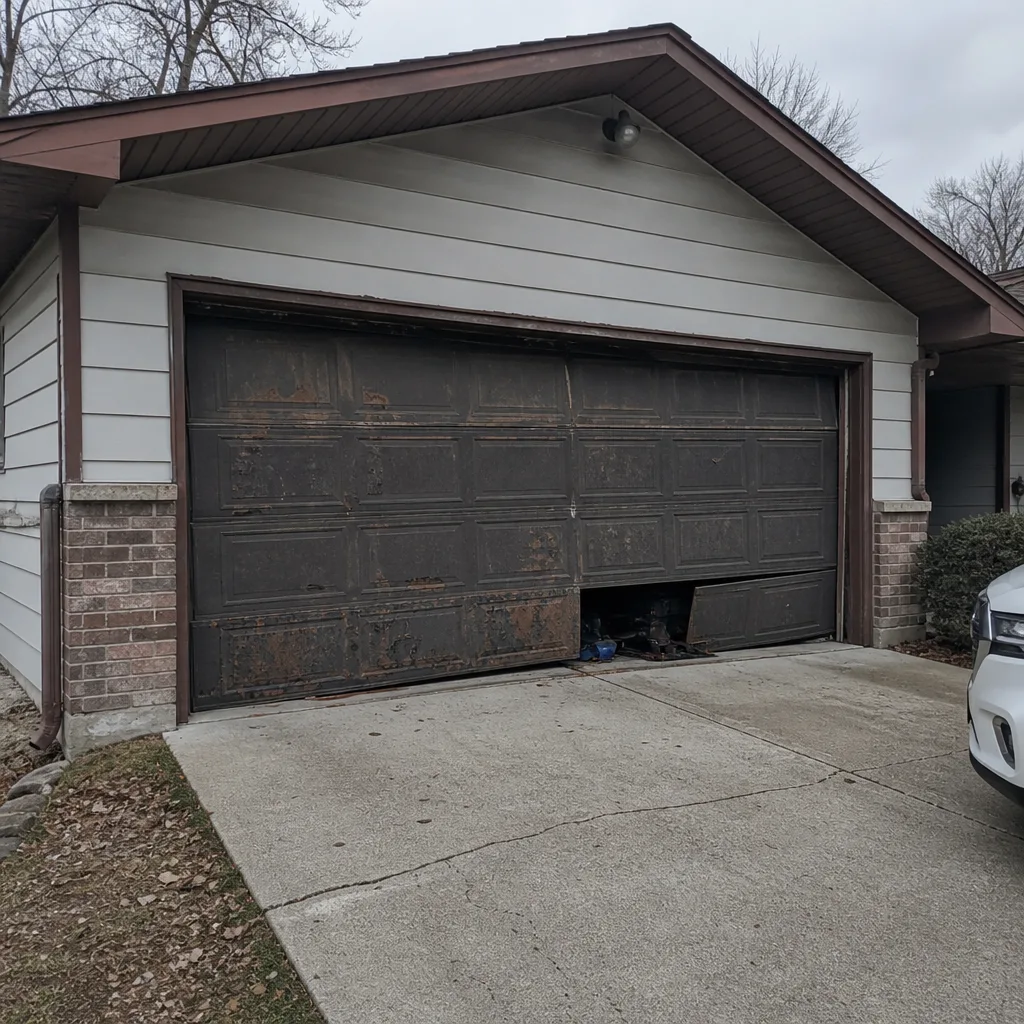 Before
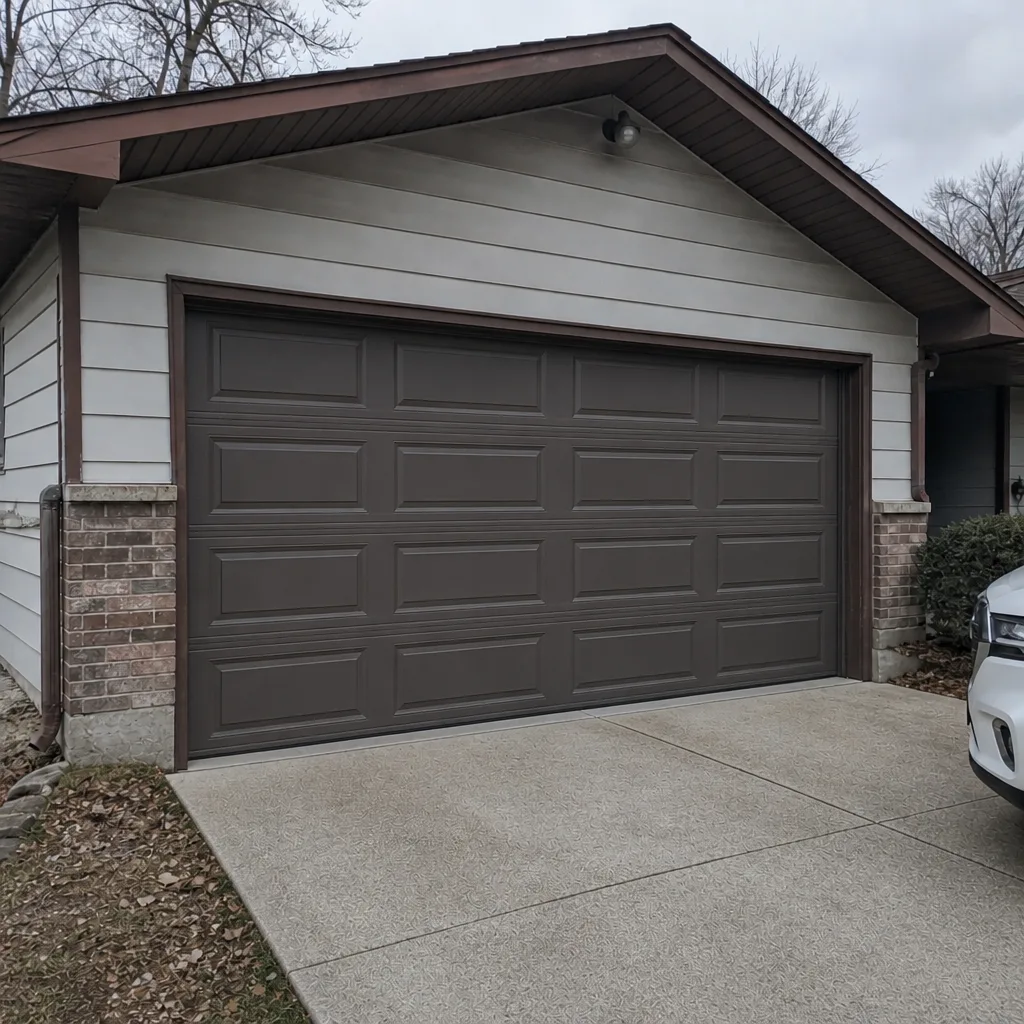 After
 Before
 After
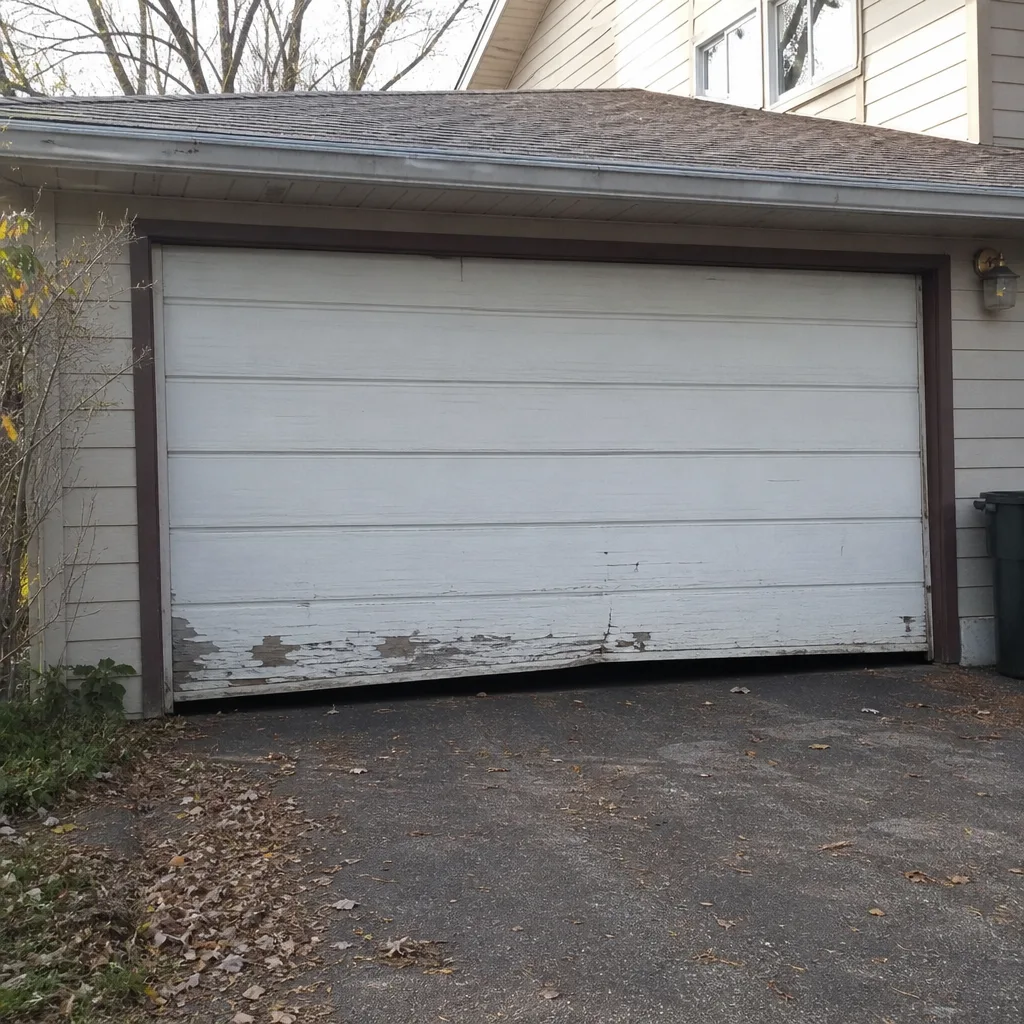 Before
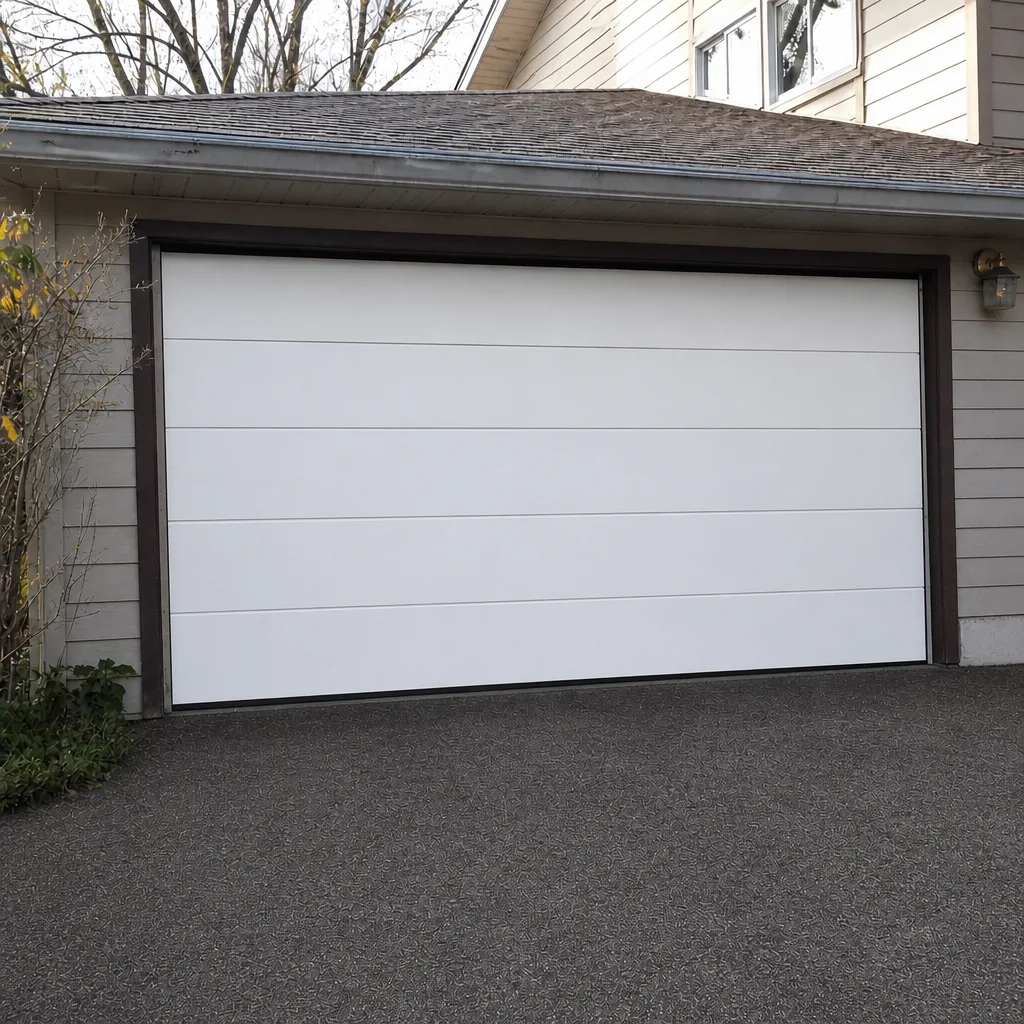 After
When to Call a Professional
Call a professional the moment you see or hear any of the following: a spring is visibly broken, a cable is frayed or off its drum, the door lifts crooked or hangs at an angle, a bottom bracket is loose, the opener runs but the door doesn’t, or the door comes down hard. Those are the symptoms that put a homeowner at risk if they keep going. Also call if you’ve been through the safe checks above and the door still won’t behave; that’s the point where a trained eye saves time. Burnsville Garage Door Repair Co offers free estimates in Burnsville and works with the brand you already have, from LiftMaster and Chamberlain openers to Clopay, Amarr, Wayne Dalton, Craftsman, Raynor, and Genie doors and equipment. Emergency service is part of our standard lineup, not a premium tier, so a door that fails is a call, not a wait. Call (855) 560-7429.
Frequently Asked Questions
A broken spring is usually obvious from sound and sight: a loud bang from the garage, a visible gap in the coil above the door, or a door that feels extremely heavy when you lift it by hand. If you hear the bang and the door won’t lift, stop cycling the opener. Call (855) 560-7429 and we’ll get a technician out to confirm and replace it safely.
Yes, for stuck doors, broken springs, and openers that won’t respond, emergency garage door repair is part of our standard service. Give us a call at (855) 560-7429, describe what the door is doing, and we’ll tell you what to expect. Same-day availability depends on the day and the time you call, but we treat a stuck door as urgent, not as a scheduling problem.
No. We quote the price and agree it with you before any work starts, so the written estimate is the number that shows up on the invoice. If a technician finds a second issue while working, they’ll explain it and give you a separate written price for that work before doing anything. You always have the option to say no and pay only for the agreed repair.
Minnesota freeze-thaw cycles affect three things that look like opener failures: the bottom seal stiffens and tears, the rollers bind and skid, and the tracks shift slightly as the ground moves. Any of those can trigger the opener’s force limiter and cause the door to reverse, stop, or refuse to close. A technician can usually pinpoint which one it is in a single visit.
No. Torsion and extension springs hold the full weight of the door under tension, and they can release that energy in an instant. Every year, homeowners are seriously injured trying to replace or adjust them. Spring repair is a specialist job, and it’s exactly the kind of work we want you to call in for. Call (855) 560-7429 for a free estimate.
In most cases, yes. We work on LiftMaster, Chamberlain, Genie, Clopay, Amarr, Wayne Dalton, Craftsman, and Raynor equipment, covering both legacy chain-drive units and app-connected smart openers. If you’re not sure what you have, the model number is usually printed inside the light cover or on the back of the opener housing. Tell us what it says when you call.
Sudden noise is almost always mechanical: a worn roller, a loose hinge, or a track that’s out of alignment. In Burnsville, it often shows up after a cold snap when the roller lubricant stiffens. A quick inspection usually identifies the source, and it’s often a small fix rather than a major one. Call (855) 560-7429 to have it looked at before a small noise becomes a snapped part.
The Bottom Line
Most garage door failures are diagnosable from the ground before a technician arrives, and the diagnosis is what makes the repair go quickly. Springs sound like a bang and leave the door heavy. Cables leave the door crooked. Openers hum without moving. Freeze-thaw in Burnsville shows up as seals, rollers, and tracks that fail in ways that masquerade as motor problems, and the symptoms get worse fast once they start. A door that “works sometimes” gets treated with as much urgency as one that doesn’t move at all. Anything on the stop-here list is a call, not a project, and the price you’re quoted is the price you pay.
If you’re looking at a door that’s misbehaving, we’re happy to help. Burnsville Garage Door Repair Co is a garage door specialist, not a generalist, and we’ve built our service around the parts and brands real Burnsville homes actually use. Call (855) 560-7429 for a free estimate. We’ll diagnose it, quote it in writing, and get the door working before we leave.
Written by the team at Burnsville Garage Door Repair Co.